8 Best Dog DNA Test Kits for 2026
Wondering which 8 dog DNA test kits for 2026 reveal the most about your pup’s health, breed, and secrets?



Wondering which 8 dog DNA test kits for 2026 reveal the most about your pup’s health, breed, and secrets?

Your dog isn’t being stubborn when it stops to sniff every curb, patch of grass, and sidewalk crack. It’s gathering a full image of the world, one scent at a time. Each smell can tell your dog who passed by, what they left behind, and whether the area feels familiar or new. Once you see sniffing as real work, the walk starts to make a lot more sense, and a few patterns might surprise you.

Just as you sit down after a long day, your dog might press against your leg, and that small move can mean more than you believe. Leaning often shows trust, comfort, or a quiet need for closeness, but it can also point to worry, pain, or a learned habit that gets attention fast. If you watch your dog’s body, eyes, and timing, you’ll start to see the real message, and the next clue could change how you answer.

Yes, your dog can eat Brussels sprouts in small, plain portions, and they can offer fiber, vitamin C, vitamin K, and antioxidants. Still, the way you serve them matters a lot. Cook them well, cut them small, and skip salt, butter, garlic, and onion. Next, you will want to know how much is safe, what side effects to watch for, and when this veggie should stay off the menu.

If your dog panics when thunder rolls in, you’re not alone and it isn’t just being dramatic. Loud rumbles, bright flashes, and the pressure changes before a storm can feel overwhelming to your dog’s sensitive body. The good news is you can spot warning signs early and help your dog feel safer with calm routines, cozy spaces, and a few helpful tools. Once you identify the triggers, the next steps become much clearer.

Most dogs can eat cauliflower, but many people overlook that how you serve it matters as much as the vegetable itself. If you want to give your dog a safe, healthy treat, you need to know the right amount, the best way to cook it, and when it can upset a sensitive stomach. That small choice can make snack time helpful or it can cause gas, digestive trouble, and a very unhappy pup.

Whenever your dog curls against you, leans into you, and settles on your lap, chest, or feet, they are telling you something simple and deep: you feel safe, you feel warm, and you feel like home. That habit can come from trust, comfort, and old pack instincts, but it can also mean your dog wants closeness whenever the world feels a little too big. What starts as sweet can shift into a daily sleep ritual, and that is where the story gets more interesting.
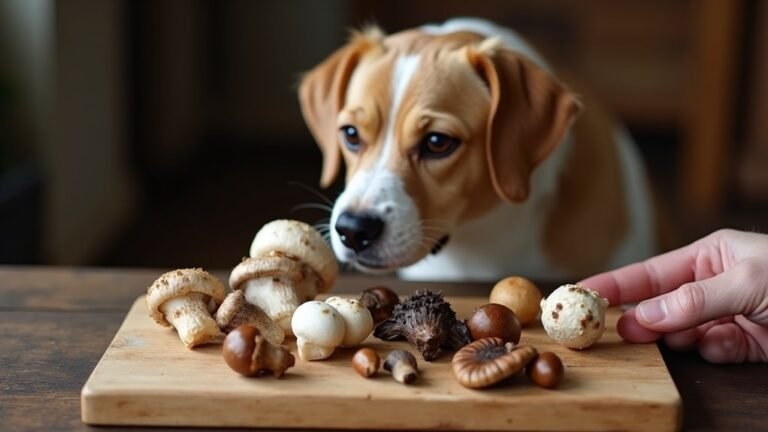
You want a safe snack, your dog wants a tasty bite, and mushrooms can be either simple or scary. Plain store bought mushrooms can be okay in tiny amounts, but wild ones can turn a calm day into an emergency fast. Before you toss a piece from your plate, you need to know which types are fine, which ones are risky, and what signs mean trouble.

Like a tiny detective with itchy clues, your dog could be telling you its ears are bothering it, and the reason is not always simple. You may be dealing with allergies, wax buildup, ear mites, or an infection deeper in the canal. Some dogs also have ear shapes that trap moisture and debris which makes problems more likely. If your dog keeps pawing, shaking, or rubbing, the next clue could matter more than you suppose.

If your dog’s eyes are watery it’s often nothing serious. Dust, wind, allergies, or small debris can cause extra tears, while infections or blocked tear ducts may be the reason. Because some eye problems need prompt care, learn which signs are harmless and which require attention—some clues can be subtle and surprising.