

staff

staff

Can Dogs Eat Kiwi? Nutrition Facts and Safety Tips

kiwi safe in moderation

About 60% of dogs over age five face weight related issues, so even a small snack can matter more than you’d suppose. Should you have ever questioned whether kiwi belongs in your dog’s bowl, the answer is yes, but only in careful amounts. This fruit can offer vitamin C, fiber, and moisture, yet the peel, seeds, and extra sugar can create trouble fast. Before you share a bite, it helps to know the safer way to do it.

Why Does My Dog Bury Food? Understanding the Instinct

instinctive resource caching behavior

If your dog keeps burying food, it’s not a random quirk but an ancient instinct to hide extra food from danger or rivals. At home this behavior can appear in bowls, under furniture, or in blankets. Does it signal hunger, stress, or something else? Look for clues in your dog’s environment and routine.

Can Dogs Eat Watermelon Rind? Risks and Safety Information

watermelon rind can harm

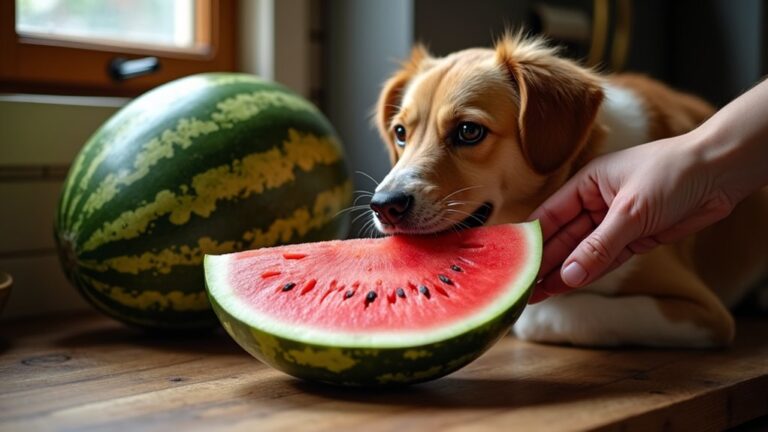
On a hot day, a red wedge of watermelon can look like pure dog joy, but the rind hiding under that sweet flesh is a different story. You may question whether it is harmless, yet it can upset your dog’s stomach, cause choking, or even block the gut. That is why the real answer matters, especially when your dog is a fast eater or a little too curious about picnic leftovers.

Why Does My Dog Growl at Me? Understanding the Reasons

dog growling signals discomfort

A growl is not your dog being mean but often a built in warning you might not notice at first. It can indicate fear, pain, stress, guarding, or simple discomfort with what’s happening nearby. Once you learn the body language clues and the triggers behind it, you can respond in ways that protect both of you and prevent a tense moment from escalating.

Why Do Dogs Dream? Understanding Canine Sleep Behavior

dogs replay daytime experiences

Like a midnight stage after the lights go out, your dog’s brain keeps working while the body rests. During REM sleep, brain activity rises, yet muscles stay mostly calm, so your dog can replay smells, sounds, and happy or tense moments from the day. That’s why you might see twitching paws, soft barks, or a quick tail wag. Puppies tend to dream more, and most sleep movements are normal, but some signs deserve a closer look.

Can Dogs Eat Popcorn? Benefits, Risks, and Serving Tips

plain unsalted air popped popcorn

Like a movie snack left too close to the edge, popcorn can seem harmless, but your dog’s bowl needs a closer look. You can give plain, air popped popcorn in tiny amounts, and it might add a little crunch and fiber, yet butter, salt, and flavorings can upset your dog’s stomach fast. The real risk hides in hard kernels and half popped pieces, which can choke or hurt teeth, so the safest serving depends on one simple detail.

Why Does My Dog Eat Dirt? Causes and Prevention Methods

dog eating dirt causes

If you think your dog eats dirt just because they’re being weird, reconsider. Dirt eating can indicate boredom, stress, nutritional gaps, or a health issue you shouldn’t ignore. Learn when it’s harmless, when it signals pica, and how simple changes like better meals, more activity, and yard fixes can help. The tricky part is that the real cause is not always the obvious one, and that’s where things start to matter.

Can Dogs Eat Honey? Benefits and Safety Considerations

honey safe in moderation

A tiny spoonful of honey can feel like a magical fix, but your dog’s body doesn’t treat sugar like a superhero cape. You can give plain, pasteurized honey to most healthy adult dogs in small, occasional amounts, and it might soothe a scratchy throat or offer a quick energy lift. Still, puppies, dogs with diabetes, obesity, or sensitive stomachs need extra caution, and raw honey can be risky for some dogs.

Why Does My Dog Have Red Eyes? Common Causes and Solutions

irritated canine eye causes

Your dog’s red eyes may seem minor at first but can also signal pain, infection, or injury. Causes range from simple irritants like dust, pollen, or a stray hair to more serious issues such as a scratched cornea, dry eye, or a foreign body that requires prompt care. Because some breeds have higher eye risks, it’s important to recognize which signs are mild, which are urgent, and what you can safely handle at home.

Can Dogs Eat Almonds? Risks and Safety Information

almonds generally unsafe for dogs

Can your dog crunch a few almonds, or could that innocent snack turn into trouble? Almonds are not highly toxic, but they can upset your dog’s stomach, trigger vomiting or diarrhea, and increase the risk of pancreatitis because they are high in fat. Whole nuts can also cause choking or intestinal blockage, especially in small or older dogs. If your dog has eaten almonds, the next few minutes matter more than you may think.