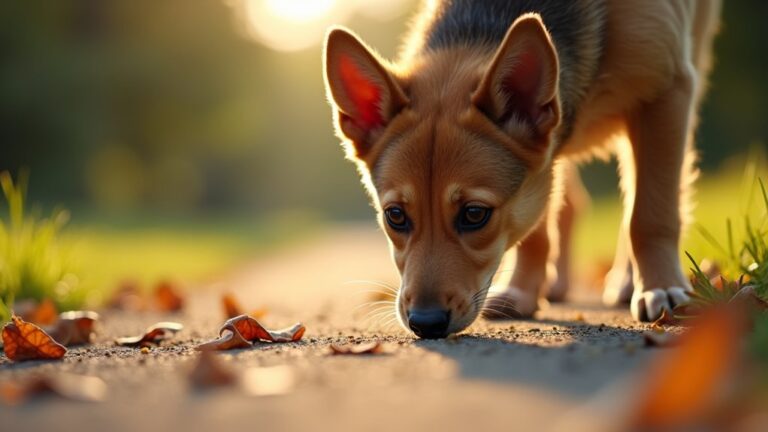

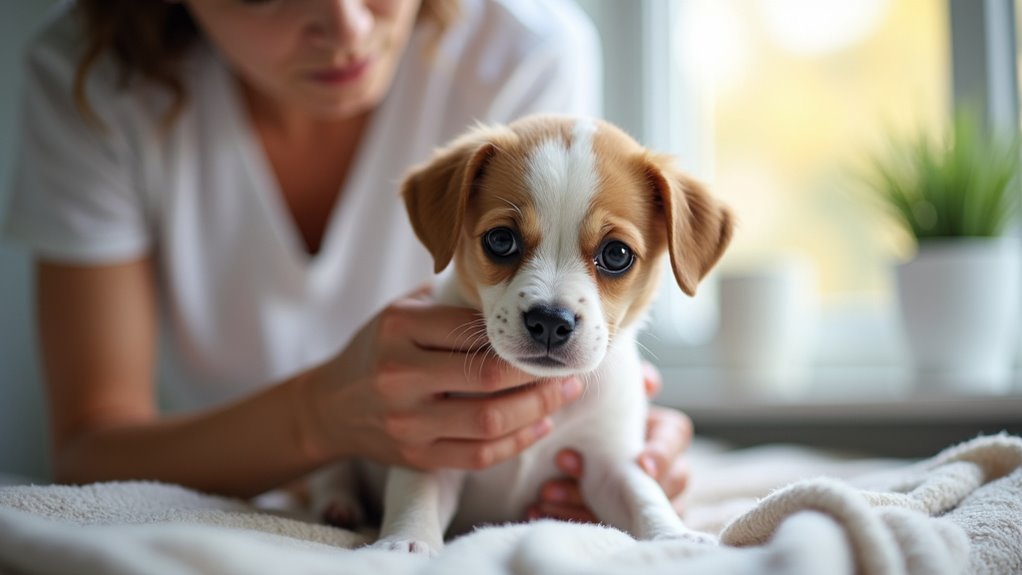

Watery eyes in dogs often come from simple irritants like dust, wind, or a small speck in the eye. Allergies, infections, blocked tear ducts, and certain breeds with shallow eye sockets can also cause excess tearing. Some conditions need prompt veterinary care, while others clear up with basic home care or minor treatment. Watch for changes in color, swelling, persistent discharge, or squinting to tell a mild issue from a serious one. This guide explains common causes, signs that require attention, and practical steps to help your dog feel better.
What Watery Eyes Mean in Dogs
At the time your dog’s eyes look watery, it usually means something is irritating the eye or blocking normal tear flow. You’re seeing tear signaling, which is your dog’s way of protecting the eye quickly.
An ocular reflex can kick in whenever dust, wind, or a small scratch bothers the surface. That extra moisture could also show up if tears can’t drain well, so they spill onto the fur instead.
You might notice clear wetness, mild squinting, or a little rubbing with a paw. Those signs can feel worrying, but they don’t always mean something serious.
Still, paying attention promptly helps you and your dog stay calm together. Should the tearing keep returning, you’ll want to look at what’s upsetting the eye and how it’s changing your dog’s comfort.
Why Dogs Get Watery Eyes
Your dog’s eyes can get watery whenever tears can’t drain the way they should, especially in case a tear duct gets blocked or a tiny opening closes up.
They can also water whenever dust, pollen, smoke, or a scratch on the eye irritates the surface.
Whenever you notice this, you’re often seeing your dog’s eyes trying to protect themselves, even in case the cause needs a closer look.
Tear Duct Blockages
When tears can’t drain the way they should, they spill over and leave your dog with a wet, messy face. You could notice this with tear duct blockages, and it can feel worrying, but you’re not alone. Often, the nasolacrimal ducts are narrowed or closed, and sometimes congenital stenosis is present from birth. In some dogs, scar tissue or a misplaced puncta also blocks flow. Your vet might suggest flushing the ducts or, in stubborn cases, a lacrimal bypass to restore drainage.
- You might see constant tear overflow.
- One eye can look wetter than the other.
- The fur could stay damp and stained.
With the right care, you can help your dog feel more comfortable and keep that face looking clean.
Eye Irritants
Sometimes watery eyes start with a blocked tear duct, but other times the trouble is right on the surface of the eye.
You might notice your dog blinking, rubbing, or squinting after pollen, dust, smoke, or wind hits those sensitive eyes. These ocular allergens and other tiny irritants can trigger the tear reflex, so extra tears wash over the eye fast.
Grass seeds, sand, eyelashes, or a bit of debris can do the same thing, especially after playtime outdoors.
Should the eye look red, painful, or keeps watering on one side, don’t wait and hope it fades. A gentle rinse could help, but stubborn irritation requires a vet. Quick care can ease discomfort and keep your pup feeling safe, seen, and comfortable.
Dust, Smoke, and Eye Irritants
Dust and smoke can make your dog’s eyes water, and you might also notice squinting, redness, or pawing at the face.
Should your dog have been near a dusty room, a fire, or cigarette smoke, the irritation can flare up fast and leave the eyes looking shiny and uncomfortable.
You can help through moving your dog away from the irritant, gently wiping the face, and keeping indoor air cleaner.
Dust Exposure Signs
Should your dog starts rubbing at the eyes after a walk or a day near a dusty road, that clear, watery trail is often the initial sign that something in the air is bothering them. You might also notice blinking, squinting, or a paw that keeps returning to the face.
Whenever dust particles land on the eye, they can cause ocular irritation fast.
- Your dog could blink more than usual.
- The eyes can look red or feel gritty.
- Tears might wash down the fur quickly.
Should the signs show up after yard work, sweeping, or a windy outing, you’re likely seeing a simple exposure issue. Still, provided the watering sticks around, you’ll want to watch closely because the eye might need a vet’s care.
Smoke Irritation Effects
As smoke drifts near your dog, it can sting the eyes just as fast as dust can. You could notice fast blinking, squinting, or clear tears as your dog reacts to airway irritation and particulate deposition. Smoke carries tiny particles that settle on the eye surface, and that’s enough to make the tears flow.
Should your dog already have sensitive eyes, the reaction can feel stronger and more upsetting. You may also see rubbing, redness, or a damp face after time near a fireplace, campfire, or heavy haze. These signs often mean the eyes are trying to wash away the irritant.
Once the air clears, your dog often feels better, but repeated exposure can keep the watering going and make the eyes look sore and uncomfortable.
Reducing Eye Irritants
Assuming your dog’s eyes keep watering, the initial step is to cut down on the things that keep irritating them. You can help your pup feel safer through sweeping dust often, keeping windows closed on windy days, and avoiding smoky rooms.
Next, use indoor airfilters to trap tiny particles that float around your home. Supposing your dog loves outdoor excursions, try pet goggles on breezy walks or near construction areas.
- Wipe your dog’s face with a clean, damp cloth after play.
- Wash bedding weekly so dust and pollen don’t build up.
- Choose low-dust litter, cleaners, and sprays around your home.
These small changes can calm sore eyes and make daily life more comfortable. Provided you protect your dog’s space, you’re helping your buddy breathe easier and rest easier too.
Dog Allergies That Cause Watery Eyes
Why do some dogs suddenly get watery eyes whenever pollen fills the air or dust kicks up around the house? You’re not alone, and your dog isn’t being dramatic. Allergies can make the eyes water as the body reacts to seasonal triggers like pollen, mold, and grass, plus indoor dust and smoke.
Food allergens can also play a part, especially should the tearing comes with itchy skin or ear trouble. You may notice clear, runny eyes after walks, during spring, or after a new diet.
Fortunately, allergy-related tearing often improves once you spot the trigger and reduce exposure. A vet can help you sort out the cause, ease the irritation, and help your dog feel comfortable again.
Signs of Eye Infections and Conjunctivitis
Not every watery eye is just from pollen or dust, and sometimes a red, sticky, or goopy eye points to infection instead. You might notice your dog blinking more, pawing at the face, or keeping one eye partly closed.
Look closely at redness patterns, because a bright pink lining or swelling can signal conjunctivitis. Also check discharge characteristics. Thin tears can turn thick, yellow, or green, and crust may build up around the lids.
- One eye often starts initially, then the other could follow.
- Your dog might seem tender upon touching the area.
- A mild odor can come with infected discharge.
If you spot these signs, you’re not alone, and your dog needs prompt care. Fast help can ease discomfort and keep the problem from spreading.
Blocked Tear Ducts in Dogs
At the point tears can’t drain the way they should, they spill over your dog’s face and leave you contemplating what’s going on. You’re likely seeing a blocked tear duct, also called epiphora, and it can make your pup look sad even when they’re fine.
Sometimes swelling, scarring, or congenital stenosis narrows the tiny drainage path, so tears back up instead of flowing into the nose. Your vet can flush the duct, check for debris, and look for pain or infection.
Should the blockage keep coming back, lacrimal surgery could help restore drainage. Until then, keep the area clean and gently dry the fur so skin stays comfortable. With care, you can help your dog feel better and keep those watery eyes from taking over daily life.
Breed Traits That Affect Tear Drainage
In case your dog has a flat face, you might notice tears spilling out more easily because the eyes sit in a shape that doesn’t drain well.
Narrow tear ducts can also slow the flow, so moisture builds up and runs onto the fur.
Even small eye shape differences can change how tears move, which is why some breeds seem to stay watery more often.
Flat-Faced Breeds
- Trim hair near the eyes carefully.
- Wipe the face with a soft, clean cloth.
- Watch for redness, squinting, or discomfort.
When you care for your pup this way, you’re helping them feel comfortable and included, not singled out.
Small daily habits can make life easier for both of you, and your dog can still look adorable without the constant drip.
Narrow Tear Ducts
Sometimes watery eyes aren’t caused due to an infection or a speck of dust, but through the way your dog’s face is built. Provided your pup has narrow tear ducts, tears can’t drain well, so they spill onto the fur instead.
This can happen with congenital stenosis, which means the tear passages were small from birth. You could notice wet cheeks, brown staining, or little tear tracks that keep coming back.
Don’t blame yourself; your dog isn’t being dramatic. A vet can check the tear openings and perhaps suggest nasolacrimal imaging to see where the flow gets stuck.
From there, treatment can focus on easing the blockage and keeping your dog more comfortable, so you both can get back to calmer, drier days.
Eye Shape Differences
Because a dog’s eye shape can affect how tears move, breed traits often play a big part in watery eyes. Should your dog have a flat face or deep orbital depth, tears might spill over instead of draining well. That’s not your fault, and you’re not alone in seeing it.
- Facial conformation can make tear flow slower.
- Short noses often crowd the tear paths.
- Prominent eyes may leave less room for drainage.
When you learn your dog’s build, you can spot why the face stays damp. Then you can consult your vet about gentle cleaning, hair trimming, or other help. Some dogs just need extra care, not extra worry.
Signs Your Dog May Have an Eye Injury
A small eye injury can make your dog’s eye water fast, and the signs often show up before the problem looks serious. You might see squinting, pawing, or keeping one eye partly closed.
Your dog could blink more, shy away from light, or rub the face on the floor. Look closely for redness, swelling, cloudiness, or bleeding indicators like tiny spots of blood or a pink tear stain.
Behavioral changes matter too, because a calm dog might act restless, clingy, or dull when the eye hurts. Should the eye look uneven or your dog resists touch, stay gentle and get help soon. Quick attention can keep a small scratch from turning into a bigger worry for you both.
Health Problems That Can Cause Watery Eyes
Watery eyes often point to more than a simple mess on your dog’s face, and the cause can be hiding in the eye itself or in the way tears drain away. Once you look closer, health problems can play a big role, and that can feel scary at the outset.
- Allergies can irritate the eye and trigger extra tears.
- A systemic disease, like distemper, can bring watery eyes with other signs.
- Immune mediated causes can inflame the eye and make it water.
You might also see trouble from dry eye, glaucoma, or infections. These issues can leave your dog rubbing, squinting, or acting off, and that’s your cue to pay attention. Should the tearing keep coming back, it usually means your dog needs more than a quick wipe.
How Vets Diagnose Watery Eyes in Dogs
Whenever your dog’s eyes keep watering, your vet starts with looking for the exact reason the tears aren’t staying where they should. You’ll usually share when it started, whether one eye or both are involved, and what else you’ve noticed. Then the diagnostic workflow moves to a close eye exam, and sometimes tearometry techniques help check how much tear film your dog makes.
| Step | What your vet checks | Why it matters |
|---|---|---|
| History | Timing, triggers | Points to likely causes |
| Exam | Redness, swelling | Finds irritation |
| Tear tests | Tear level | Spots dry eye |
| Dye test | Drainage path | Checks blockage |
| Eye pressure | Pressure signs | Rules out glaucoma |
Your vet might also look for scratches, foreign material, eyelid issues, or drainage problems. That careful process assists you feel understood and gets your dog the right next step.
Safe At-Home Care for Mild Irritation
Whenever your dog’s eyes are only a little watery and the white of the eye still looks calm, you can start with gentle care at home while you watch closely for changes.
To begin, wipe away tears with a clean, damp cloth so the skin stays comfy. Then use cold compresses for a few minutes to ease mild puffiness and help your pup feel cared for. Should you see dust or pollen, try saline rinses to clear the eye surface gently.
- Keep your hands clean before you touch the face.
- Trim long hair near the eyes so it won’t poke.
- Notice if the tearing stays clear and light.
You’re doing a good job through staying calm and giving your buddy steady attention.
Vet Treatments for Persistent Watery Eyes
Should your dog’s eye keeps watering after gentle home care, the next step is a vet visit so the real cause doesn’t get missed. Your vet will initially look for irritation, infection, or a blocked tear duct. Then they could flush the eye, remove debris, or prescribe antibiotic drops, anti-inflammatory medicine, or glaucoma treatment should pressure be the problem.
Should the tears can’t drain well, your vet could recommend punctal stenting to open the tear path. For eyelid or eyelash problems, corrective surgery can help, and some cases need ocular microsurgery for deeper drainage repair. You don’t have to guess alone. With a clear exam and the right treatment, you can help your dog feel comfortable again and keep that sweet face from staying wet.
How to Protect Your Dog’s Eyes
Protecting your dog’s eyes starts with small daily habits that keep trouble from building up. You can help your buddy stay comfortable by checking for redness, rubbing, or extra tears each day. After walks, wipe away dust and pollen with a soft cloth, and trim long face hair so it doesn’t trap dirt. Should your dog loves windy hikes, try sunglass alternatives like snug visors or shaded routes.
- Keep grass seeds and sand out via rinsing the face after play.
- Use nighttime protection, such as a safe crate spot away from bumps and paws.
- Call your vet fast in case one eye waters more than the other.
These simple steps help you protect the pack feeling at home and keep your dog’s eyes clear, calm, and ready for tail-wagging fun.
Frequently Asked Questions
Can Watery Eyes in Dogs Be Normal Sometimes?
Yes, you can see occasional watery eyes in your dog, especially with breed differences or seasonal allergies. Should tearing be mild and brief, it is often okay, but watch for redness, pain, squinting, or discharge.
Why Is Only One of My Dog’s Eyes Watery?
One watery eye usually means you are coping with local irritation, such as a foreign body, blocked tear ducts, or a corneal ulcer. You should check for redness or squinting and call your vet soon if it continues.
Can Teething Cause Watery Eyes in Puppies?
Usually not. Teething does not typically cause watery eyes in puppies. If you notice tears, it is often from another source; teething discomfort could overlap, but an immune response, irritation, or infection usually drives the watering.
Are Tear Stains Always Caused by Watery Eyes?
No, tear stains do not always come from watery eyes. Breed differences, diet sensitivity, and facial hair can all stain fur. You can help by cleaning daily and checking with your vet should tearing persist.
When Should I Worry About Clear Eye Discharge?
Worry whether your dog’s clear discharge turns into a storm cloud: redness, squinting, pain, swelling, or persists more than a day. You should call your vet; an eye infection or breed predisposition can raise concern.