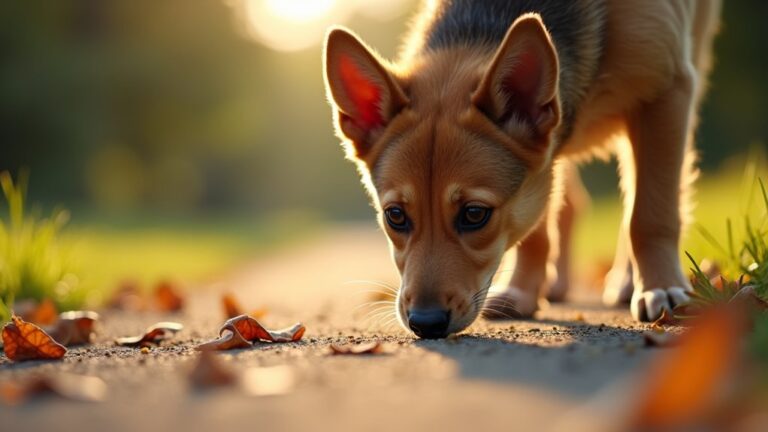

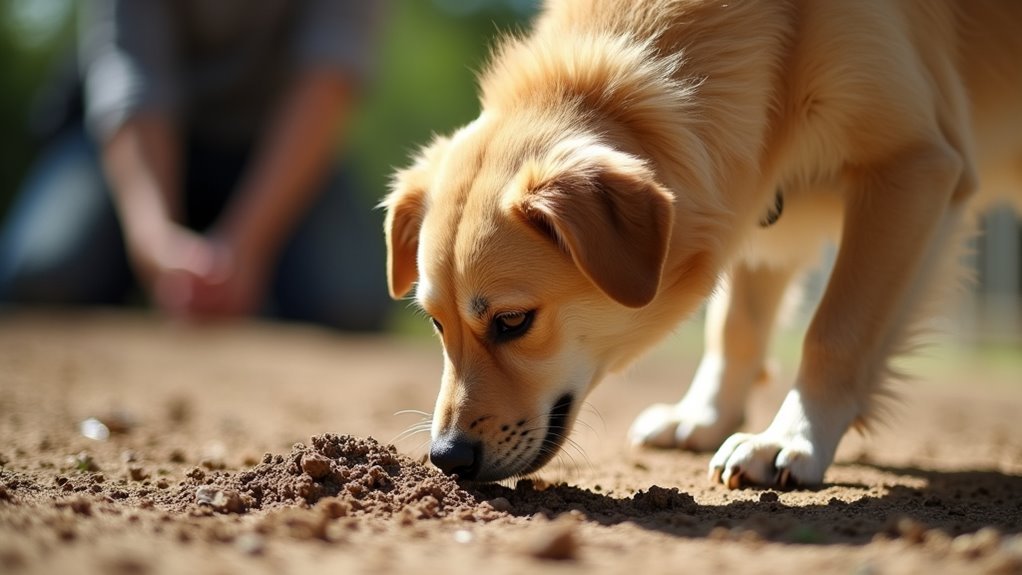

Dogs eat dirt for several straightforward reasons: boredom, stress, nutritional gaps, medical problems, or simple curiosity. Sometimes it’s harmless exploration; other times it signals pica, a condition requiring veterinary attention. Diet adjustments, more play and mental stimulation, and cleaning the yard can reduce dirt-eating. Persistent or excessive dirt consumption deserves a vet check for parasites, anemia, or gastrointestinal issues. This guide explains how to spot harmless behavior versus signs that need medical care, and offers practical prevention tips.
Why Does My Dog Eat Dirt?
Assuming your dog keeps eating dirt, it’s usually not just a weird habit with no reason behind it. You might be seeing pica, and the dirt-only version is called geophagia.
Often, your dog is trying to make up for missing minerals, like iron, calcium, or zinc, especially in case meals seem thin or uneven.
Stress, boredom, and routine changes can also push your dog toward the yard. That can occur during seasonal changes, whenever walks, play, and sleep feel off.
Sometimes, your dog reacts to upset stomach, parasites, anemia, or other health issues. Even environmental toxins in soil can matter, so it helps to notice where the behavior starts.
Should it keep happening, you’re not alone, and it’s worth paying attention.
Is Dirt Eating Normal in Dogs?
A little dirt eating can happen in dogs, and sometimes it’s just a brief habit or a curious taste trial.
You might see it as normal should it happen once in a while and your dog seems healthy, playful, and eating well.
But in case your dog keeps doing it, or you notice vomiting, diarrhea, drooling, or low energy, it’s time to pay closer attention.
Common Canine Behavior
Most dogs will sniff, lick, and even sample odd things now and then, so seeing your dog eat dirt once doesn’t always mean something is wrong.
You’re not alone, and a quick dirt taste can fit normal dog curiosity. Still, you should watch the pattern and look for clues.
- Your dog might follow training cues and stop whenever you call.
- Seasonal allergies can cause your dog to mouth the ground.
- A bored dog could seek extra texture or scent.
- A brief habit can fade once you redirect with play.
If it keeps happening, remember at what point it starts and what seems to trigger it.
That helps you feel calmer and makes it easier to spot whenever your dog needs more support.
When It’s Considered Normal
Dirt eating can be normal once in a while provided your dog just takes a quick nibble during play, curiosity, or a walk outside, but it should stay rare and brief.
You might notice this kind of normal exploration in puppies more often, because they use their mouths to learn the world.
Age differences matter too, since older dogs usually do it less unless something has changed around them.
Should your dog sniffs, tastes, and moves on, you can usually relax and keep walking.
A tiny mouthful here and there could just be part of being a dog.
Still, you know your buddy best, so watch for a pattern.
Whenever dirt eating stays light, casual, and occasional, it often fits within everyday canine curiosity.
Signs Of Concern
Whenever your dog’s dirt eating stops being a one-off nibble and starts happening again and again, it’s time to pay attention. Repeated pica can point to behavioral escalation or a health issue, not just curiosity. You’re not overreacting by watching closely; you’re protecting your buddy.
- Dirt eating happens daily or in bursts.
- Your dog also has diarrhea, drooling, vomiting, or bloating.
- Appetite changes, low energy, or weight loss show up.
- The habit keeps going after more exercise and play.
If you notice these signs, ask for medical screening soon. Your vet can check for anemia, parasites, stomach trouble, or nutrient gaps. That way, you and your dog stay on the same team, and you can both breathe easier.
Boredom and Curiosity
Whenever you don’t give your dog enough mental stimulation, they might start exploring dirt just to keep their brain busy.
Curiosity can also make them sniff, lick, and taste new textures because the ground feels interesting or different.
In case this happens often, it’s worth noticing whether boredom is nudging the habit along.
Mental Stimulation Needs
Should your dog keeps nosing around the same patch of ground, boredom could be part of the story. You can help by giving your dog more to do, because a busy mind is less likely to chase dirt. Try these simple steps:
- Offer interactive toys that make your dog ponder and work.
- Hide treats to create scent trails your dog can follow.
- Rotate walks, training, and games so life feels fresh.
- Add short play breaks during the day.
When you meet your dog’s mental needs, you also build trust and calm. Your dog learns that fun comes from you, not from the soil. That shared routine can make your bond feel stronger and safer, and it can cut down on that odd dirt-snacking habit too.
Investigating New Textures
Sniffing a patch of earth can start as plain curiosity, and many dogs seem to enjoy checking out new textures with their noses and mouths.
Whenever your dog gets bored, that sensory exploration can turn into dirt tasting. You might notice a texture preference for crumbly soil, damp mud, or gritty garden beds.
That doesn’t indicate your dog is being naughty; it often indicates the world feels underused.
Stress, Anxiety, and Pica
Stress and anxiety can push a dog to eat dirt, and it often starts with small changes that are easy to miss. Whenever separation triggers hit, your dog might look for a quick outlet, and pica can show up as dirt eating. You’re not alone in this, and you can help your dog feel safer.
- Watch for restlessness before dirt chewing starts.
- Use calming protocols like steady routines and soft praise.
- Add short walks and games to lower nervous energy.
- Give a safe toy whenever your dog heads toward soil.
If your dog keeps doing it, stress could be the driver, not bad manners. A calm home, patient guidance, and close support can help your dog settle and feel like part of the family again.
Can Diet Problems Make Dogs Eat Dirt?
Yes, diet problems can make your dog eat dirt, especially whenever their food lacks key nutrients like iron, calcium, or zinc.
Should your dog isn’t getting enough food or feels hungry often, they might start treating dirt like a quick filler.
Sometimes a medical diet issue can also upset their body and push them to seek out strange things to eat, so it’s worth paying close attention.
Nutrient Deficiencies
- Check the food label for balanced minerals.
- Ask your vet about a diet review.
- Ask whether soil contaminant testing is needed before your dog keeps licking the yard.
- Watch for other signs of pica, since geophagia can point to a gap your dog can’t explain.
A simple switch to a better diet can help your dog feel safer, steadier, and more settled.
Hunger And Portion Size
Whenever your dog acts like the dirt is calling their name, hunger can be part of the story, too. Should you’ve ever looked at an empty bowl and felt that pang of guilt, you’re not alone.
A dog that gets too little food, or meals that come too far apart, could start searching for anything that fills the gap. Good portion control helps you match food to your dog’s size, age, and activity level.
Meal timing matters as well, because long stretches between feedings can make a hungry dog restless and tempted to munch soil. So, keep a steady schedule, measure each meal, and watch how your dog acts after eating. Assuming dirt-eating eases when meals improve, you’ve likely found a crucial clue.
Medical Diet Issues
Sometimes the problem isn’t just how much your dog eats, but what’s actually in the bowl. Should the food misses key nutrients, your dog might start geophagia as a search for iron, calcium, or zinc. That can feel worrying, but you’re not alone, and it’s fixable.
- Ask your vet about dietary assays to check nutrient balance.
- Use prescription trials where allergies or digestive trouble could be involved.
- Watch for signs like loose stool, low energy, or a rough coat.
- Keep feeding a balanced diet, because poor ingredients can leave your dog feeling off.
Whenever you pair good food with veterinary guidance, you give your dog a safer path and help calm the urge to munch dirt.
Health Problems Linked to Dirt Eating
Health problems can hide behind a dog’s habit of eating dirt, and that’s why this behavior deserves a closer look. You may notice pica, or geophagia, whenever your dog keeps licking or swallowing soil. Sometimes, a simple checkup shows a bigger issue, like anemia, parasite screening needs, or liver disease.
Digestive upset and inflammatory bowel disease can also make dirt look tempting to your dog’s body. Should your dog seem tired, has a poor appetite, or acts uncomfortable, don’t brush it off as a quirky habit. Instead, talk with your vet, because catching the cause sooner helps you protect your dog’s comfort and keeps you both on the same page.
A few examinations can bring real peace of mind.
When Dirt Eating Becomes Dangerous
Whenever dirt eating turns into a habit, it can shift from odd to unsafe very quickly. You’re not being dramatic whenever you worry, because dirt can hide a soil toxin or sharp debris.
Should your dog keeps swallowing soil, watch for these red flags:
- vomiting or drooling
- belly swelling or pain
- no stool or straining
- sudden weakness or collapse
These signs can point to an emergency obstruction, and that needs fast help. Even without a crisis, repeated dirt eating can upset the stomach and leave you feeling on edge.
Stay calm, keep your dog away from muddy spots, and use barriers while you can. Your dog depends on you, and you’re doing the right thing by noticing the shift promptly.
How Vets Diagnose Dirt Eating
Provided your dog keeps eating dirt, your vet will want to figure out why, not just stop the habit. They’ll start with a behavioral history, asking at what point it began, how often it happens, and whether stress, boredom, or diet changes came initially.
Next, they’ll check your dog’s mouth, belly, and general health for signs of pica, anemia, upset stomach, parasites, or inflammatory bowel disease. Blood screenings often help spot nutrient problems or illness.
Should the clues stay unclear, diagnostic imaging could show a blockage, irritation, or other concealed issue. Your vet might also ask about your dog’s food, routine, and access to soil. That careful approach helps you and your vet stay on the same team while you look for the real cause.
How to Stop Your Dog Eating Dirt
Stopping dirt eating starts with making the behavior harder to repeat and easier to replace. You can help your dog feel safe, seen, and guided with calm, steady steps. Try this:
- Check with your vet about diet gaps and possible veterinary supplements.
- Use behavioral training to teach a strong leave it cue.
- Block access to favorite dirt spots with a leash or barrier.
- Redirect fast with a toy, treat, or brief game.
If your dog is anxious, keep your voice soft and your routine steady. Whenever you act promptly, you protect your dog and make good choices the easy path. That’s how you build trust, one small win at a time.
Give Your Dog More Enrichment
A tired, bored dog is often a dirt-eating dog, so the next step is to give that energy a better place to go. You can help your dog feel busier, calmer, and more connected with you. Try longer walks, short training sessions, and puzzle toys that make dinner feel like a game.
Interactive feeders can slow meals and keep your dog pondering, while Scent trails let your dog use that remarkable nose in a safe way. You can also rotate toys, hide treats around the house, and set up new games in the yard. Even ten minutes of focused play can make a big difference.
Whenever your dog feels engaged, dirt loses some of its appeal, and your bond gets stronger too.
Feed a Balanced Diet
Start with your dog’s bowl, because a balanced diet can eliminate one of the biggest reasons dogs eat dirt. If you choose complete food, you help meet needs for iron, calcium, and zinc, so your dog won’t go hunting in the yard for them. Check ingredient sourcing, because quality matters more than fancy packaging. Then keep a steady feeding schedule, since skipped meals can leave your dog feeling empty and restless.
- Pick food labeled complete and balanced.
- Ask your vet to review portions.
- Feed at regular times each day.
- Change diets slowly, not all at once.
Whenever your dog feels satisfied, you both get more peace at home. That simple routine can build trust, and it could make dirt less tempting too.
Make Your Yard Less Tempting
Your yard can feel like a giant snack bar to a dog who loves dirt, so it helps to close off the spots that keep calling their name.
To start, create barriers around bare patches, garden beds, and loose soil with fencing, rocks, or edging.
Then plant replacements like thick grass, low shrubs, or ground cover, so your space feels softer and less inviting for digging and nibbling.
You can also cover exposed dirt with mulch or stepping stones to change the texture under your dog’s paws.
Should your dog have a favorite dusty corner, block it right away and give them a better place to investigate.
Add toys, shade, and a small play area nearby, and your dog might choose fun over dirt more often.
When to Call the Vet
Should your dog keeps eating dirt, it’s worth paying close attention, especially whenever the habit happens often or comes with other changes. You’re not overreacting provided your gut says something feels off. Call your vet provided you see:
- diarrhea, vomiting, or bloating
- lethargy, drooling, or pain
- repeated dirt eating, even after diet changes
- emergency indicators like weakness, collapse, or trouble breathing
These signs can point to pica, anemia, parasites, or stomach trouble. Your vet might suggest a diet review, screening, or telemedicine options should the issue look mild at outset.
That quick help can save you worry and help your dog feel better sooner. Provided dirt eating is new, frequent, or paired with appetite changes, reach out now and stay on the safe side together.
Frequently Asked Questions
Can Dirt Eating Indicate a Vitamin Deficiency in Dogs?
Yes, it can. You might notice your dog seeking dirt whenever a mineral imbalance or vitamin deficiency exists, but you should not guess. Ask your vet about dietary supplements and proper screening initially.
Does Eating Dirt Mean My Dog Has Anemia?
Not always, but it can. You should consider anemia, especially if your dog has iron deficiency or other signs like lethargy. Your vet can confirm it with diagnostic examination and guide treatment.
Should I Worry if My Dog Eats Dirt After Rain?
Yes, you should watch it closely. After rain, post rain toxins and mudborne parasites can make dirt risky. If your dog keeps eating mud, seems ill, or does it often, call your vet.
Can Puppies Outgrow Dirt Eating on Their Own?
Sometimes, yes. Many puppies do outgrow dirt eating as developmental curiosity fades with behavioral maturation, but you should not just cross your fingers. If it continues, you will want to guide, manage, and check with your vet.
Is Geophagia the Same as Pica in Dogs?
Yes, geophagia is a dirt specific form of pica in dogs, so you are seeing a pica distinction. Behavioral causes like boredom, stress, or anxiety can drive it too. If it keeps happening, your vet should check it.