

Dogs pant to cool down, relieve stress, and recover after activity. Excessive panting can signal pain, breathing problems, heat stroke, or heart issues that need prompt attention. Watch for changes in pattern, intensity, or accompanying signs like weakness, vomiting, or blue gums. Simple fixes include shade, water, and rest; urgent care is required for drooling, collapse, or very rapid breathing. This guide explains common causes, warning signs, and practical steps to help keep a panting dog safe and comfortable.
Why Is My Dog Panting So Much?
Why is your dog panting so much? You might feel worried, but a little panting can arise from behavioral shifts, like a new routine, visitors, or changes at home.
Dogs often show stress in their breathing, and you could notice pacing or clingy behavior too. Seasonal allergies can also make your dog seem uncomfortable, especially whenever pollen or dust irritates the nose and throat.
Even excitement, fear, or simple restlessness can raise breathing for a while. Because you know your dog best, watch for patterns in timing, triggers, and other changes.
Should the panting start suddenly, lasts a long time, or seems out of place, trust your instincts and check with your vet. You and your dog deserve peace and clear answers.
Normal Causes of Dog Panting
Most of the time, panting is your dog’s built-in cooling system, and that’s completely normal. You’ll often notice it after a fun zoom around the yard, during a happy greeting, or while your dog settles from a busy day. Some dogs also pant more because of breed differences, especially should they’ve short noses. Others might pant whenever seasonal allergies make breathing feel a little harder.
- Your dog cools off through mouth breathing.
- Panting can rise after play or excitement.
- Warm rooms can make it show up more.
- Short-nosed breeds may sound heavier.
Should your dog relax and the panting eases, that usually points to a normal pattern. You know your buddy best, and steady, familiar panting often just means they’re winding down and feeling okay.
Heat, Exercise, and Stress
As the weather heats up, or your dog starts a wild round of fetch, panting can jump fast and loud, and that’s often your dog’s way of saying, “I need to cool off.” Dogs don’t sweat the way people do, so they rely on panting to move heat out through the mouth and upper airway.
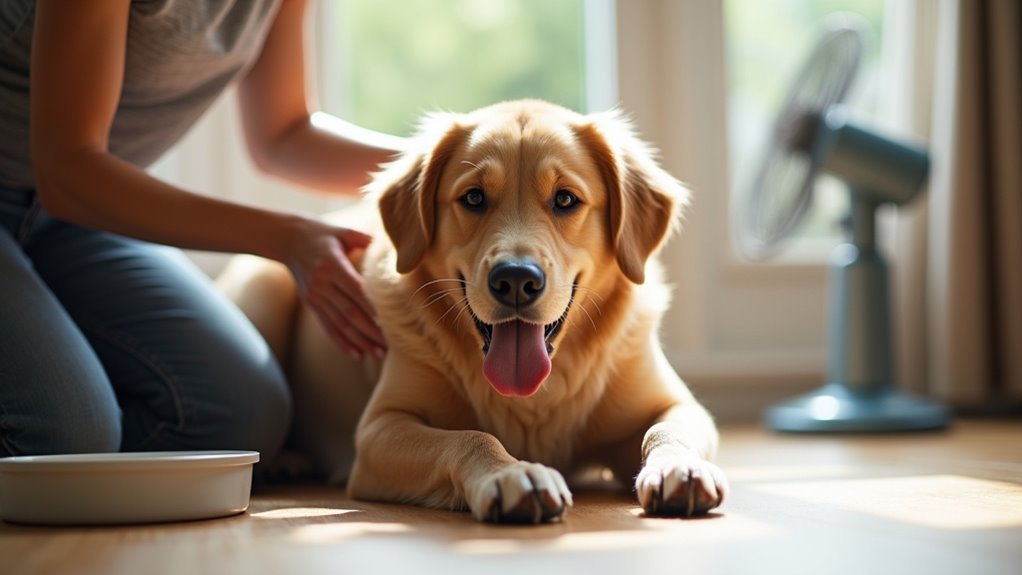
Whenever you notice hard panting, check the temperature thresholds around you. Should the air feel sticky or the pavement feel hot, slow things down. Give water, shade, and rest, then use cooling strategies like a damp towel, a fan, or a break indoors.
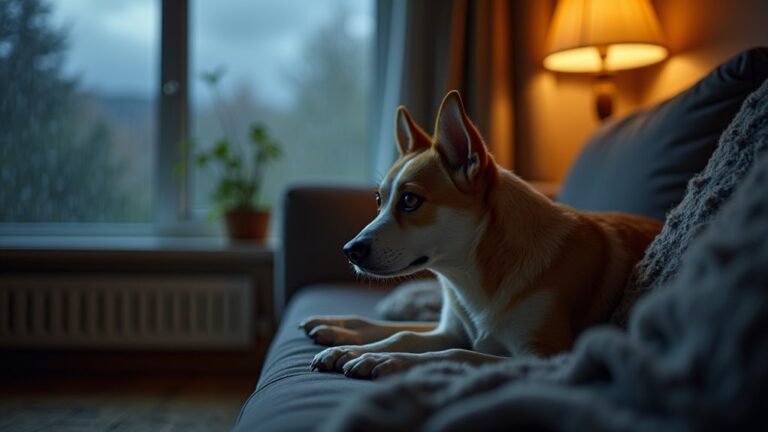
Your dog might also pant whenever excitement or stress kicks in, like during a storm or busy greeting. In those moments, calm routines help your buddy settle and breathe easier.
Medical Causes of Excessive Panting
Sometimes panting isn’t about heat or play at all, and that can feel worrying fast. You’re not alone provided your dog seems off, because medical issues can hide behind that open mouth breathing. Heart trouble, lung disease, anemia, and adrenal dysfunction can all change how your dog takes in oxygen. Pulmonary hypertension can make breathing feel like work, even while your dog is resting.
Watch for:
- a cough or fast breathing
- low energy or weakness
- pale gums
- a swollen belly or weight change
Some medicines, like prednisone, can also add panting. Provided your dog’s breathing feels new, stronger, or strange, trust your gut. You know your buddy best, and that matters here.
When Dog Panting Needs a Vet Visit
When your dog’s panting seems heavy, sudden, or just plain off, it’s time to pay close attention. Should the sudden onset happen at rest, or you notice emergency signs like blue gums, wobbling, vomiting, or a tight belly, call your vet right away. You’re not overreacting. You’re protecting your buddy.
| Sign | What it could mean | What to do |
|---|---|---|
| Rapid panting | Pain, heat, stress | Watch for changes |
| Labored breathing | Airway trouble | Seek urgent care |
| Collapse | Respiratory collapse | Go now |
Panting can also point to drug sideeffects, poisoning, or heart and lung trouble. In case it lasts more than a short spell, or your dog seems weak, scared, or unable to settle, get help fast. Trust your gut, because you know your dog best.
How to Help Your Dog Calm Down
Should your dog’s panting have you worried, the positive news is that a calm, steady approach can often help both of you feel better fast. Initially, lower the noise, dim the lights, and move to a cool room so your dog can settle with you. Then offer fresh water and let your pup rest without crowding.
Should your dog seem tense, try guided massage with slow strokes on the shoulders or chest. You can also give quiet chews to shift focus and build comfort.
- Speak softly and keep your movements slow.
- Remove hot collars, tight leads, or extra activity.
- Use a fan or cool floor nearby.
- Watch for pain, fear, or worsening breathing.
When you remain relaxed, your dog often follows your lead.
Frequently Asked Questions
Why Does My Dog Pant More at Night?
Your dog could pant more at night from nocturnal overheating or nighttime anxiety. For example, your pup could pace after bedtime, then settle once cooled. If panting stays heavy, call your vet.
Can Certain Foods Cause Excessive Panting in Dogs?
Yes, certain foods can trigger excessive panting if you are feeding dietary triggers or your dog has a food intolerance. You may also notice restlessness, an upset stomach, or itching. If it continues, contact your veterinarian.
Is Panting Normal After Anesthesia or Surgery?
Yes, you might notice post op panting during anesthesia recovery, and it is often normal as your dog wakes up. You should call your vet if panting worsens, remains constant, or is accompanied by pain, vomiting, or weakness.
Do Older Dogs Pant More Than Younger Dogs?
Yes, older dogs often pant more than younger ones. Like a worn backpack on a long hike, age brings change. You may notice age related respiratory shifts, muscle weakness, and slower cooling, but check for illness too.
Can Anxiety Medication Reduce My Dog’s Panting?
Yes, it can. You will often see less panting as anxiety eases, especially with behavioral therapy and a vet consultation. Your vet can suggest the right medication, dosage, and safe support for your dog.