

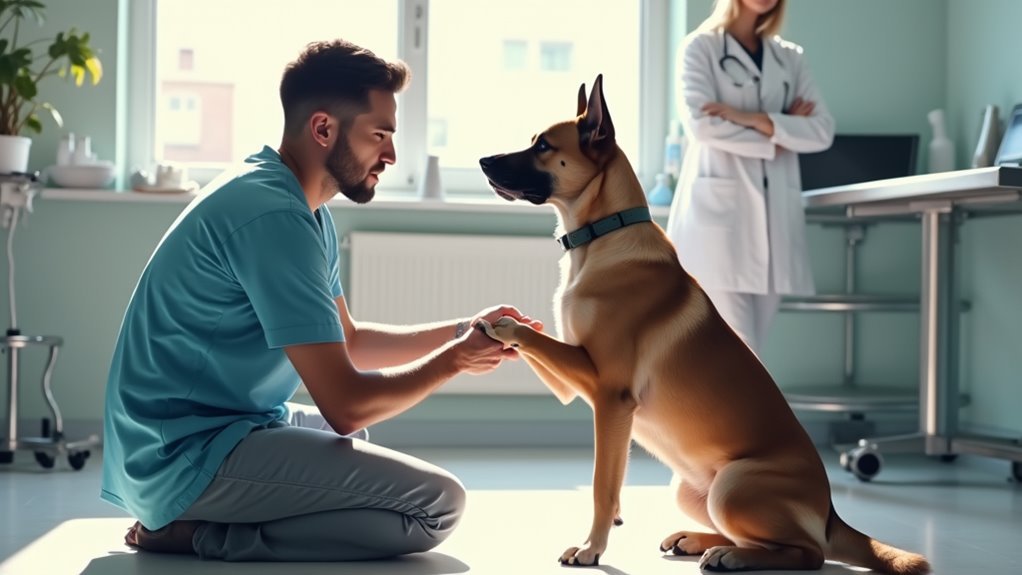

Dogs limp for many reasons, ranging from minor paw irritations to serious injuries like fractures or torn ligaments. Limping can also come from joint disease such as arthritis or infections that need prompt care. Some causes improve with rest, basic first aid, and monitoring. Other causes require immediate veterinary treatment and diagnostic tests like X-rays. Watching for swelling, heat, vocal signs of pain, and changes in weight-bearing helps pinpoint severity.
Common Reasons Dogs Limp
As soon as your dog starts limping, it often shows up after a busy day of play, a quick jump off the couch, or a rough landing on the grass.
You may see a sprain, a strain, or even a sore joint after twisting or running too hard.
Sometimes the limp comes from a torn ligament, arthritis, or a growing bone problem, especially should your dog be older or still young.
In other cases, infection, inflammation, or tick-borne illness can make one leg hurt and change how your dog moves.
Were the limp to seem odd, comes and goes, or shifts legs, behavioral limping or neurological causes could also play a part.
You’re not alone in this, and your vet can help you sort out the cause.
Paw Injuries That Cause Limping
Sometimes the cause is right under your dog’s nose, or more likely, right under their paw. Should your dog steps on glass, a thorn, a pebble, or a sharp stick, you might see instant limping, licking, or a little hop.
Torn nails and bruised pads can hurt too, even whenever the paw looks fine initially. Check between the toes, along the pads, and around the nails for cuts, swelling, or stuck debris.
Clean small wounds gently, then restrict walking so the area can settle. A soft paw massage around the healthy spots can help your dog relax whilst you look.
Provided the limp hangs on, your vet could suggest tracking devices to watch movement and spot patterns. That way, you and your pup stay one step ahead.
Muscle Strains and Soreness
You might notice a muscle strain should your dog limps after play, seems sore when you touch a leg, or moves more stiffly than usual.
Rest usually helps mild strains and soreness, and a little quiet time can make a big difference.
Should the limp doesn’t improve, gets worse, or your dog won’t put weight on the leg, you should see your vet soon.
Signs Of Muscle Strain
A muscle strain can make your dog move in a very careful, awkward way, and the signs often show up after a lively run, a jump, or a rough play session.
You could notice muscle guarding, where your dog holds a leg stiff or resists full movement. Sometimes the limp starts right away, but other times delayed onset soreness appears later, after the excitement fades.
Your dog might seem tender when you touch the area, flinch during stairs, or favor one side while walking. The stride can look shorter, and restlessness could follow because comfort is hard to find.
These changes can feel worrying, but they often point to soft tissue pain rather than a major injury. Still, should the limp linger, your vet should check it.
Rest And Recovery
Resting is the quiet hero whenever a muscle strain leaves your dog sore and stiff. You help your dog heal by keeping walks short, calm, and leash-only, so the sore tissue can settle. Gentle home physiotherapy, like slow stretching or soft massage, can support comfort once your vet has already shown you how. Consider recovery like this:
| Step | What you do | Why it helps |
|---|---|---|
| Rest | Limit play | Reduces strain |
| Recondition | Add short walks | Builds strength |
| Check progress | Watch movement | Guides pace |
With gradual reconditioning, you slowly rebuild activity, one easy step at a time. That steady rhythm helps your dog feel safe, supported, and ready to move with your pack again.
When To See Vet
Should your dog’s muscle strain seems mild, it can still cross into “call the vet” territory faster than you’d expect.
In case your pup keeps limping after 24 to 48 hours of home monitoring, or the pain gets worse, reach out right away.
You should also call should you see swelling, heat, a yelp when touched, or trouble standing.
A telemedicine consult can help you decide whether your dog needs an exam today or can rest a bit longer.
Were your dog to won’t bear weight, seems shaky, or hides from you, don’t wait.
Those signs can point to a bigger injury than soreness.
You know your dog best, and getting help at the outset keeps your buddy safer, calmer, and on the road back to zoomies.
Sprains and Broken Bones
As soon as your dog suddenly starts limping, a sprain or a broken bone can be one of the initial things to take into account.
In case the injury came after a hard run, jump, or twist, a sprain might hurt enough to make every step look awkward. You can help through limiting movement, using ankle stabilization when your vet suggests it, and giving calm pain management solely as directed.
A broken bone often brings stronger pain, swelling, or a leg your dog won’t want to use at all. Because dogs try to stay brave for you, the signs can be easy to miss at outset. You’ll want to keep your buddy still, avoid squeezing the area, and get vet care quickly so healing can start safely and without extra stress.
Joint Injuries and Dislocations
Should a dog begin limping and the leg appears rigid or twisted, a joint injury or dislocation could be the cause.
You might notice swelling, a loud yelp, or a joint that sits in an odd spot. This can happen after a fall, a rough landing, or a hard twist during play.
A dislocation can stretch nearby tissues and create joint instability, so your dog might avoid putting weight on the leg. In some cases, the smooth surface of articular cartilage also gets damaged, which adds pain and stiffness.
Keep your dog calm and limit movement right away. Don’t try to push the joint back yourself. Your veterinarian can check the joint, ease pain, and guide treatment so your dog can start healing safely.
Arthritis and Hip Dysplasia
Whenever arthritis starts to wear on a dog’s joints, you could notice a slow, stiff limp that seems worse after rest or a long walk. You might also see your dog hesitate on stairs, rise slowly, or skip play with the group.
With hip dysplasia, the ball and socket don’t fit well, so the hips can ache and tighten over time. Because this problem often runs in families, genetic screening can help breeders lower risk.
For you, weight management matters too, since extra pounds press harder on sore joints. Your vet might suggest joint-friendly exercise, pain relief, and comfort steps at home.
With steady care, you can help your dog move more easily and stay part of daily life.
When Dog Limping Is Serious
Should your dog suddenly won’t put any weight on a leg, treat it as a serious warning sign.
Swelling, a bent-looking limb, or a paw that seems out of place can point to a fracture, dislocation, or other major injury.
In case the pain keeps getting worse or your dog refuses to walk, you should call your vet right away.
Sudden Non-Weight Bearing
A dog that suddenly refuses to put weight on a leg needs your attention right away, because this kind of limping often points to something more serious than a mild sore muscle. You might feel worried, and that’s normal. Sudden non-weight bearing can happen after a strain, a torn ligament, or a paw injury, but it can also signal acute nerveroot pain or sudden synovitis.
- Watch for crying, licking, or flinching.
- Check the paw for a thorn, cut, or torn nail.
- Keep your dog calm and rest them.
- Call your vet fast should the pain stay strong.
You don’t have to guess alone. Were your dog unwilling to touch the ground, treat it like an urgent problem and get help soon.
Swelling Or Deformity
Swelling or a visible bend in your dog’s leg can mean the problem is more than a simple strain. If you see puffiness, odd angles, or skin tightening, don’t brush it off. These signs often point to a fracture, dislocation, or bad soft tissue injury, and your dog needs prompt help from the same caring pack you trust.
| Sign | What you notice | Why it matters |
|---|---|---|
| Swelling | A warm, puffy leg | Injury or infection |
| Bend | Limb looks twisted | Bone or joint damage |
| Skin tightening | Skin feels stretched | Pressure is building |
| Limping | Short, guarded steps | Pain changes movement |
| Circulation assessment | Cold toes or pale pads | Blood flow might be reduced |
Keep your dog calm, limit movement, and seek a vet fast.
Persistent Or Worsening Pain
As your dog keeps limping or starts to seem worse instead of better, that’s a sign to pay close attention. You know your dog best, and ongoing pain often means more than a simple sore paw. Whenever the limp lingers, your vet needs to check for deeper problems like a torn ligament, infection, or chronic neuropathy. Your dog might also show behavioral guarding, such as pulling away, licking one spot, or refusing stairs.
- pain that grows after rest
- limping that shifts to another leg
- whining, panting, or trembling
- not wanting to eat or play
If your dog won’t bear weight, call your vet promptly. Keep activity low, avoid human pain meds, and help your pup feel safe while you wait.
How Vets Diagnose a Limping Dog
As soon as your dog walks into the clinic with a limp, your vet starts initially playing detective in a calm, careful way. They’ll watch your dog stand, sit, and move, because gait analysis shows where pain might hide.
Then they’ll ask when the limp started, what your dog did before it, and whether the problem shifts legs. Next, they’ll gently feel the paws, legs, hips, and spine to find swelling, heat, cuts, or tender spots.
Should they suspect a deeper issue, diagnostic imaging like X-rays or ultrasound can reveal fractures, joint changes, or foreign objects. Sometimes bloodwork helps check for infection or inflammation.
You’re not alone in this. Each clue narrows the list, so your vet can focus on the real source of discomfort and guide the next step.
Treatment Options for a Limping Dog
Once your vet knows what’s causing the limp, treatment can finally match the problem instead of just covering it up. You and your dog can then focus on real healing, not guesswork.
For a sprain or strain, your vet might suggest rest, ice, and short walks.
For cuts, torn nails, or paw injuries, cleaning, bandaging, and pain control help.
Fractures, dislocations, or torn ligaments could need splints or surgery.
- Limit running and jumping.
- Follow medicine directions exactly.
- Use home remedies only provided your vet approves.
- Ask about alternative therapies like rehab or laser care.
Should your dog have arthritis, long-term joint care can ease daily pain. You’re not alone in this, and your vet can help you choose the safest plan.
Frequently Asked Questions
Can a Dog Limp From an Insect Bite or Sting?
Yes, your dog can limp from an insect bite or sting. Allergic swelling or even nerve damage can make walking painful. Check the paw, keep your dog rested, and call your vet if it worsens or does not improve.
Should I Remove a Thorn or Glass From My Dog’s Paw?
No, you should not yank it out like a gladiator. Clean the paw gently, use a careful cleaning technique, and get a vet referral if it is deep, painful, bleeding, or your dog will not bear weight.
How Long Should Mild Limping Last Before I Call the Vet?
You should call the vet if your dog’s mild limping does not show gradual improvement within 48 to 72 hours, or if it worsens sooner. Keep them resting, monitor closely, and do not give human pain medications.
Is Limping After Exercise Always a Sign of Injury?
No, limping after exercise isn’t always a sign of injury. It can result from muscle fatigue or heat exhaustion, and you’re not alone in seeing it. Still, rest your dog and call your vet should it persist.
Can I Give My Dog Human Pain Medication for Limping?
No, you should not give your dog human pain medication for limping. Over the-counter medications can be dangerous, and dosage differences between you and your dog can cause toxicity. Call your vet for safe relief and guidance.