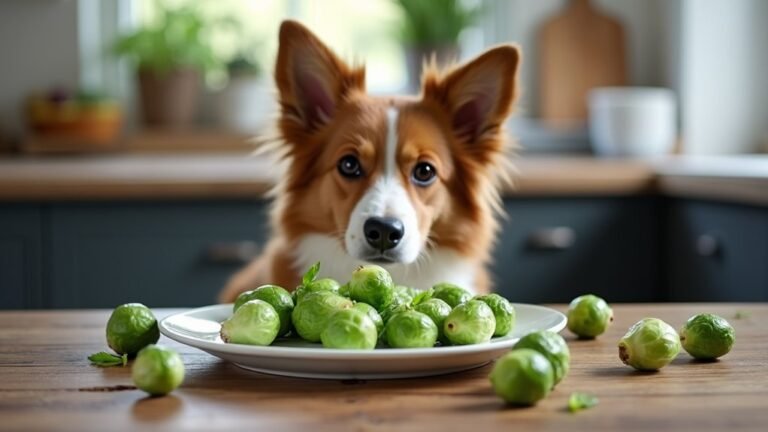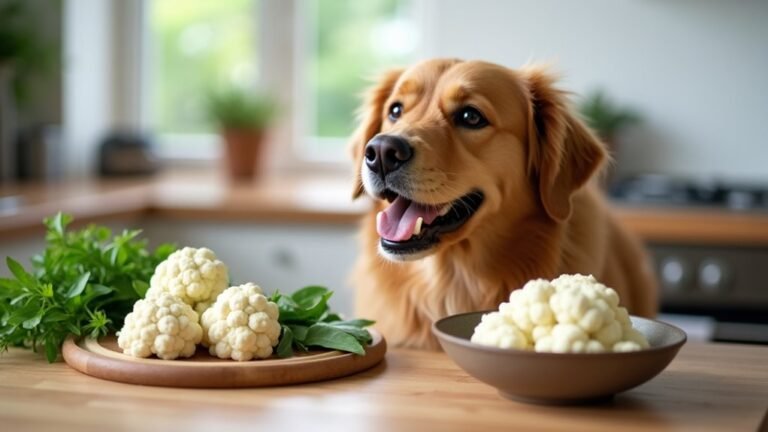


About 20% of dogs experience constipation at some point. Common signs include straining, skipped stools, and visible discomfort. Causes range from dehydration and low-fiber diet to medication side effects or intestinal blockage. Quick observation of appetite, water intake, and behavior provides useful clues. Simple fixes at home can help, but serious cases require prompt veterinary attention.
What Causes Dog Constipation?
Dog constipation usually starts with something simple, like a diet that doesn’t agree with your dog, but it can also point to a deeper health issue. You could notice it after your dog eats bones, dirt, gravel, or toys, especially when pica behaviors lead to swallowing odd things.
Sudden food changes, low fiber, or dry meals can make stool harder. Too little water, less exercise, or stress can slow the gut too.
Older dogs, pain, arthritis, or certain medicines might also play a part. In some homes, better environmental stimulation helps because boredom can push chewing and swallowing habits. Should your dog have an enlarged prostate, thyroid trouble, or a blockage, constipation can show up fast and requires care.
How to Tell If Your Dog Is Constipated?
You can often tell your dog’s constipated whenever he isn’t pooping as often as usual, even though he keeps trying.
He might strain, squat, or circle a lot and still pass little or nothing.
Whenever he does go, the stool could look hard, dry, and small, which can make each trip to the yard seem uncomfortable.
Infrequent Bowel Movements
Sometimes the clearest sign of constipation is simply that your dog isn’t pooping as often as usual. You know your dog’s normal bowel timing, so a missed day or two can stand out fast. Still, defecation variability is real, and some healthy dogs skip a day now and then.
What matters is the pattern you see over time. In the event your dog usually goes after meals or walks, and that rhythm suddenly changes, pay attention. You might also notice fewer bathroom trips even when your dog still seems keen to go outside.
Because you share daily life with your dog, you’re often the initial person to spot these shifts. Trust that instinct, and keep an eye on how long the change lasts, especially if it’s new.
Straining To Defecate
Once constipation starts, one of the most obvious signs is straining to defecate, and that effort can look painful or frustrating for your dog. You might see your dog squat again and again, only to pass little or nothing.
Some dogs whine, pace, or glance back as though asking for help. Others tighten their belly and keep trying because the anal sphincter won’t relax easily.
Should your dog seem blocked after a bout of stress, dehydration, or pelvic trauma, pay close attention. You know your dog’s normal routine, so changes matter.
Straining isn’t just awkward bathroom drama. It can point to pain, a problem in the rectum, or a deeper issue that needs your vet’s care.
Hard Dry Stools
| What you see | What it can mean | What you can do |
|---|---|---|
| Small, hard pellets | Dry stool | Offer fresh water |
| Crumbly stool | Poor moisture | Ask about canned food |
| Painful pooping | Backed-up stool | Call your vet |
| Repeated attempts | Ongoing constipation | Watch closely |
If the stool stays hard, your dog needs help soon.
When Is Dog Constipation an Emergency?
Your dog’s constipation can turn into an emergency should you see vomiting, a swollen belly, severe pain, or repeated straining with no stool.
You should also call your vet right away should your dog won’t eat, seems weak, has blood in the stool, or might’ve eaten bones, toys, dirt, or gravel.
Whenever in doubt, trust your gut and get help fast, because a blockage or serious illness can get worse quickly.
Severe Symptoms To Watch
Upon constipation turning serious, it often shows clear warning signs that you shouldn’t ignore.
You might notice your dog straining hard with little or no stool, crying out, or pacing in discomfort.
Watch for a swollen belly, repeated vomiting, loss of appetite, or sudden weakness.
These behavioral indicators can mean the problem is deeper than simple dryness.
Should your dog seem restless, hides, or won’t let you touch the abdomen, take that seriously too.
Blood in the stool, black stool, or a complete stop in bowel movement also raise concern.
At this point, veterinary diagnostics help find blockage, pain, or another cause fast.
Trust your gut in case your companion looks unwell, because waiting can let things get worse quickly.
When To Call Vet
Should constipation is making your dog miserable, don’t wait too long to call your vet, because some cases can turn urgent fast. In case your dog strains, cries, vomits, swells, or stops eating, you need help the same day. Use stool monitoring to track how long it’s been, and share details about hard, dry, or absent stools. A vet visit matters fast when your dog could have swallowed bones, toys, dirt, or gravel. | Signs | What it means | | — | — | | No stool for 48 hours | Possible blockage | | Vomiting or belly pain | Needs prompt care | | Blood, weakness, or collapse | Emergency | Your vet can check for pain, dehydration, or disease and guide safe treatment. Should behavior changes occur, pair medical care with gentle behavioral training so bathroom routines stay calm and consistent.
What Can You Do for Dog Constipation at Home?
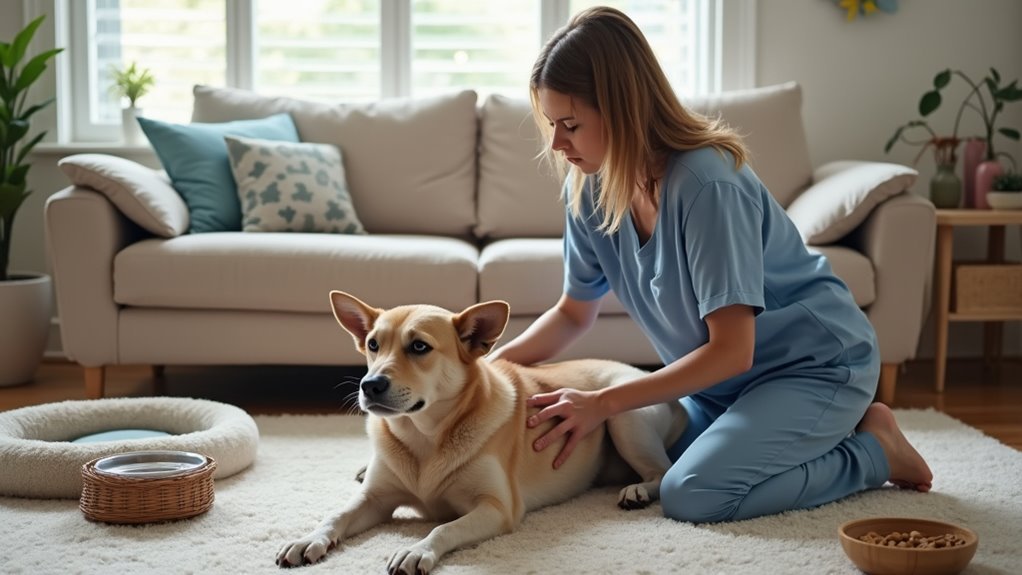
Upon constipation sneaks up on your dog, you can often start with a few gentle steps at home. Try a calm walk, since movement can wake up the gut. You can also do a soft home massage on the belly when your dog relaxes with touch. Watch for hard stools, straining, or a tucked tail, and keep your routine steady so your dog feels safe.
- Offer fresh water in a clean bowl
- Serve a small meal your dog knows well
- Try a probiotic trial only provided your vet agrees
- Make a quiet potty spot with easy access
When your dog seems uncomfortable, stay close and patient. Your steady care helps more than you suppose, and it can make your dog feel less alone.
Should You Add Fiber and More Water?
Adding a little fiber can help your dog pass softer, bulkier stool, but too much can backfire and make things worse.
More water also matters because dry stool gets hard to move, so fresh water and moist food can make a real difference.
Should your dog’s diet changed recently or constipation keeps coming back, it’s smart to adjust food with your vet’s help.
Fiber Benefits For Constipation
Fiber can be a real helper whenever your dog feels backed up, because it can add bulk, hold moisture, and help stool move more smoothly through the gut.
Whenever you choose the right kind, like soluble fiber, you support softer, easier-to-pass waste without making meals feel heavy.
Fermentable prebiotics can also feed helpful gut bacteria, which could keep the digestive rhythm steadier.
- A scoop of pumpkin in the bowl
- A spoonful of added fiber powder
- A happy walk after dinner
- A calmer dog squatting with less strain
You don’t need to guess alone.
Your vet is able to help you find the right amount, because too much fiber can backfire.
Should your dog seem uncomfortable, you’re still doing the caring thing by asking questions and tuning the plan.
Hydration Helps Stool Softening
A little extra moisture can make a big difference whenever your dog is straining, and that’s where water steps in to help soften stubborn stool.
Whenever your dog drinks enough, the colon can pull in less water from the waste, so stool stays easier to pass.
Good water absorption helps, and it supports electrolyte balance too, which keeps the body working smoothly.
You can keep fresh bowls in more than one spot, add water to meals, and offer canned food or warm broth made for dogs.
Small changes like these often feel comforting because you’re helping your buddy from the inside out.
Should your dog still seems blocked, won’t eat, or can’t pass stool, call your vet quickly.
When To Adjust Diet
Whenever your dog still seems uncomfortable after extra water, it could be time to look at food more closely, because the right diet can help stool move with less strain. You can often ease things with small changes that feel safe and steady.
Try these steps:
- Add a spoon of 100% pumpkin to meals.
- Choose wetter food for more moisture.
- Keep portion control so meals don’t sit too heavy.
- Make treat changes slowly, especially after rich snacks.
Should your dog eats lots of bones, dirt, or toys, stop those fast. A little fiber might help, but too much can backfire.
If you belong to a dog family, you know every belly has its own rhythm, so watch stool closely and call your vet should straining keeps up.
Can Exercise Help Your Dog Poop?
Absolutely, exercise can help your dog poop, especially provided your pup just needs a gentle nudge to get things moving. A steady walk timing and fun play routines can wake up the gut and help stool move through the colon. You’re not alone in this; many dog parents see better bathroom habits after light movement.
| Activity | Time | Effect |
|---|---|---|
| Leash walk | 10 to 15 min | Triggers movement |
| Sniff break | 5 min | Calms nerves |
| Gentle fetch | 10 min | Enhances motion |
| Short stroll | After meals | Supports routine |
| Backyard play | Daily | Keeps things regular |
Keep it easy and upbeat, and let your dog set the pace. Provided your pup strains, seems sore, or still can’t poop, call your vet soon.
What Foods and Medications Can Worsen Constipation?
In the bowl and in the medicine cabinet, some everyday choices can quietly make constipation worse. Whenever you share your pup’s space, watch for foods that dry things out or block the gut. Bones, treats with little moisture, and sudden diet swaps can leave stool hard and tough to pass. Some meds can do the same, especially antihistamines, diuretics, narcotic pain relievers, and sucralfate, so inquire about medication interactions before giving anything new.
- A crunchy bone pile
- A dusty, low-moisture kibble bag
- A pill bottle on the counter
- A jar of herbal remedies
Even natural products can slow the bowel. Should you’re unsure, check labels and talk with your vet, because small changes can help your dog stay comfortable and included at the family table.
How Do Vets Treat Dog Constipation?
Should your dog is already coping with constipation, your vet will usually start by finding out why it’s happening prior to choosing the right relief.
You’ll likely get a careful exam, and your vet could feel your dog’s belly and rectum to check for hard stool or a blockage.
In case needed, they’ll use X-rays or other evaluations to see what’s going on inside.
Then they can guide you toward the safest help. That could include fluids to ease dehydration, medicine to improve gut motility, or a vet-approved laxative.
In case your dog is uncomfortable, your vet could also suggest gentle abdominal massage, more moisture in meals, and better exercise.
You’re not handling this alone, and quick care can make your dog feel better sooner.
What Health Problems Cause Dog Constipation?
Several health problems can slow your dog’s digestion and make stool harder to pass, so constipation is often more than just a simple tummy issue. You might notice your dog straining, then stopping beside the yard fence like nothing’s happening.
Medical causes often include:
- Intestinal blockage from a swallowed toy or bone
- Hypothyroidism, which slows bowel movement
- Pain from arthritis or spine trouble
- A gut microbiome imbalance that disrupts normal stool flow
An enlarged prostate, anal gland trouble, or a genetic predisposition can also play a role.
Stress, fear, and some medicines could add to the problem, too. Should your dog seem uncomfortable or goes days without passing stool, you’re not alone, and your vet can help you sort out the cause with care.
How Can You Prevent Dog Constipation?
Once you know what can cause constipation, you can do a lot to keep your dog comfortable and regular. Feed a steady, balanced diet with enough moisture, and avoid sudden food swaps. Keep fresh water out all day, because hydration helps stool stay soft.
Give daily walks and playtime, since movement keeps the gut working. Watch what your dog eats on walks and in the yard, and stop bones, dirt, toys, and other risky snacks.
Provided your dog is older or has ongoing health issues, ask your vet about routine screening so small problems don’t grow. For puppies, good litter training or potty habits also helps you notice changes fast. And should your dog seems painful, stressed, or backed up, call your vet promptly.
Frequently Asked Questions
Can Constipation Cause Vomiting or Loss of Appetite?
Yes, constipation can cause vomiting or loss of appetite, especially if you are dealing with an intestinal blockage or a dietary sensitivity. You should call your vet promptly, since these signs can mean your dog needs urgent care.
How Long Can a Dog Safely Go Without Pooping?
Usually, you should not let your dog go more than 24 to 48 hours without pooping. If you notice changes in pain tolerance or reduced bowel motility, call your vet sooner, especially if your dog strains, vomits, or will not eat.
Is Straining Always Constipation in Dogs?
No, straining isn’t always constipation, like a smoke alarm isn’t always fire. You could see anal gland pain, a urinary blockage, or other trouble. Should your dog be straining, you will want a vet check.
Can Puppies Get Constipated Too?
Yes, puppies can get constipated too, especially during puppy digestion and stool changeover. You will notice hard, dry stools or straining. Keep water available, offer gentle walks, and call your vet if it keeps happening.
Should I Give My Dog a Stool Softener?
You shouldn’t give your dog a stool softener unless your vet okays it, because medication interactions and hidden blockages can make things worse. Try dietary fiber, water, and walks initially, and get help soon.