

Dogs stare for clear reasons: they want something, they check your mood, they show trust, they read your actions, and they communicate needs. A focused look can mean hunger, a desire for attention, anxiety, or affection. Body language—ears, tail, posture—gives context to that gaze. Breed, age, training, and past experiences shape staring behavior. Read the whole dog to interpret that steady stare accurately.
Why Is My Dog Staring at Me?
When your dog keeps staring at you, it’s usually trying to tell you something, and that message is often simpler than it looks.
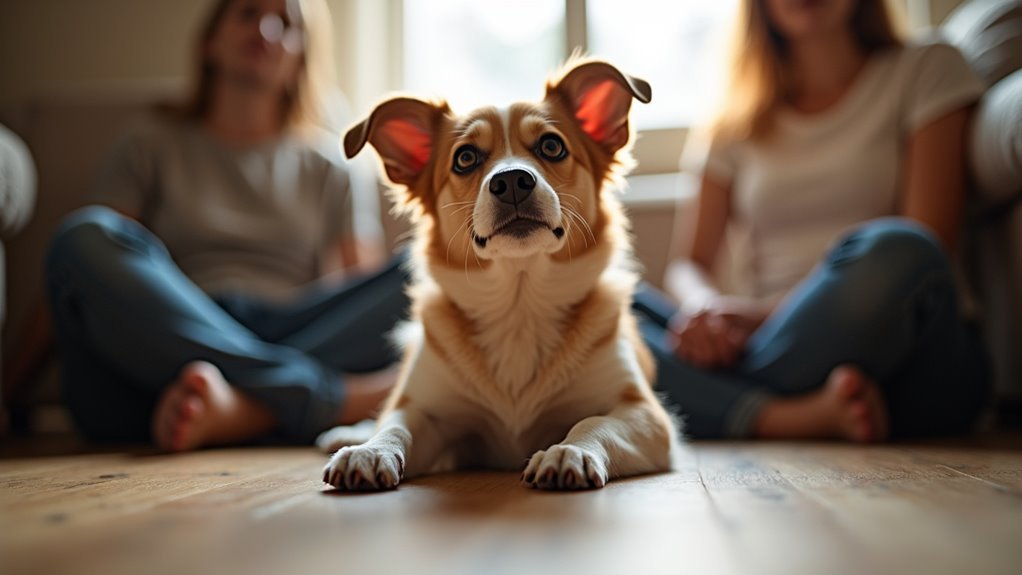
You could notice soft eye contact when your dog feels calm, safe, or close to you. That mutual gaze can feel like a tiny check-in, like your dog is saying, “I see you, too.”
Sometimes, your dog also stares because it has learned that looking at you gets attention, petting, or a familiar response.
In other moments, it watches your face and body to read what you’ll do next. Should the stare feel relaxed, your dog might just want connection and reassurance. In case it looks tense or hard, pay closer attention, because the meaning can change fast.
What Your Dog Wants From You
Your dog is often trying to reach for something simple and significant, and that something could be you.
Whenever you notice staring, consider what your dog needs right then. Perhaps they want food, a walk, a toy, or just your touch.
Sometimes the look comes from boredom signals, so your dog wants help breaking the quiet.
At other times, your dog might be asking for comfort, because closeness makes home feel safe.
Should you’ve ever seen resource guarding near a bowl or favorite spot, you know dogs can also ask for space or control.
You don’t need to guess perfectly. Instead, watch the moment, meet the need, and let your dog feel seen. That’s how you build trust, and it helps your dog feel like they belong.
What Dog Staring Means
At the moment your dog stares at you, it often means they want your attention or are waiting for something they expect, like food, a walk, or play.
You can also read that gaze as your dog watching your face and body to figure out what you could do next. Occasionally that steady look is just their way of saying, “I’m with you, so what’s the plan?”
Seeking Attention
A dog often stares because it’s trying to get something from you, and that “something” is usually pretty simple. Your dog could be sending attention cues whenever it wants food, a walk, or a quick hello. In many homes, staring becomes petting solicitation, because your dog has learned that soft eye contact can lead to scratches, pats, or lap time. You can regard it as a tiny nudge for connection.
| Look | Meaning | Your response |
|---|---|---|
| Calm stare | Affection | Offer a few gentle pets |
| Food glance | Hunger | Check the bowl |
| Door watch | Walk request | Reach for the leash |
| Paw plus stare | Play bid | Grab a toy |
| Repeat gaze | Bonding | Give a kind moment |
Whenever you answer with warmth, your dog feels seen, and that bond gets stronger.
Reading Your Cues
Dogs don’t just stare to ask for food or a walk, because they also watch you closely to figure out what you could do next. Whenever you notice that steady look, consider eye reading and cue anticipation.
Your dog might be tracking your hands, your face, or the way you shift your weight. That helps them feel safe and stay connected with you.
- A soft stare can mean, “I’m with you.”
- A quick check-in can mean, “What’s next?”
- A tense stare can mean, “I’m unsure.”
Should your dog seem relaxed, you’re probably sharing a quiet moment of trust. In case the gaze feels stiff, pause and give clear guidance. Either way, your dog’s stare is often a real attempt to understand your world.
When Your Dog’s Stare Means Affection
When your dog gives you soft, calm eye contact, it’s often a sweet sign that they feel safe with you.
That steady look can show trust, and it could even strengthen the bond you share whenever you respond with petting, praise, or a gentle voice.
In those quiet moments, your dog might simply be telling you, “I feel good with you.”
Loving Eye Contact
Soft eye contact from your dog can feel like a small, quiet gift, and often it really is.
Whenever your dog meets your eyes with a soft face and relaxed body, you might feel a warm mutual gaze that says, “I’m with you.” That moment can bring a tiny oxytocin surge, which helps you feel close and calm together.
- Your dog could be checking in with you.
- Your dog could be asking for gentle attention.
- Your dog could simply enjoy being near you.
You can answer with a calm voice, a smile, or a soft pet.
This easy exchange helps you both feel included, seen, and part of the same little pack.
Trust And Bonding
That calm gaze you’ve noticed can mean more than simple affection, because your dog could also be building trust with you. When your dog meets your eyes softly, it often says, “I feel safe here.” This mutual gaze can strengthen oxytocin bonding, the same feel-good connection that helps you both relax.
You might see it during quiet moments on the couch, after dinner, or whenever your dog simply wants to stay close. Should you answer with a gentle voice, a smile, or a soft pet, you help that bond grow even more.
Over time, your dog learns that your face brings comfort, not worry. That’s a big part of friendship, and honestly, your dog could be the better eye contact coach.
Why Dogs Watch Your Every Move
Your dog may watch your every move because you’re the center of their world, and they’re always trying to figure out what comes next. That quiet focus can feel like silent surveillance, but it’s really environmental monitoring mixed with care.
- They learn your routines and notice whenever meals, walks, or play usually happen.
- They read your hands, face, and steps to catch clues about what you’ll do next.
- They stay close because attention from you feels rewarding and safe.
Signs Your Dog Is Stressed
When your dog feels stressed, you might notice a stiff body, whale eye, or quick lip licking instead of a relaxed stare.
These clues often show up whenever your dog feels unsure, crowded, or uneasy about what’s happening around them.
Should you spot them, give your dog some space and watch for the situation that’s making them tense.
Stiff Body Language
A stiff body can tell you a lot about how your dog feels, especially in case the stare looks tense instead of soft. Whenever you notice muscle tension, your dog might be bracing, not relaxing. That can show up with posture shifts, like a frozen neck, lifted chest, or a body that stops moving.
- Watch for a rigid back and tight legs.
- Notice whether your dog holds still rather than leaning in.
- Check whether the stare comes with slow, careful movements.
Should you see this, give your dog space and lower the pressure. Speak gently, turn your body sideways, and let your dog decide the next step. You’re helping your dog feel safe, and that trust matters to both of you.
Whale Eye
Whale eye often shows up whenever a dog feels uneasy, and it can be one of the clearest signs that stress is building.
You might notice the eye whites showing as your dog turns his head away but keeps watching you. That look is a stress indicator, especially whenever his body feels tight or frozen.
You don’t need to panic, but you should slow down and read the moment carefully. Give him space, speak softly, and remove pressure if possible. Should you keep pushing, he could feel even less safe.
Instead, let him relax and choose closeness on his own. Whenever you respect that signal, you help your dog feel understood, and that builds trust between you both.
Lip Licking
Lip licking often shows up right after those tense, hard-eyed moments, and it can tell you your dog feels uneasy. You could notice quick tongue flicks whenever your dog wants space, feels unsure, or tries a calming signal to soften the mood. Watch for the whole scene, not just the mouth moisture.
- Your dog licks after a stare.
- Your dog licks whenever you move closer.
- Your dog licks before turning away.
That little lick can mean, “I’m not mad, just nervous.” Provided you stay calm and give room, you help your dog feel safe with you. Whenever the licking comes with stiff posture or tucked ears, trust that message. You’re reading your dog well, and that builds real belonging.
How Breed and Personality Affect Staring
Breed and personality can shape how your dog stares at you, and that stare could mean very different things from one pup to another.
Some dogs have breed personalities that make eye contact feel natural and steady. Herding instincts can make working breeds watch your moves closely, almost like they’re keeping the team together.
Other dogs might stare because they’re calm, shy, keen, or simply people-focused. Should your dog loves closeness, that look could feel warm and reassuring.
Should your dog be alert and playful, it could be a quiet check-in for fun, food, or direction. Once you learn your dog’s style, you start reading the message with more confidence and less guesswork.
When Dog Staring Becomes a Problem
Sometimes a dog’s stare is harmless, but you should pay attention whenever it starts to feel hard, tense, or out of the ordinary. Whenever that look comes with stiff muscles or a tight mouth, it can mean your dog isn’t comfortable.
You might also notice excessive pacing, clingy behavior, or disrupted sleep, which can tell you the stress is growing.
- Check for changes in routine or noise.
- Notice whether your dog seems uneasy around people or pets.
- Contact your vet should the stare feel new, intense, or come with pain.
You don’t have to guess alone. Trust your gut, stay calm, and give your dog space as required. That steady support helps you both feel safer together.
What Common Dog Stares Mean
When your dog keeps staring at you, the reason is often simpler than it feels. Soft, steady eyes can mean affection, trust, and a wish to feel close to you.
Sometimes your dog is asking for food, a walk, or a little play, and the stare works like a quiet nudge. At other times, your dog is reading your face and body, trying to catch what you’ll do next.
That’s normal environmental scanning, not a secret trial. You may also notice stare that comes from routine, like when dinner or a ride feels near.
Even nostalgic cues can show up when your dog links your habits with good moments. In each case, your dog is checking in, and that can feel deeply connecting.
How To Respond To Your Dog’s Stare
Start alongside reading your dog’s body, not just the stare. In case your dog looks soft and loose, meet that gaze with calm attention, a gentle smile, or a quick pet. That kind of response can strengthen your bond.
- In case your dog seems hungry or keen, answer with a clear routine. Keep reward timing sharp so good behavior gets noticed fast.
- Should your dog seem bored, add environmental enrichment like a puzzle toy, sniff walk, or short game. This gives that focused stare a job.
- Should your dog look unsure, stay steady and speak softly. Your calm presence helps your dog feel included.
When you respond clearly, you teach your dog that you’re listening. That shared rhythm builds trust and makes everyday life feel warmer for both of you.
When To Call A Vet Or Trainer
Assuming your dog’s stare suddenly feels hard, intense, or out of character, it’s smart to take it seriously and call a vet or trainer. You know your dog best, so trust that gut feeling whenever something seems off.
A vet should check any new stare with stiffness, odd pacing, appetite loss, confusion, or signs of pain, because a medical evaluation can rule out illness, vision trouble, or aging changes.
Should the stare come with growling, guarding, or fear, a trainer can guide behavior modification and help you feel safer together. You don’t have to guess alone. Reach out promptly, because quick help often keeps small concerns from growing bigger.
With the right support, you and your dog can get back to calm, easy connection.
Frequently Asked Questions
Why Does My Dog Stare at Me While I’M Eating?
Your dog’s hungry eyes fix on your plate, hoping you will share. That stare often means begging signals, food envy, or learned reward from past bites. You are not alone—your pup’s just asking, in his way.
Is My Dog Trying to Tell Me Something With Eye Contact?
Yes, your dog might be sharing bonding cues and trust signals with you. You will often notice soft eye contact, a relaxed posture, or a hopeful look whenever they want connection, reassurance, attention, or something they need.
Can Staring Be a Learned Behavior in Dogs?
Yes, your dog can learn to stare through reinforcement learning. If you reward eye contact with attention, treats, or play, you will strengthen attention seeking. You are teaching your dog that looking at you works.
Do Certain Breeds Stare More Than Others?
Yes, some breeds stare more than others; herding dogs can do it 60% more in training settings. Your dog’s breed differences and genetics influence how often they check in, helping you feel understood and included.
When Should I Worry About My Dog’s Staring?
Worry if your dog’s staring comes with health warning signs like stiffness, hiding, pain, confusion, or aggression. Sudden changes, blank looks, or unusual fixation mean you should call your vet soon.