

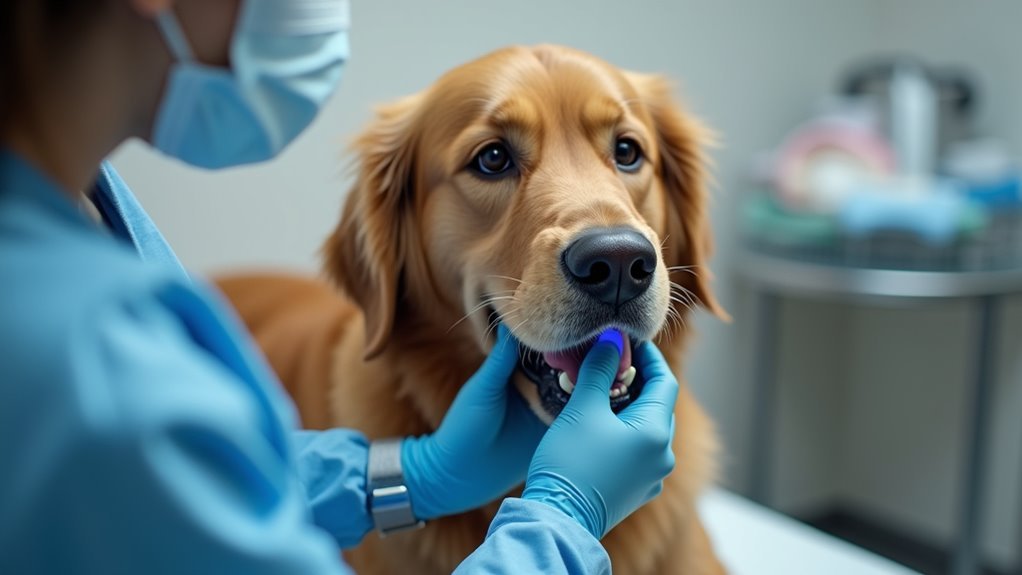

Bad breath in dogs often signals dental issues, digestive upset, or an internal health problem. Fishy or foul odors commonly come from tartar buildup, gum infection, or oral wounds. Oral cancers, kidney disease, and diabetes can also cause distinctive breath smells. Home checks can reveal swollen gums, loose teeth, or coated tongue, but veterinary exams and bloodwork catch less obvious causes. Many cases improve with dental care, targeted treatments, and simple daily habits to keep the mouth healthier.
Common Causes of Dog Bad Breath
Most of the time, dog bad breath starts in the mouth, and dental disease is the biggest reason via far. Still, you might notice other common causes too, and they can sneak up on you.
Behavioral causes like scavenging, eating poop, or begging for table scraps can leave strong odors. Environmental factors, such as trash, dirty water, or damp toys, can also add stink to your dog’s breath.
Some foods smell stronger after meals, especially fish-based diets. Should your dog chew bones, sticks, or toys, tiny wounds can trap odor.
Even digestive or body problems could show up as bad breath, so you’re not overreacting. You and your dog deserve relief, and finding the cause helps you both feel better fast.
Dental Disease and Gum Problems
When you notice your dog’s bad breath, plaque and tartar buildup are often the initial things to check because they trap bacteria right along the teeth and gums.
You might also see red, swollen, or bleeding gums, which can point to gingivitis and a sore mouth that needs care.
Should the problem keep going, advanced periodontal disease can set in and make the odor much worse, so it’s worth acting promptly.
Plaque And Tartar Build-Up
As plaque starts to build on your dog’s teeth, it can quickly turn into tartar, and that rough coating gives bacteria a cozy place to grow. You might notice stale breath because those germs release strong odors. Once tartar hardens, brushing can’t remove it well, so your dog needs daily care to stay ahead of it. A simple routine helps you feel on top of things together.
| Care step | Why it helps | Easy reminder |
|---|---|---|
| Brush daily | Scrubs away plaque | Use dog toothpaste |
| Enzymatic rinses | Break apart debris | Add after meals |
| Water additives | Limit bacteria | Mix into bowl |
| Vet cleaning | Remove hardened tartar | Keeps breath fresher |
Chews can help, but they can’t replace brushing.
Gum Inflammation Signs
Should your dog’s gums look red, puffy, or tender, that’s often a sign that dental disease is already stirring up trouble below the surface.
You might notice a weak redness assessment along the gumline, and your dog could pull away whenever you touch the mouth or chew.
Gentle bleeding can show up on toys, food, or after brushing, so bleeding prevention starts with prompt care.
Because inflamed gums trap more bacteria, bad breath can grow stronger fast.
You can help by checking the mouth frequently, brushing with dog-safe toothpaste, and booking a vet exam provided the color looks off or the gums seem sore.
Whenever you catch these signs sooner, you give your dog a better chance to stay comfy and close to you.
Advanced Periodontal Disease
You might also notice tooth mobility, root exposure, and even bone loss as the infection spreads below the gumline.
As the support weakens, your dog could chew on one side, drop food, or flinch whenever you touch the face.
In some cases, an oral fistula can form and let infection drain, which makes the odor even stronger.
That smell isn’t just gross, it signals trouble your dog can’t explain.
You can help through getting veterinary dental care fast, then keeping up with brushing, healthy chews, and regular checkups so your dog feels like part of the pack again.
Plaque, Tartar, and Tooth Decay
You could notice a sticky film on your dog’s teeth initially, and that’s plaque starting to build up.
In case it hardens into tartar, it can trap bacteria and lead to tooth decay, which often makes breath smell much worse.
Once you spot yellow-brown buildup, chipped teeth, or a stronger odor, it’s a sign your dog might need dental care soon.
Plaque Buildup Signs
Plaque buildup usually shows up initially as a thin, sticky film on your dog’s teeth, and it can quickly turn into harder tartar provided it stays there. You might notice a dull yellow edge, softer gums, or a sour smell that sticks around after meals. Because salivary composition changes how plaque clings, some dogs build it faster than others. | Sign | What You Might See | Why It Matters |
| — | — | — |
|---|---|---|
| Film | Fuzzy teeth line | Bacteria gather |
| Gum change | Red, tender gums | Irritation starts |
| Wear | Spotty enamel erosion | Teeth weaken |
If you spot these clues, you’re not alone, and your dog isn’t being stubborn. Brushing sooner helps you stay ahead of damage before decay gets a foothold. Gentle care, plus regular checks, keeps your dog’s mouth fresher and your bond stronger.
Tartar and Decay
As tartar builds up, it can lock in bacteria and food bits, then set the stage for tooth decay that smells worse over time. You might notice your dog’s breath turning sour, and you’re not imagining it.
- Hard tartar traps odor
- Bacteria feed on trapped debris
- Enamel hypoplasia can weaken teeth
- Decay can hide below the gumline
- Dental radiographs can reveal damage
When tartar stays on teeth, it irritates gums and helps decay spread.
You can’t always see the worst spots, because broken enamel or deep infection could sit under the surface. That’s why your vet might use dental radiographs to find trouble sooner.
With cleaning, tooth repair, and daily brushing, you can help your dog feel fresher and more comfortable.
Food and Diet Causes
Food can leave a bigger mark on your dog’s breath than many people expect. Should you’ve noticed a fishy or stale smell, look at what’s in the bowl initially. Fish-based meals, table scraps, and poor-quality diets can change odor fast.
Coprophagia, or eating feces, can make breath far worse, and scavenging in trash adds bacteria and stink. You can also try Novel proteins whenever your dog seems sensitive to one food, since they could help calm digestion.
Feeding frequency matters too, because smaller, regular meals can support steadier digestion and less mouthy odor. Balanced nutrition won’t fix every case, but it can help you feel less stuck and give your dog a fresher start.
Bad Breath After Eating
Assuming your dog’s breath kicks in right after a meal, don’t panic just yet. A little post meal odor can happen whenever food sticks around the mouth, but it should fade soon. In case it lingers, you might notice flavor persistence from strong foods or tiny bits trapped between teeth. You can help your buddy with:
- fresh water
- daily brushing
- chewing toys
- simple meals
- scent masking sprays
Start with a quick mouth check after dinner. Look for stuck kibble, gum redness, or something odd hiding near the back teeth. Then offer water and a safe chew. These small steps build comfort for both of you, and they can cut down on smell fast.
In the event the breath stays strong, your vet can help you figure out why.
Digestive Problems That Cause Bad Breath
Should your dog’s breath smells off and you also notice vomiting, diarrhea, gas, or a poor appetite, a stomach problem could be part of the reason.
Intestinal infections can also change breath odor because they upset digestion and let harmful bacteria build up.
And whenever liver or kidney problems are behind it, your dog’s breath might smell especially strong, so a vet check matters.
Stomach Upset Signs
When your dog has bad breath and a sour stomach seems to be part of the scene, the problem could go beyond the mouth and into the digestive tract. You might also notice stomach discomfort, appetite changes, drooling, or a gassy belly.
- Your dog might lick lips often.
- You might hear extra swallowing.
- Your dog might eat grass.
- Your dog might seem uneasy after meals.
- Your dog might pass soft stool.
These signs can point to upset digestion, and they often travel together. So, should the breath stays foul while your dog skips food or acts restless, trust what you’re seeing. You know your dog’s usual rhythm best, and small shifts matter. A vet check can help you sort out the cause and get your buddy feeling like part of the pack again.
Intestinal Infection Causes
Sometimes the bad breath you notice isn’t just a mouth problem at all. When intestinal infections upset your dog’s gut flora, odor can travel upward and make their breath smell sour or rotten.
Intestinal parasites can do the same by irritating the intestines and changing how food breaks down. You might also see loose stool, gas, a gurgly belly, or a dog who seems less inclined to eat.
These signs often show that the digestive tract is out of balance, not just the teeth. Because you want your dog to feel comfortable and fit in at home, it helps to watch for changes promptly.
Should the smell hang on, your vet can check stool samples and guide treatment so your dog can get back to feeling normal.
Liver And Kidney Issues
Liver and kidney problems can make your dog’s breath smell much worse, even though the real trouble starts inside the body. When hepatic malfunction slows toxin removal, you might notice a musty or foul odor. With kidney trouble, waste builds up, and that ammonia smell can really stand out. You’re not alone provided this scares you.
- Watch for vomiting or poor appetite
- Notice extra thirst or more peeing
- Look for yellow gums or eyes
- Check for tiredness or belly pain
- Call your vet should breath changes fast
Because bile accumulation can also upset digestion, your dog could seem nauseous or off food. A vet can assess blood and urine, then start treatment promptly, so you and your buddy can feel better together.
Can Kidney Disease Cause Bad Breath?
Yes, kidney disease can cause bad breath in dogs, and the smell is often hard to miss because it can seem sharp, stale, or like ammonia. Whenever your dog’s kidneys can’t clear waste well, those toxins build up and affect the mouth. You might notice an ammonia odor after sleep or after drinking. Should that smell lingers, ask your vet about renal diagnostics, since blood and urine tests can help confirm kidney trouble.
| Sign | What You Might Notice | Why It Matters |
|---|---|---|
| Breath | Sharp, chemical smell | Waste is building up |
| Drinking | More water than usual | Kidneys could struggle |
| Appetite | Less interest in food | Your dog might feel unwell |
You’re not alone in spotting this, and prompt care can help your dog feel better sooner.
Can Diabetes Cause Bad Breath?
Breathing out a fruity or sweet smell can be a clue that diabetes is affecting your dog’s body. Whenever sugar stays high, the body might burn fat for fuel, and that can create ketones and a distinct odor. This is called diabetic ketosis, and it can show up in your dog’s breath. You’re not alone should this feel worrying, but you can help your dog with steady insulin management and vet care.
- Watch for sweet breath after meals
- Keep insulin doses on schedule
- Track appetite and water intake
- Ask your vet about ketones
- Support regular glucose checks
These steps help you and your dog stay on the same team, with less guesswork and more peace of mind.
Warning Signs Your Dog’s Breath Is Serious
Whenever your dog’s breath suddenly turns strong, it can feel easy to brush off, but some smells mean something more serious is going on. Should you notice a rotten, ammonia, or sweet odor, don’t ignore it.
Whenever bad breath comes with drooling, pawing at the mouth, trouble eating, swollen gums, or bleeding, your dog might need help soon. You might also spot behavioral cues like hiding, chewing on one side, or acting less playful. These changes often mean pain, not just dirty teeth.
Should your dog’s breath stays harsh after brushing, or you see a lump, broken tooth, or stuck object, take it seriously. Even a quick oral sampling of the smell can help you notice whenever it shifts, and that shift matters.
How Vets Find the Cause
A bad smell can point to a real problem, and vets use a careful exam to figure out where it’s coming from. You’re not alone whenever your dog’s breath turns stubborn. Your vet will check the mouth, gums, teeth, tongue, and throat initially, then look for clues beyond the mouth. An oral swab can show harmful bacteria, and breath analysis could hint at kidney, diabetes, or liver issues. They might also ask about diet, chewing habits, and any garbage raids.
- dental plaque and tartar
- sore gums or broken teeth
- foreign bodies or mouth injuries
- oral lumps, infection, or bleeding
- signs of body disease
This step helps your vet connect the odor to the real source, so you and your pup can move forward with confidence.
How to Treat Dog Bad Breath
Treating dog bad breath starts with finding the real cause, because the fix for a dirty mouth is very different from the fix for kidney trouble or diabetes. Should plaque or gum disease be behind it, your vet might clean the teeth and polish them, then guide you on daily brushing with canine toothpaste.
In the event you’re coping with mouth sores, a stuck stick, or a sore tooth, your vet must remove the problem and treat infection fast.
For dogs with diet-related odor, tighter meal choices help, and behavioral training can curb scavenging and stool eating. You can also ask about safe dental chews or herbal rinses, however they work best with vet care.
Once breath changes suddenly, don’t shrug it off, because your dog needs support.
How to Prevent Dog Bad Breath
The best way to keep your dog’s breath fresh is to stop bad breath before it starts, and that means building simple care into your daily routine.
- Brush teeth with canine toothpaste.
- Offer dental chews after meals.
- Keep fresh water nearby every day.
- Ask your vet about water additives.
- Schedule professional cleanings on time.
You also help by feeding balanced food and skipping sticky scraps.
Should your dog loves trash like a tiny raccoon, keep bins locked.
Then watch for gum redness, loose teeth, or a weird smell that hangs around.
These small habits build a healthier mouth and a happier bond, so you both can lean in close without flinching.
Frequently Asked Questions
Can Puppies Have Bad Breath From Teething?
Yes, your puppy can have bad breath from teething as milk teeth erupt and gum inflammation develops. You may notice a temporary odor, increased drooling, and more chewing. If the breath remains strong or worsens, have your veterinarian check it.
Does Stress Ever Make a Dog’s Breath Smell Worse?
Yes, stress can make your dog’s breath seem worse because stress hormones and behavioral changes might reduce chewing, licking or grooming, allowing bacteria to build up. If it persists, have your vet check for another cause.
Can Medication Cause Bad Breath in Dogs?
Yes, medication can cause bad breath in dogs. You may notice antibiotic side effects or lingering drug metabolites changing mouth odor. If it does not pass, your veterinarian can check for dental or systemic issues.
Is Bad Breath More Common in Certain Dog Breeds?
Yes, some breeds seem more prone, especially Brachycephalic breeds and dogs with Spaniel predisposition. Should you ever ponder whether your pup’s face shape traps more odor, you are probably right, and you are not alone.
Can Dehydration Make My Dog’s Breath Smell Bad?
Yes, dehydration can make your dog’s breath smell worse because a dry mouth reduces the saliva that normally helps wash away bacteria. If you notice signs of kidney problems or an oral infection, contact your veterinarian for advice.