

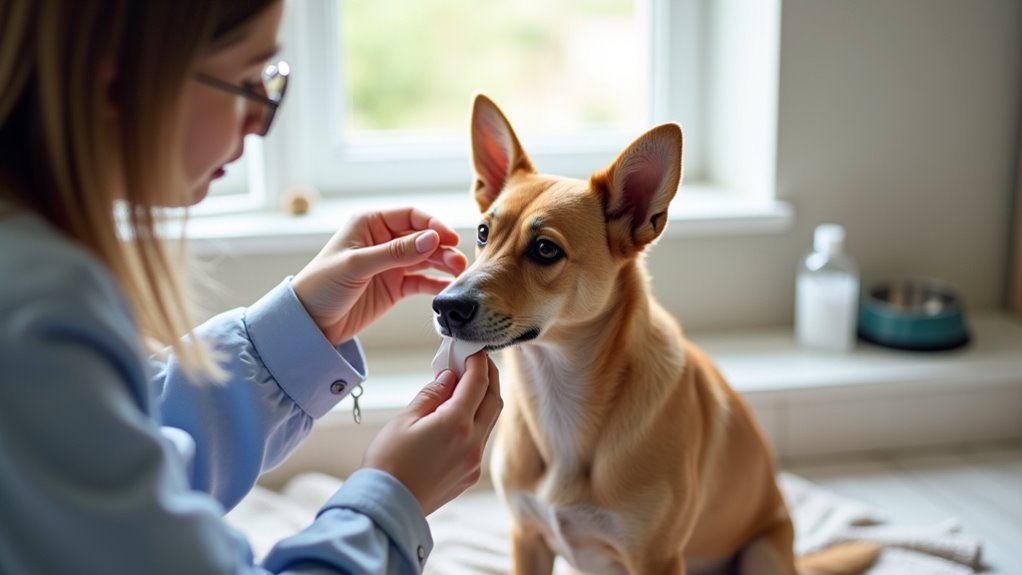

A dog’s runny nose can signal simple causes or more serious problems. Clear, watery discharge often points to allergies, irritation, or excitement. Thick, yellow or green mucus suggests bacterial infection or foreign material. Blood-tinged or unilateral discharge can indicate dental disease, trauma, or a lodged object. This article explains common causes and basic steps to help your pet feel better and when veterinary care is needed.
Is Your Dog’s Runny Nose Serious?
A runny nose in your dog is often harmless, but it can also be a clue that something needs attention. You know your dog best, so trust that gut feeling whenever the change lingers or seems off.
Clear drips from seasonal triggers, like pollen or dust, often stay mild and come and go. But thick mucus, blood, one-sided flow, sneezing fits, or low energy can point to a bigger problem. That’s where owner vigilance matters.
Should your dog keep wiping, loses appetite, or breathes with effort, call your vet sooner rather than later. Quick attention helps you protect your dog and keep your home pack feeling calm, safe, and cared for.
What Causes a Dog’s Runny Nose?
Pinpointing the cause of your dog’s runny nose starts with the type of discharge you see and the other signs that show up with it.
Clear, watery drip often comes from seasonal allergens, dust, smoke, or simple irritation after exercise.
In case your dog keeps sneezing or rubbing the face, you might be contending with a stuck seed, dental trouble, or a nasal infection.
Thick mucus points more toward infection, while a one-sided drip can hint at a foreign object or a structural problem.
Some dogs also have a genetic predisposition to nasal issues, so their noses react more readily.
You know your dog best, so trust changes that don’t fit their usual self.
If the runny nose hangs on, you deserve answers and your dog deserves relief.
What Different Nose Discharge Colors Mean
The color of your dog’s nasal discharge can tell you a lot about what’s going on, and it often gives the initial real clue about whether you’re coping with simple irritation or something that needs treatment. Clear discharge often fits allergies or mild irritation. Yellow or green mucus usually points to infection, while pink or red-tinged fluid can suggest bleeding or strong inflammation. Use this quick guide:
| Color | Meaning |
|---|---|
| Clear | Allergy, dust, or warm exercise |
| Yellow or green | Infection, thicker mucus |
| Blood-tinged | Trauma, irritation, or a more serious issue |
Odor significance matters too. A bad smell can hint at infection, dental trouble, or trapped debris. In case the discharge stays one-sided, thickens, or changes fast, you’re not overreacting around paying attention. Your dog depends on you to notice these small signals prematurely.
How Vets Diagnose a Runny Nose
Whenever your dog’s nose keeps running, vets usually start with the basics and work outward. They’ll ask about your dog’s allergy history, recent sniffing exploits, and any cough, fever, or sneezing.
Next, they inspect the nose, mouth, and teeth, because a concealed dental problem can sneak up like an uninvited guest. The discharge’s color, smell, and whether it’s one-sided or both-sided give more clues.
Vets might then do nasal cytology, which checks cells and germs under a microscope. Should infection or a foreign body still seem likely, they could recommend imaging, cultures, or a deeper look inside the nasal passages.
This step-by-step approach helps your vet narrow the cause without guessing, so you can feel more confident and less worried.
How Vets Treat a Dog’s Runny Nose
Your vet will start with a gentle exam and ask about your dog’s symptoms, because the pattern of the discharge can point to the cause.
Then they might run exams like dental checks, infection screening, or imaging to find what’s really going on.
After that, treatment can range from simple home care and medications to removing a foreign object or treating a dental problem, and most dogs start to feel better once the cause is addressed.
Veterinary Exam Steps
During a vet visit, your dog’s runny nose starts with a careful exam that helps sort out a simple irritation from something more serious. You’ll likely see your vet check the nose, mouth, teeth, eyes, and breathing, then ask about color, timing, and whether one side seems worse. That detail matters, and you’re not alone in feeling worried.
- They look for swelling or pain.
- They check the teeth for concealed infection.
- They might suggest nasal endoscopy for a close view.
- They could use cranial imaging should they suspect deeper trouble.
These steps help your vet choose the next move with confidence. So you can breathe a little easier while your dog gets the care that fits your family.
Diagnosis And Testing
Once the exam points your vet toward a likely cause, assays helps confirm it and rule out the sneaky problems that can conceal behind a simple runny nose. You’ll often see trials move in a step-by-step order, so you’re not guessing alone.
| Test | What it shows |
|---|---|
| Nasal cytology | Looks for bacteria, yeast, or inflammation |
| Allergy testing | Checks for triggers like pollen or dust |
| Dental X-rays | Finds concealed tooth root trouble |
| Imaging or scope | Spots foreign bodies, masses, or polyps |
Your vet might also collect swabs or blood samples, then match results with your dog’s symptoms. Clear discharge points one way, while thick or one-sided drainage points another. This careful approach helps your vet build a plan that fits your dog and keeps you both on steady ground.
Treatment And Recovery
Treatment starts with the cause, because a runny nose in dogs is a sign, not the problem itself. Your vet might give antibiotics, antifungals, or remove a stuck seed, so your dog can breathe easier and feel safe again. Whenever allergies or irritation are to blame, you’ll likely get advice on cleaner air, humidifier use, and fewer scents at home.
- Gentle nose wiping helps comfort your pup.
- Fluids and rest support healing.
- Dental care fixes concealed pain.
- Imaging can catch serious blockages fast.
During recovery, watch for eating, energy, and steady breathing. You’re not handling this alone, and that matters. Avoid herbal remedies unless your vet states they’re safe, because “natural” doesn’t always mean kind. Should signs return, call quickly, since your dog deserves prompt care and relief.
How to Care for Mild Nasal Discharge at Home
Whenever your dog has a mild runny nose, you can often help them feel more comfortable at home while you keep a close eye on things. To start, wipe the nostrils with a soft, warm cloth, and use gentle saline if the skin looks crusty.
Next, offer fresh water often, since good hydration can thin mucus and help your dog breathe easier. You can also run humidifier sessions in a small room for short periods, or let your dog rest in a steamy bathroom after a hot shower.
Keep the air clean and skip strong scents or smoke.
Watch for sneezing, thicker mucus, or a nose that stays wet on one side. Should your dog seem tired, won’t eat, or worsens, call your vet quickly.
How to Prevent Future Runny Noses
You can often prevent a lot of future runny noses provided you make small changes to your dog’s daily routine, because the nose usually reacts initially to things in the air, the home, and the body itself.
Whenever you stay ahead of those triggers, your dog feels safer, and you feel more in tune with each other.
- Use Air purifiers to cut dust, smoke, and scent buildup.
- Keep bedding, floors, and crates clean so allergens don’t linger.
- Choose Seasonal grooming to remove loose fur, pollen, and debris.
- Keep vaccines and parasite prevention current, then call your vet fast should sneezing returns.
These habits help you protect your dog’s comfort without turning life into a chore.
A calmer home, cleaner air, and steady care make your dog feel like part of a healthy pack.
Frequently Asked Questions
Can a Dog’s Runny Nose Be Caused by Weather Changes?
Yes. Weather changes can trigger it, such as a shifting breeze stirring up dust. You may notice seasonal allergies or humidity effects causing your dog’s nose to drip. If it lingers, call your vet.
Is One Nostril Always Worse Than the Other?
No, one nostril isn’t always worse. You’ll often notice nasal asymmetry when a foreign object, dental issue, or growth blocks one side. Your dog could show breathing preference, but persistent one sided discharge requires vet care.
Do Certain Dog Breeds Get Runny Noses More Often?
Yes, some breeds, especially brachycephalic breeds, can seem like little lanterns with more nasal drips because their shortened airways and genetic predisposition make you notice irritation, congestion, and drainage more often than in other dogs.
Can Stress Make My Dog’s Nose Run?
Yes, stress can make your dog’s nose run by triggering behavioral responses and immune suppression, which might worsen irritation or infections. You can help with calm routines, but persistent discharge needs your vet’s attention.
When Should I Clean My Dog’s Nose?
You should clean your dog’s nose as discharge appears, using gentle wiping with a warm, moist cloth; saline rinses can help too. Of course, the nose picks now to turn glamorous, not helpful.