

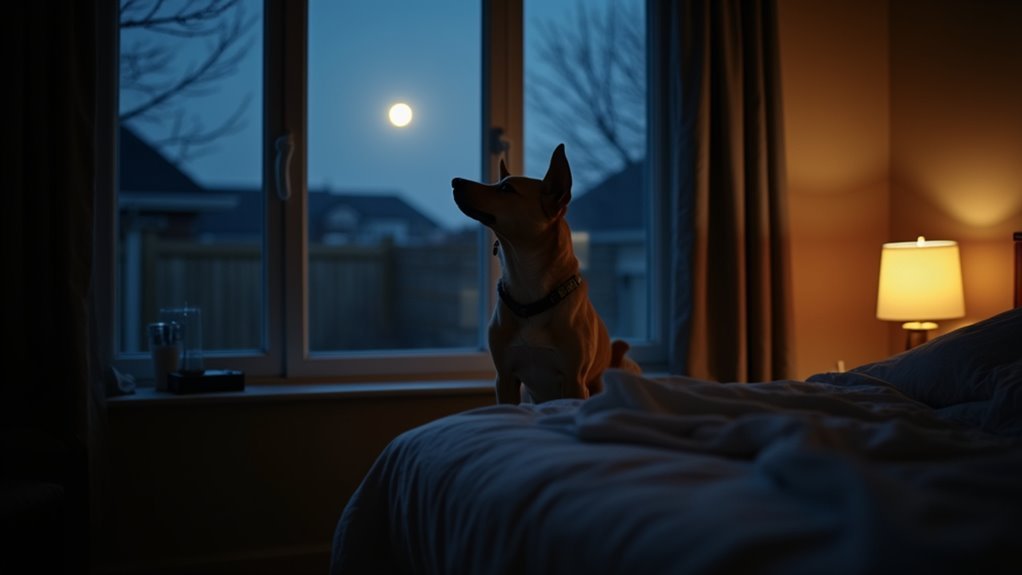

Your dog barks at night because something in the environment triggers a response and needs attention. Common causes include noises outside, loneliness, excess energy, stress, or physical discomfort. Identifying the specific trigger helps pick the right solution for calmer nights. Simple adjustments to routine, environment, or health care can reduce nighttime barking. This guide offers clear, practical steps to stop disruptions and restore quiet.
Why Does My Dog Bark at Night?
Most of the time, a dog barks at night because something feels different in the dark. You could notice it whenever your dog changes sleep position, lifts its head, and starts to vocalize. That’s often a sign it’s reacting to sounds, smells, or a small shift in routine.
In case you do bed sharing, your dog can also feel safer nearby and bark less when it senses you close. But when it’s alone, it can feel unsure and speak up.
Nighttime barking can also grow when your dog feels tense, bored, or extra alert. So, instead of believing your dog is being stubborn, keep in mind it could just be asking for comfort, calm, and a little more connection before sleep.
Common Causes of Nighttime Barking
Your dog could bark at night because it hears noises you can’t, like cars, wildlife, or voices outside.
It perhaps also feel anxious whenever the house gets quiet or whenever you’re out of sight.
Sometimes, your dog is just reacting to movement near windows or guarding what it believes is its space.
Environmental Noises
Once the house gets quiet at night, even small sounds can wake a dog’s alert system fast. Your dog might hear wildlife, passing cars, distant voices, sirens, or a neighbor’s door long before you do. That’s why nighttime barking often feels sudden.
Near windows or outdoor-facing beds, those sounds and sights hit harder, so your dog could react with a quick warning bark. You can help through using soundproofing tips like heavier curtains, white noise, and closing gaps under doors. Neighborhood mapping also helps you spot repeat triggers, such as late traffic or nightly dog calls.
Then you can move your dog’s bed, soften outside noise, and make the room feel safer. With a calm setup, your dog might relax and stay settled.
Separation Anxiety
Sometimes the barking isn’t about outside noise at all. In case you leave your dog alone at bedtime, separation anxiety can make the night feel scary and empty. Your dog might bark, whine, or howl because they miss your owner presence and want reassurance. You can help through keeping a steady bedtime routine, offering a worn T-shirt with your scent, and letting your dog sleep closer to you whenever possible. A calm walk and quiet cuddle time can also lower stress.
Should the barking keeps going, talk with your vet about behavior support and medication options. With patience, you can build a safer, cozier night for both of you, and your dog can learn that being apart doesn’t mean being abandoned.
Territorial Alerts
A sharp bark in the dark often means your dog believes something needs attention. You’re not handling bad manners alone. Your dog might be doing a perimeter patrol, listening for sounds outside, and marking the boundary around home. That alert instinct can grow stronger at night whenever the world gets quiet.
- Should your dog hears footsteps, wildlife, or a car, it could bark to warn you.
- Should it sees movement near windows, it could react fast and stay on guard.
- Should another dog barks nearby, your dog could join in and keep the watch going.
You can help through closing curtains, using white noise, and giving calm praise when your dog settles. That way, your dog still feels like part of the team.
How Boredom Fuels Night Barking
Whenever your dog doesn’t get enough exercise or play, that extra energy often spills out as barking once the house gets quiet.
You might notice the noise gets worse at night because boredom leaves your dog with nothing better to do. A few more walks, training games, or puzzle toys can help your dog settle down and rest easier.
Boredom Triggers Night Barking
If your dog howls at night, boredom could be quietly driving the behavior. You’re not alone, and this happens whenever the day feels empty and your dog still has energy left.
Try a simple evening plan:
- Give a brisk walk before bed.
- Offer interactive toys that make your dog ponder and chew.
- Add scent work, like hiding treats around one room.
These small steps help your dog settle and feel included in the family rhythm. Once you meet that need for activity, your dog’s body relaxes more easily after the house gets quiet.
Keep the routine steady, because your dog learns best whenever nights feel familiar, calm, and safe.
Mental Stimulation Matters
Because your dog’s brain needs work just as much as his body, mental stimulation can be the missing piece that keeps nighttime barking from taking over. Whenever you add evening enhancement, you help him burn energy in a calm, useful way, so the house feels quieter and safer for everyone. Try interactive puzzles, scent games, and short training sessions before bed. They give his mind a job and can ease the restless “what’s next?” feeling that fuels barking.
| Activity | Time | Benefit |
|---|---|---|
| Puzzle feeder | 10 min | Focuses attention |
| Hide and seek | 5 min | Uses natural instincts |
| Trick practice | 5 min | Builds calm fatigue |
If you make this part of your routine, you and your dog can settle in together with less stress and more sleep.
Nighttime Anxiety and Separation Issues
Nighttime anxiety can make a dog seem restless, needy, or suddenly loud, and it often shows up most clearly at bedtime.
Whenever you leave the room, your dog might feel alone and unsafe, so barking becomes a way to call you back. To help your dog settle, try:
- crate familiarity before bed, so the space feels safe.
- scent swapping with a worn shirt, which can comfort your dog.
- a steady routine with a final potty break and calm praise.
You could also sleep nearby for a while provided your dog needs extra reassurance. Keep your reactions soft and brief, because big attention can feed the worry. With patience, you’ll help your dog feel like the night is manageable, not lonely.
Why Dogs React to Sounds After Dark
At night, your dog can hear tiny sounds that you may miss, like a car rolling past or a distant voice.
Because the world gets quieter after dark, those little noises stand out more and can make your dog feel alert fast.
Should your dog bark at night, you’re often seeing a natural response to sharper hearing and a stronger sense of watchfulness.
Heightened Night Hearing
Dogs often hear the world more sharply after dark, and that can make even a tiny sound feel like a big event. Your dog’s heightened audition means a car door, a rustle in the yard, or a distant voice can stand out fast. That’s part of nocturnal sensitivity, and it can make your buddy feel on guard when the house gets quiet.
- Soft sounds seem closer.
- Fewer daytime noises make alerts pop.
- Some breeds notice more than others.
When this occurs, you might hear barking before you see any cause. You’re not alone, and your dog isn’t being dramatic. A calm room, closed curtains, and steady background sound can help your dog settle into the night with less worry and greater comfort.
Dark-Time Alertness
Because the house gets quieter, your dog could notice sounds you barely register and react as though they matter a lot. In that stillness, nocturnal vigilance kicks in, and even a far-off car, rustling wildlife, or a neighbor’s voice can sound urgent.
Your dog might also lean into low light sensitivity, so shadows and vague movement feel less certain and more worth guarding. Should your pup sleeps by a window or outside door, those tiny cues can seem bigger after dark. That’s why bark responses often arrive fast, loud, and proud, like your dog’s on neighborhood watch.
You can help through lowering outside noise, closing curtains, and keeping bedtime calm. Once you do, your dog feels safer, and nights start to feel less like a shift.
Medical Causes of Night Barking
Once your dog starts barking at night, it’s easy to assume something outside must be wrong, but a medical issue can also be the real cause. You know your dog best, so trust sudden changes.
- Pain from an injury or sore joint can make rest feel impossible.
- Neurological disorders might confuse your dog and trigger random barking.
- Endocrine imbalances can upset sleep and raise agitation.
If your dog also seems restless, disoriented, or less steady, call your vet. These signs don’t mean you did anything wrong. They just mean your dog needs care and perhaps a closer look.
Whenever you act promptly, you help your dog feel safer, and you protect the calm you both deserve at night.
How Age Affects Nighttime Barking
As dogs grow older, nighttime barking can change from an occasional nuisance into a sign that something inside their body or mind feels off.
With senior dogs, you might notice more calling out once darkness settles, because aging can make sounds feel bigger and rooms feel stranger. Hearing loss could leave your dog startled by small noises, while aches can make resting harder. Age related anxiety can also build, so your dog might seem less settled when you’re not nearby.
Should your older dog bark more after sundown, watch for confusion, pacing, or stiff movement. You know your buddy best, and small changes matter. A vet check can help you sort out what’s normal aging and what needs care, so your dog doesn’t face the night alone.
Set Up a Calmer Bedtime Routine for Night Barking
A steady bedtime routine can often calm a dog before the house gets quiet, and that calm start makes nighttime barking less likely.
You help your dog feel safe whenever you do the same steps each night. Keep the flow simple:
- Offer a short toilet break and a quiet pause.
- Dim the lights with gentle lighting cues so your dog knows sleep is near.
- Add a bedtime scent, like a familiar blanket, to build comfort.
Then lead your dog to the same resting spot and speak softly.
You’re not just filling time. You’re giving your dog a clear signal that the day is done. That predictability helps your dog relax, settle in, and feel like part of the pack.
Reduce Night Barking With Daily Exercise
Tired dogs are usually quieter dogs, and daily exercise can take a lot of the edge off before bedtime. Whenever you build in steady movement, you help your dog burn off extra energy that could turn into nighttime barking. Try post dinner walks, a brisk romp in the yard, or even evening fetch to give your dog a healthy outlet.
Should your dog gets enough activity, it’s easier for them to relax once the house gets still. Keep the pace matched to your dog’s age and health, so the fun stays safe and enjoyable. A little daily effort can make your evenings calmer and help your dog feel more settled, more content, and more at home with you.
Use Training to Reduce Night Barking
Training gives your dog a clear job at bedtime, and that simple shift can ease a lot of night barking. You’re not being strict; you’re helping your dog feel settled and included. Start with crate training should your dog already sees the crate as a safe den. Then teach a quiet cue like “settle” and reward calm pauses before barking starts.
- Practice the cue in daytime, then use it at night.
- Keep rewards small and timely.
- Fade cues slowly so your dog keeps the habit.
When you stay calm and consistent, your dog learns what earns praise. That sense of teamwork can ease worry and make your nights feel more peaceful.
When It’s Time to Call Your Vet
Should your dog start barking at night all of a sudden, or the barking keeps getting worse, it’s time to call your vet. You know your dog best, and a quick veterinary assessment can bring real relief for both of you. Night barking can point to pain, hearing changes, anxiety, or aging issues, and only a vet can sort that out clearly.
| What you notice | What it might mean |
|---|---|
| Sudden night barking | Pain or illness |
| Elder dog seems confused | Cognitive change |
| Barking with whining | Fear or distress |
Ask for pain screening should your dog seems stiff, restless, or off. Whenever you reach out promptly, you protect your dog and help your household feel calm again. Your vet can guide the next step with care.
Prevent Future Nighttime Barking
After you’ve ruled out medical concerns, you can make a few steady changes that help stop night barking before it starts. Your dog feels safer whenever bedtime stays calm and familiar, and that sense of belonging matters.
Try this:
- Use environmental modification through closing curtains, moving the bed away from windows, and adding white noise.
- Build a short routine with a potty break, light play, and quiet time.
- Should your dog still seem tense, ask your vet about pheromone therapy.
You can also give your dog a cozy spot with soft bedding and a shirt that smells like you. Keep nights predictable, because sudden changes can stir worry fast.
As you respond with patience, you help your dog relax and learn that bedtime is a safe, shared moment for your family.
Frequently Asked Questions
Can Certain Breeds Bark More at Night Than Others?
Yes, some breeds bark more at night because of breed tendencies and genetic predisposition. You’ll often notice this in guarding or hunting dogs. Your dog isn’t alone; it is simply wired to alert, protect, and communicate.
Is Night Barking Normal in Puppies?
Yes, puppy night barking is usually normal at first; you’re both adjusting, and that shared restlessness can feel surprisingly comforting. It could reflect separation anxiety or immature sleep cycles. Keep routines steady, and reassure them gently.
Should I Ignore My Dog When It Barks at Night?
Yes, you should usually ignore the barking provided it is clearly for attention, because rewarding it teaches night barking. Pair ignore training with sleep reinforcement: reward quiet, calm moments, then keep a predictable bedtime routine and comfort.
Can My Dog’s Sleeping Location Affect Nighttime Barking?
Yes, your dog’s sleeping spot can matter. If she is near windows, nearby wildlife, or drafts, she might bark more. I once moved a bed two feet; it felt like turning down a radio, improving temperature comfort.
How Long Is Too Long for Nighttime Barking?
Too long is more than a few minutes repeatedly, or any excessive duration with restless pacing. You should check triggers, comfort, and routine. If it is sudden, persistent, or worsening, seek veterinary help.