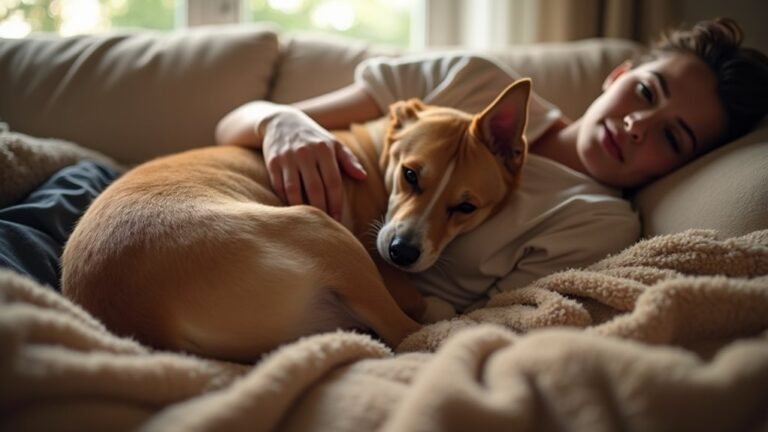

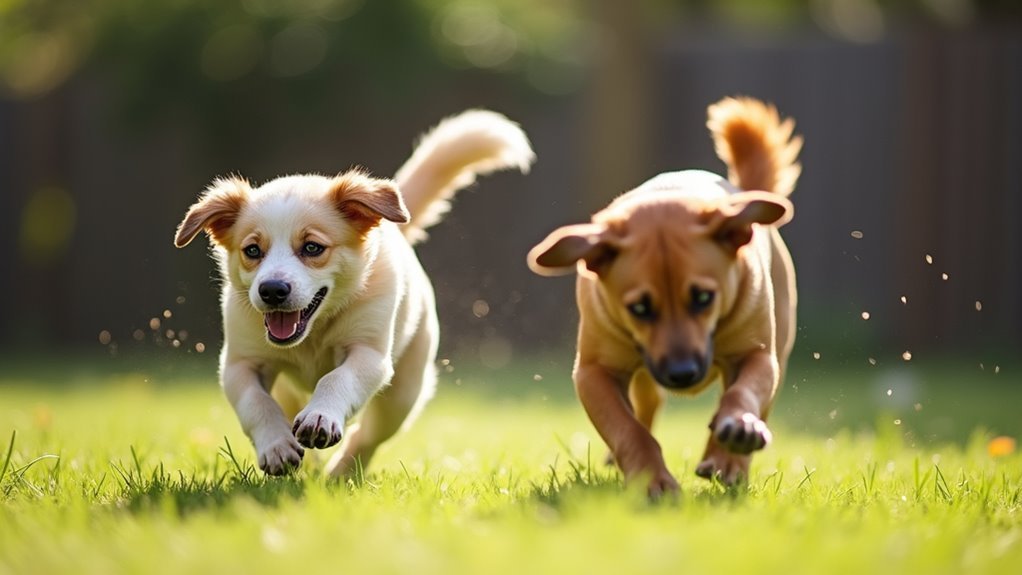

Dogs sneeze during play mostly because of excitement or a way to communicate friendliness. A quick sneeze can be triggered by bumped noses, dust, grass, or loose fur. Pay attention to surrounding body language to tell whether the sneeze is playful or signals discomfort. A loose, bouncy posture usually means play; stiffness or avoidance suggests stress or irritation. Occasional sneezes are normal, while persistent or severe sneezing deserves veterinary attention.
Why Dogs Sneeze When Playing
Dogs often sneeze while playing because their bodies are excited, their noses get tickled, and they’re trying to send a friendly message at the same time.
Whenever you see this, you’re usually watching your dog blend scent exploration with fast, playful movement. Grass, dust, fur, or a bump from another muzzle can spark a quick sneeze.
At the same time, your dog might be signaling, “I’m just having fun,” so the game stays light and balanced. That little burst can also fit into social hierarchy, since dogs use body language to show cooperation and keep play polite.
Is Play Sneezing Normal?
Yes, play sneezing is usually normal, and you’ll often notice it whenever your dog gets excited during wrestling, zoomies, or rough play.
It can act like a friendly signal that says, “I’m just playing,” while also helping your dog keep the mood light.
Still, you should pay attention provided the sneezing keeps happening outside play or comes with other signs like discharge, scratching, or breathing trouble.
Normal Play Signals
Play sneezing is usually normal, and it’s often a sign that your dog is having a good time. You might notice it during wrestling, zoomies, or happy greetings. These play signals help your dog show friendly intent, not tension.
A sneeze can work like one of those soft greeting cues that says, “I’m here to play.” It could also help your dog keep the game fair when things get wild. You’ll often see loose body language, wagging tails, and quick bursts of sneezes together.
Sometimes the nose gets tickled by fur, dust, or fast movement, too. So if your dog sneezes in the middle of fun, you can usually smile and keep joining the game.
When To Worry
Usually, a sneeze during play is nothing to panic about, and it often means your dog is excited, not sick. You can relax whenever it happens in quick bursts during wrestling, zoomies, or happy greetings.
Still, you should pay attention provided the sneezing keeps going after play stops, or in case you notice nosebleeds, discharge, coughing, or low energy. That’s at the point a closer environmental assessment helps you spot dust, pollen, grass, or a tiny foxtail.
With long term monitoring, you can see whether the pattern stays tied to fun or starts showing up at rest. Should your dog still act cheerful and bouncy, you’re probably seeing normal play behavior. In the event anything feels off, trust your gut and check in with your vet.
What Play Sneezing Signals
A happy sneeze can say a lot in the middle of a wild game. You’re seeing play signals, not trouble, and that can help you relax. These social cues tell your dog friend, “I’m having fun, not fighting.” They also help both dogs keep the game fair and friendly.
- It can show excitement and energy.
- It can invite more play.
- It can calm rough wrestling.
- It can say, “Ease up a little.”
When you notice a quick sneeze during zoomies or tugging, look for the whole moment, not one sound. Provided the game stays loose and happy, your dog’s sneeze is part of normal canine talk. That tiny burst of air can keep the fun going and help everyone feel like they belong.
Body Language That Changes the Meaning
As you watch the whole scene, the meaning of a sneeze can change fast with your dog’s body language. Should your dog keeps soft eye contact, wags loosely, and bounces back into play, the sneeze usually fits the fun. You can relax and join the moment.
But suppose you notice stiff posture shifts, a frozen stance, or a hard stare, the same sneeze might mean your dog wants a little more space. Pay attention to the whole message, not one sound alone.
Loose ears, a wiggly body, and quick returns to play usually show comfort. Meanwhile, tension, tucked movement, or a sudden turn away can tell you the tone has changed. As you read these cues together, you help your dog feel seen and safe.
Common Causes of Sneezing During Play
You might notice your dog sneezes whenever play gets loud or exciting, and that’s often just a normal burst of happy energy.
Dust, dirt, pollen, or even a nose full of flying fur can tickle those tiny nasal passages and trigger a quick sneeze.
Excitement and Playfulness
Excitement is one of the most common reasons dogs sneeze during play, and it usually means their energy is running high, not that something is wrong.
Whenever you join the fun, your dog might send joyful vocalizations, bounce with playful pacing, and sneeze as part of that happy rush. It can help to believe of it as a social cue, not a problem.
- Your dog gets extra amped.
- The sneeze can ease tension.
- It can say, “I’m just playing.”
- It can invite more friendly fun.
Dust and Irritants
Out in the middle of a lively game, a dog’s sneeze can happen because dust and other tiny irritants get kicked up into the air. Whenever you chase, wrestle, or zoom across the yard, you stir up airborne particles that can tickle your dog’s nose. That quick burst can lead to a sneeze, and sometimes a little nasal inflammation too.
You may notice it more on dry ground, near leaves, or around grass. Your dog isn’t being dramatic, and you’re not missing a secret warning sign. Usually, the sneeze is brief and passes fast, almost like the nose saying, “Whoa, too much!” Provided it keeps happening after play, though, you should check for dirt, pollen, or other irritants.
When Play Sneezing Points to Illness
Whenever a playful sneeze starts to feel different, concern can creep in fast, but the clues are usually clear provided you know what to watch for. You’re not overreacting should the sneezes keep showing up outside play, or in case your dog seems tired, stuffy, or uncomfortable.
- Watch for sneezing at rest.
- Notice thick or bloody discharge.
- Check for face rubbing or pawing.
- Listen for noisy breathing.
Should these signs stick around, the issue could be more than a game. Chronic rhinitis can irritate the nose, and nasal tumors can cause repeated sneezing too.
You belong to the group of caring owners who notice small changes promptly, and that matters. Once play sneezes lose their short, silly pattern, your dog might be asking for a closer look from you.
What to Do About Frequent Sneezing
Whenever your dog starts sneezing a lot, it helps to slow down and look at the full image, not just the noise.
To begin, notice whenever it happens. Should sneezing flares up after outdoor play, trim back dusty areas and use environmental modifications, like rinsing bedding and wiping paws.
Next, check your home for triggers. Better air filtration can lower pollen, dander, and fine dust that sneak into the nose. You can also keep windows closed on high-pollen days and avoid strong sprays.
In case your dog keeps sneezing outside play, or you see discharge, rubbing, or low energy, call your vet soon. That way, you protect your dog and keep your pack feeling calm, safe, and understood.
Sneezing During Play in Puppies
Puppy play sneezes can look a little odd at initially, but they’re usually a normal part of happy, noisy puppy life.
You might hear one during zoomies, wrestling, or a bouncy chase, and it often means your puppy feels excited, not upset.
In early socialization, this tiny burst can help your pup learn friendly give-and-take with other dogs and people.
It also fits key developmental milestones as your puppy practices body control and social cues.
- It can show playful excitement.
- It can signal, “I’m safe.”
- It might soften rough play.
- It can invite more fun.
When to Call Your Vet About Play Sneezing
Most play sneezes are harmless, but you should pay closer attention provided the sneezing starts happening outside of play, keeps going after the fun ends, or comes with other signs that something’s wrong. Should your dog also has discharge, coughing, pawing at the nose, or trouble breathing, book a veterinary consultation soon.
| Sign | What it could mean | Your next step |
|---|---|---|
| Sneezing at rest | Irritation or illness | Call your vet |
| Blood or thick mucus | Possible injury | Seek care fast |
| One-sided sneezing | Foreign object | Go in today |
| Lethargy | Bigger problem | Don’t wait |
| Not sure | Peace of mind | Check insurance coverage |
Trust your gut. Were your buddy seems off, getting help early can keep your dog comfortable and your worries lighter.
Frequently Asked Questions
Can Play Sneezing Happen During Zoomies Only?
No, you’ll often see play sneezing beyond zoomies too; about 1 in 3 playful dogs use it in wrestling or greetings. You’ll notice brief, short bursts as friendly signals during lively, social play.
Does My Dog Sneeze to Invite More Rough Play?
Yes, your dog may sneeze as a play invitation, using play signaling to say “keep going” or “I’m friendly.” You will usually see loose body language, wagging, and brief sneezes during energetic wrestling or zoomies.
Why Do Some Dogs Sneeze During Excited Greetings?
You may see a greeting sneeze because your dog’s excitement spills over like a spring burst; it’s a friendly excitement signaling cue, and your pup’s saying, “I’m happy, come closer, we’re good.”
Can Play Sneezing Tell Another Dog to Slow Down?
Yes, you can read play sneezing as a play signal that tells another dog to slow down. It is not a stress indicator; it usually says, “We are still buddies, but ease up a bit.”
Is One Sneeze Usually Enough to Mean Normal Play?
Yes, a single sneeze can be enough to signal normal play, especially provided your dog stays loose and waggy. But circumstance matters: watch for repeated sneezes, stress, or irritation too.