


A good dog fence for your yard in 2026 keeps pups secure, fits your space, and stands up to the weather.
Rustproof panels and tight spacing work well for small dogs and puppies.
Some fences are better around garden beds or tricky corners.
The best choice depends on your yard and your dog’s habits.
| Animal Barrier Fence Rustproof Metal Wire Garden Border |  | Best for Gaps | Fence Type: Animal barrier fence | Panel Count: 10 panels | Total Length: 10.83 ft | VIEW LATEST PRICE | Read Our Analysis |
| OUSHENG Decorative Garden Fence 10-Pack Rustproof Metal Panels |  | Best Decorative | Fence Type: Decorative garden fence | Panel Count: 10 panels | Total Length: 10.8 ft | VIEW LATEST PRICE | Read Our Analysis |
| Goovilla Garden Fence 10ft x 24in 10 Panels |  | Best Height | Fence Type: No-dig garden fence | Panel Count: 10 panels | Total Length: 10 ft | VIEW LATEST PRICE | Read Our Analysis |
| FXW MiniPaws Unleashed Dog Playpen 8 Panels | 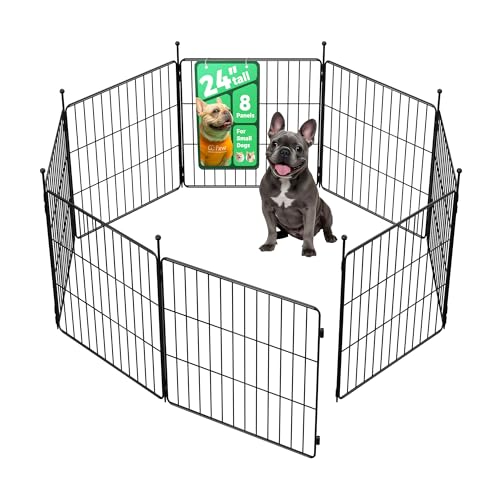 | Best for Small Dogs | Fence Type: Dog playpen | Panel Count: 8 panels | Total Length: Expandable | VIEW LATEST PRICE | Read Our Analysis |
| Thrivinest No Dig Decorative Animal Barrier Fence |  | Best No-Dig Fence | Fence Type: Animal barrier fence | Panel Count: 10 panels | Total Length: 10 ft | VIEW LATEST PRICE | Read Our Analysis |
More Details on Our Top Picks
Animal Barrier Fence Rustproof Metal Wire Garden Border
When you’re looking for a sturdy, low-maintenance yard barrier that can help keep pets from slipping out while also blocking small animals from getting in, the Animal Barrier Fence, Rustproof Metal Wire Garden Border is a strong pick. You get 10 panels, snaps, and zip ties for about 10.83 feet of coverage. Its 1.26-inch gaps help keep dogs, rabbits, squirrels, and chickens where they belong. Thick welded wire, stronger welds, and baked paint add rust resistance and weather durability. You can install it easily, rearrange it, and use it along gardens, lawns, or borders.
- Fence Type:Animal barrier fence
- Panel Count:10 panels
- Total Length:10.83 ft
- Material:Metal wire
- Rust Resistance:Rustproof
- Installation:Hammer install
- Additional Feature:1.26-inch gap spacing
- Additional Feature:Removable fence panels
- Additional Feature:24-hour support response
OUSHENG Decorative Garden Fence 10-Pack Rustproof Metal Panels
The OUSHENG Decorative Garden Fence is a smart pick provided you want a sturdy, decorative barrier for garden beds, patios, or small yard areas rather than a full dog-proof enclosure. You get 10 black, arched metal panels, each 36 inches high and 13 inches wide, for 10.8 feet of coverage. The rustproof coated wire and thick welded build feel durable, while pointed feet screw in for steadier placement. You can connect panels into straight, L, O, or zig-zag layouts. It’s easy to remove and store, but large dogs might still dig under it.
- Fence Type:Decorative garden fence
- Panel Count:10 panels
- Total Length:10.8 ft
- Material:Metal
- Rust Resistance:Rustproof coated
- Installation:Pointed feet
- Additional Feature:Arched decorative design
- Additional Feature:Interlocking panel layout
- Additional Feature:Screw-in pointed feet
Goovilla Garden Fence 10ft x 24in 10 Panels
If you need a compact, no-dig barrier for small pets and garden protection, the Goovilla Garden Fence is a smart pick. You get 10 metal panels that span 10 feet and stand 24 inches high, so it can frame flower beds, saplings, veggie patches, or a pond edge. Its solid metal build, thick black coating, and rustproof, waterproof finish handle outdoor use year-round. The narrow grids help block cats, dogs, rabbits, and more, while stakes keep it steady. You can install it fast with S-clips or zip ties.
- Fence Type:No-dig garden fence
- Panel Count:10 panels
- Total Length:10 ft
- Material:Metal
- Rust Resistance:Rustproof
- Installation:Ground stakes
- Additional Feature:10 narrow grids
- Additional Feature:Deep soil stakes
- Additional Feature:S-clips included
FXW MiniPaws Unleashed Dog Playpen 8 Panels
FXW MiniPaws Released Dog Playpen, 8 Panels is a smart pick for puppies, pocket dogs, and other small breeds that need a safe, flexible boundary without a heavy setup. You can shape it to fit indoor corners, patios, yards, or RV camping spots, and you’ll set it up in minutes without tools. Metal rods connect the panels, and the included floor protector helps keep indoor floors scratch-free while enhancing stability. Outdoors, you can push the rods into the ground for added hold. It’s lightweight, sturdy, and not meant for jumpers or bigger dogs.
- Fence Type:Dog playpen
- Panel Count:8 panels
- Total Length:Expandable
- Material:Metal
- Rust Resistance:Metal construction
- Installation:Tool-free
- Additional Feature:Small dog focus
- Additional Feature:Tool-free setup
- Additional Feature:Rubber floor protector
Thrivinest No Dig Decorative Animal Barrier Fence
Thrivinest’s No Dig Decorative Animal Barrier Fence fits you best when you want a simple, budget-friendly way to stop dogs, rabbits, and other small animals from slipping under garden edges without digging holes. You get 10 black metal panels that cover about 10 feet, and each section stands 17 inches high with a 1.5-inch bottom gap. You can hammer it into soil, connect panels with snap buttons or cable ties, and shape it around borders. Its welded, rustproof build handles weather, protects lawns, and adds a neat decorative edge.
- Fence Type:Animal barrier fence
- Panel Count:10 panels
- Total Length:10 ft
- Material:Metal wire
- Rust Resistance:Rustproof
- Installation:Hammer install
- Additional Feature:1.5-inch clearance
- Additional Feature:Bottom digging blocker
- Additional Feature:Two connection methods
Factors to Consider When Choosing Dog Fence for Yard
When you choose a dog fence for your yard, you’ll want to match the height to your dog’s size and jumping ability. You should also check gap spacing, material durability, installation method, and how well the fence fits your yard’s layout. These factors help you pick a fence that keeps your dog safe and works for your space.
Fence Height Needs
Fence height should match your dog’s size and jumping ability, since a 17- to 24-inch barrier could work well for small, low-risk pets, while athletic dogs often need something taller. You’ll want more height whenever your dog climbs, leaps, or leans on fencing, because taller panels add both visual and physical deterrence. For mixed-use yards, about 24 inches can define space and contain many small pets, but it may not be enough for bigger or more energetic dogs. Whenever you also want to keep out other animals or shield plants, pair the height with a narrow gap design so the barrier works as one system. Aim for enough vertical coverage to discourage escapes without making your yard feel closed in.
Gap Spacing Size
Gap spacing matters just as much as height because even a tall fence won’t help whenever your dog can squeeze through the openings. You should look for tight spacing that keeps your pet from slipping out and helps stop small animals from getting in. A gap around 1.26 inches offers solid protection for dogs, cats, rabbits, squirrels, and other small wildlife. Provided that the openings are too wide, clever pets can escape, and unwanted animals can still enter or damage your plants. Narrow grid spacing also makes it harder for animals to burrow or push through at the bottom. Choose spacing based on the size and habits of the animals you want inside or outside, so your fence works the way you need it to work.
Material Durability
Material durability should be high on your list, because a fence that looks sturdy at initial might still fail after a season of rain, sun, and movement. You’ll want thick welded wire or solid metal construction, since stronger joints and tighter panels resist cracking, bending, and daily wear. Choose rustproof or rust-resistant finishes, like baked paint or a black exterior coating, so moisture won’t eat away at the surface. A smooth, waterproof finish also makes cleaning easier and helps the fence handle soil, rain, and seasonal exposure. Should you plan to move it, check that the fence keeps its strength after repeated setup and removal. For best outdoor performance, pick a material built for bad weather and year-round use.
Installation Method
Whenever you choose a dog fence for your yard, consider about how it goes together just as much as how it looks. You’ll want to match the installation method to your setup and tools. Some fences use no-dig ground stakes, while others come as modular panels that connect with rods, clips, snaps, or zip ties. Whenever you want quicker assembly, choose panels with pre-determined hammer points or pointed feet you can push or screw into the soil for extra stability. Check whether you’ll need to assemble parts and how many accessories come in the box, since more clips or ties often make the fence easier and stronger to install. For indoor use, look for floor-protecting feet or rubber protectors; outdoors, deeper insertion usually helps keep it steady.
Layout Flexibility
If your yard has an unusual shape, choose a dog fence with modular panels that connect in multiple ways so you can build straight runs, L-shapes, squares, circles, or zig-zags. This flexibility helps you match the fence to your space instead of forcing your yard to fit a fixed design. Look for removable or interlocking sections, because they let you reconfigure the barrier when your garden beds, patio, or pet area changes. You can also wrap flexible panels around trees, flower beds, pond edges, and irregular borders without leaving big gaps. A longer total coverage length gives you more layout options while keeping the enclosure continuous. If you need seasonal use, pick a fence you can disassemble, store, and set up again easily.
Animal Type Protection
Once you’ve settled on a layout that fits your yard, make sure the fence also matches the animals you need to keep in or keep out. Choose gap spacing small enough to stop your target animal; openings around 1.26 to 1.5 inches help limit escapes from small pets and block rabbits, squirrels, cats, and similar intruders. If digging is a concern, pick a model with a bottom barrier or narrow-grid design that discourages burrowing. For puppies and small dogs, lightweight fencing often works well. For larger or stronger dogs, you’ll usually need taller, sturdier panels. If you’re managing several species, check ratings for dogs, cats, rabbits, chickens, raccoons, or skunks. Match height, wire strength, and ground stability to the animal’s jumping, pushing, and digging ability.
Weather Resistance
Weather resistance matters because your dog fence will face rain, moisture, heat, wind, and seasonal temperature swings outdoors. You should choose a fence with a rust-resistant or rustproof coating, since unprotected metal can weaken fast once rain and damp soil get involved. Welded wire construction with stronger joints also helps, because tighter panels stand up better to wind and repeated seasonal use. A baked paint or other protective finish adds another barrier against corrosion and helps the fence last longer. For year-round outdoor placement, pick metal panels made to handle changing temperatures and wet conditions. Should the fence will stay outside most of the year, prioritize materials that resist bending and surface wear so your barrier stays stable after storms and heavy use.
Decorative Style
Beyond holding up in rain and sun, your dog fence should also look good in the yard. Choose decorative styles with arched or classic wire patterns whenever you want the fence to feel like garden edging, not just a barrier. A black rustproof coated finish helps it blend with plants, lawns, patios, and backyard spaces while staying clean-looking over time. Consider about height too: lower 17-inch borders create a subtle edge, while 24- to 36-inch panels stand out as a stronger garden feature. Flexible layouts like straight lines, L-shapes, zig-zags, circles, and squares help you match flower beds, paths, and borders. Smooth welded wire with tight joints and a uniform panel structure usually looks neater and more finished than loose or uneven fencing.
Frequently Asked Questions
How Do I Train My Dog to Respect a New Yard Fence?
About 20% of dogs escape fences yearly, so you’ll need consistency. You can train your dog with leash walks near the fence, reward calm behavior, block digging spots, and supervise initial outdoor sessions closely.
Can These Fences Work on Sloped or Uneven Ground?
Yes, they can, but you’ll need the right setup. You can use adjustable posts, flexible panels, or terracing on slopes. You’ll get better coverage when you measure carefully and secure low spots well.
Are These Fences Safe for Small Puppies and Senior Dogs?
Yes, you can use them, but you should choose adjustable, gentle options and monitor closely. Small puppies and senior dogs need secure gaps, low pressure, and easy access so they stay comfortable and safe.
How Do I Secure a Temporary Fence During Strong Winds?
Secure it like your backyard depends on it—because it just may! You’ll anchor each panel with stakes or sandbags, add guy lines, tighten all connections, and inspect after every gust.
Do I Need Local Permits Before Installing a Dog Yard Fence?
Yes, you usually do, depending on your city, HOA, and fence height. You should call your building department first, check setback rules, and get approvals before you install anything to avoid fines.