

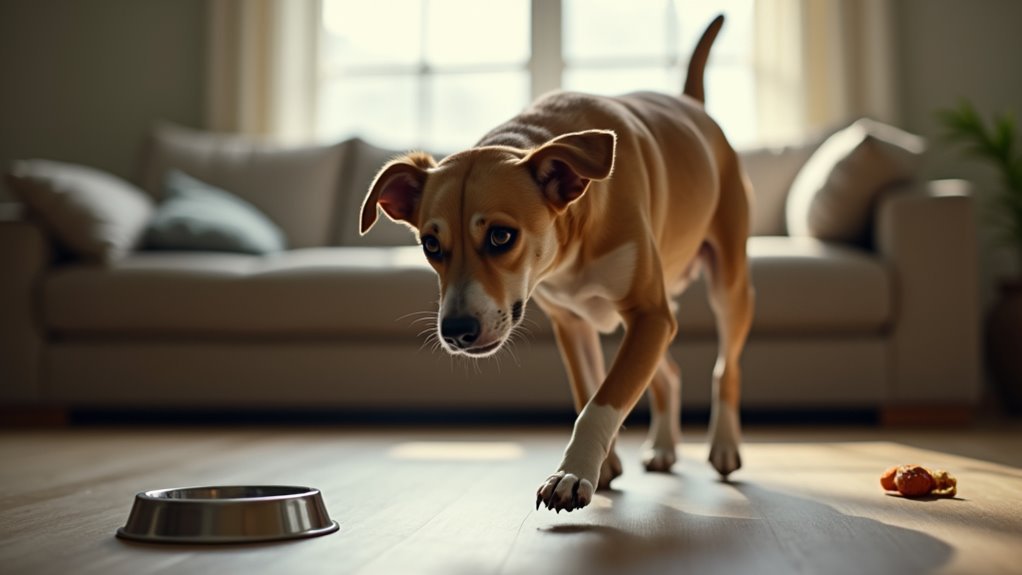

Dogs pace for clear reasons: boredom, stress, pain, medical issues, or cognitive changes. Pacing that starts during play or rest can point to anxiety or excess energy. Slow, stiff steps or reluctance to lie down often signal pain or joint problems. Sudden new pacing, changes in appetite, or confusion can indicate illness or cognitive decline. Watch timing, movement style, and accompanying signs to decide whether behavior needs a vet.
Why Does My Dog Keep Pacing?
In case your dog keeps pacing, it usually means something is bothering them, even in case they can’t tell you what it is.
You could notice this whenever they seem uneasy, bored, or stuck in a routine that no longer feels right.
Sometimes, a change at home or a lack of environmental enhancement can leave them restless.
Other times, your dog might want owner interaction and keep moving until you notice.
That back-and-forth walk can also show they’re trying to settle themselves or release tension.
Should the pacing happen often, pay attention to whenever it starts and what changes around it.
Small clues can help you understand your dog’s feelings, and that can help you respond with patience, comfort, and a calmer plan.
Common Causes of Dog Pacing
A dog that paces is usually trying to tell you something, and the cause often gives you a big clue about what they need. Sometimes it’s simple restlessness from breed tendencies, age, or too little environmental enrichment. Working breeds often need more movement and brain work, so they might walk back and forth whenever life feels too quiet.
Other times, pacing comes from pain, like sore joints, stomach upset, or concealed injury, because staying still doesn’t feel good. Senior dogs could pace whenever confusion or poor sleep disrupts their routine. New surroundings, changes at home, or not enough choice can also make your dog keep moving.
Should you know your dog’s normal habits, you’ll spot these clues faster and help them feel safer.
Anxiety and Stress Triggers
Whenever your dog paces because of anxiety or stress, they’re often trying to cope with something that feels too big, too sudden, or too hard to ignore.
You might notice this during separation anxiety, when you leave the house and your dog can’t relax.
Loud noises, new visitors, strange rooms, or changes in routine can also set off that restless walking.
Even boredom can add fuel, especially if your dog needs more environmental stimulation to feel settled and secure.
In these moments, pacing is your dog’s way of saying, “I’m not okay yet.”
Should you offer calm support, a steady routine, and familiar comforts, you help them feel safer.
Small changes can make a big difference, and you’re not alone in figuring it out.
Pain and Other Medical Causes
Pain can hide behind pacing, and that can make it hard to spot at outset. Should your dog keeps walking, shifting, or circling, chronic pain could be the reason. Arthritis, sore muscles, dental trouble, skin irritation, or belly upset can all make rest feel tough.
You might also notice pacing with whining, panting, trembling, or a stiff posture. In some dogs, endocrine disorders such as hypothyroidism or Cushing’s disease add to that restless feeling, and kidney, liver, or urinary problems can do the same.
Because your dog can’t say, “This hurts,” you have to watch the whole scene. When the pacing seems new, persistent, or out of character, trust your instincts and ask your vet to help you sort it out.
When Dog Pacing Is a Vet Emergency
Some pacing is just a dog’s way of settling in, but sudden or intense pacing can point to an emergency. Should your dog also have vomiting, a bloated belly, severe pain, weakness, sudden collapse, or respiratory distress, call your vet or an emergency clinic right away.
You should also act fast should your dog can’t settle, seems confused, has pale gums, or cries when touched. These signs can mean a dangerous problem, not just restlessness. Trust your gut here. Were your dog looks seriously off, you’re not overreacting by getting help. Keep your pup calm, limit movement, and head in for care. Quick action can protect your dog and give your family the support you need.
Why Dogs Pace at Night or in Circles?
At night, or in a tight little circle, pacing often means your dog is trying to cope with something they can’t quite settle on. You might notice nocturnal pacing once the house gets quiet, and moonlight agitation can make unease feel bigger. Some dogs feel separation distress, others react to noise, routine shifts, or the deep boredom that shows up after a long day.
Circling can also happen while your dog is getting ready to lie down, go outside, or ease joint pain. In older dogs, night pacing could point to confusion, poor sleep, or a health problem that makes stillness hard. Should your dog keep moving this way, you’re not alone, and it’s worth paying close attention.
How to Stop Dog Pacing at Home
Start through watching for the trigger, because pacing usually tells you your dog is trying to cope with something.
Initially, lower noise, visitors, and sudden routine changes, since calm space helps your dog feel safe.
Then add a steady walk, puzzle toy, and short training games so boredom doesn’t keep the loop going.
In case your dog likes a den, try crate training in a gentle way, with the door open at the outset.
You can also ask your vet about calming supplements in case stress seems to drive the pacing.
- Keep feeding and potty times steady
- Give a quiet bed away from traffic
- Use soft music or white noise
- Reward settling, not restless walking
- Track when pacing starts and what stops it
Frequently Asked Questions
Can Certain Dog Breeds Be More Prone to Pacing?
Yes, some breeds might be more prone to pacing, like a drumbeat that won’t quit. You’ll sometimes see breed predispositions and genetic factors influence restlessness, but anxiety, pain, and boredom usually matter more.
How Can I Tell if Pacing Is Anxiety or Pain?
Watch for vocal cues, posture changes, sleep disruption, and environment triggers. If you see trembling, whining, or limping, pain is more likely; when pacing starts with stress, visitors, or separation, anxiety is probably driving it.
Does Pacing Mean My Dog Needs More Exercise?
Not always. You might need more stimulation, structured walks, or both. If your dog still paces after exercise, look for anxiety, boredom, pain, or illness, and check with your vet.
Can Pacing Happen After Medication or Toxin Exposure?
Yes. Your dog can pace after drug reactions or toxin ingestion. You may also see agitation, tremors, weakness, or vomiting. Do not wait it out; contact your veterinarian or a poison control hotline right away.
When Should I Worry About Pacing in an Older Dog?
You should worry if your older dog’s pacing starts suddenly, will not stop, or comes with confusion, weakness, vomiting, or trembling. Senior dogs with age related cognitive changes often show nighttime restlessness and need prompt vet care.