

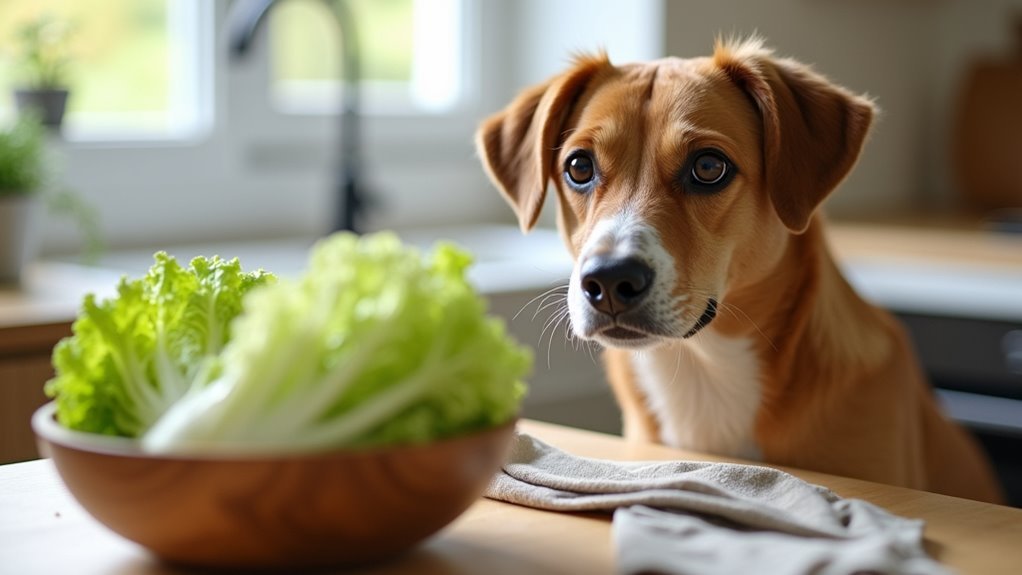

Yes — dogs can eat cabbage in small amounts. Cabbage provides fiber and vitamins C and K that support digestion and overall health. Raw cabbage can cause gas, so cooked or finely chopped raw servings are gentler on a dog’s stomach. Avoid added salt, oils, onions, garlic, and spicy seasonings. Offer cabbage as an occasional treat and monitor your dog for any digestive changes.
Can Dogs Eat Cabbage Safely?
Yes, dogs can eat cabbage safely provided you serve it plain and keep the portions small.
You can feel good offering it as an occasional treat, not a meal.
Wash it well, cut it into tiny pieces, and cook it lightly should your dog’s stomach be sensitive.
Since cabbage allergies are rare, you can start with a little and watch for gas, loose stool, or vomiting.
That careful step helps you learn your dog’s limits without stress.
Also, keep feeding frequency low, because too much cabbage can upset digestion fast.
In case your dog has thyroid concerns or a special diet, check with your vet initially.
With the right amount, you and your dog can stay in the safe zone together.
What Are the Benefits of Cabbage for Dogs?
Cabbage can give your dog a few nice perks provided you serve it the right way.
- It’s low in calories, so you can share it without crowding out meals.
- It adds fiber, which can help keep digestion steady.
- It brings vitamin C, vitamin K, and beta-carotene to the bowl.
- Its antioxidant profile helps support normal cell health.
- Cooking can improve nutrient bioavailability, so your dog could use more of its goodness.
When you mix cabbage into your dog’s routine, you also add a little variety that many pups enjoy.
That can make treat time feel fresh and shared, not boring.
You’re giving your buddy a simple veggie that fits a balanced lifestyle, and that small change can feel pretty good for both of you.
How Much Cabbage Can Dogs Eat?
Now that you know cabbage can add a few healthy perks, the next question is how much your dog could actually handle without trouble. Start with a tiny taste, then watch how your dog reacts. For most dogs, cabbage should stay under 10% of daily calories, and smaller dogs usually need only a teaspoon or two. Bigger dogs might handle a couple of tablespoons. Keep portion timing calm, and keep feeding frequency low, like an occasional treat, not a daily habit.
| Dog size | Cabbage amount |
|---|---|
| Small | 1 teaspoon |
| Medium | 1 to 2 teaspoons |
| Large | 1 tablespoon |
| Extra-large | 2 tablespoons |
| Sensitive stomach | Less than usual |
If your dog stays comfy, you can slowly adjust the amount. Watch for gas or loose stool, and don’t push past what your buddy tolerates.
How Should You Serve Cabbage to Dogs?
You can serve cabbage raw or cooked, but plain cooked cabbage is often easier for your dog to digest.
Keep portions small so you don’t upset your dog’s stomach, and start with just a little in case it’s a new treat.
Wash it well, chop it into bite-size pieces, and skip seasonings like salt, onion, and garlic.
Raw Vs Cooked
Whenever it comes to serving cabbage to dogs, cooked is often the gentler choice because heat softens the fibers and makes the vegetable easier to digest. In case you want to keep your pup in the happy club, start here. Cooking also brings enzyme changes that can make the cabbage feel lighter on sensitive tummies. Raw cabbage can still work, but its fiber content could feel tougher for some dogs.
- Steam it plain
- Chop it small
- Skip salt and garlic
- Cool it before serving
- Watch how your dog responds
You can offer either form, yet cooked cabbage usually feels kinder and less crunchy. Raw pieces might suit dogs who handle veggies well, but your buddy’s comfort should guide you. A calm belly means more tail wags, and that’s a win for both of you.
Safe Portion Sizes
A little cabbage can fit nicely into your dog’s day, but portion size really matters. You want to keep it as a small treat, not a meal replacement, so your dog still gets balanced nutrition.
For tiny dogs, start with about 1 teaspoon. For larger dogs, try 1 to 2 tablespoons. Should your dog do well, you can make modest portion adjustments over time, but only whenever digestion stays calm.
Keep cabbage under 10% of daily calories, and use calorie tracking provided your dog already gets other treats. Introduce it slowly, because your dog’s belly might need time to adjust.
This way, you can share a fresh veggie without crowding out the foods your dog needs most.
Prep And Seasoning
Now that you know the right amount, it helps to serve cabbage the right way so your dog gets the good parts without the tummy trouble.
Wash the leaves well, trim wilted spots, and chop them with simple kitchen tools so each bite stays small and safe.
Plain cabbage works best, because salt, onion, garlic, and rich sauces can upset your pup’s stomach.
- Steam it lightly for easier digestion
- Boil it plain, then cool it
- Roast it without oil or spice
- Serve it raw only provided your dog handles it well
- Try mild flavor alternatives only provided they’re dog-safe
You can mix a spoonful into dinner or offer it alone as a calm treat.
Start small, then watch how your dog feels after eating.
Is Raw or Cooked Cabbage Better for Dogs?
Whenever it comes to feeding cabbage to your dog, cooked cabbage is usually the gentler choice, although raw cabbage can still be safe in small amounts.
You might notice cooked cabbage supports better digestive absorption because heat softens the leaves and can improve nutrient bioavailability. That means your dog can get more from each bite with less effort.
Raw cabbage still works provided you keep it tiny, crisp, and plain, but some dogs handle it less comfortably. Should you want the safest path, offer lightly steamed or boiled cabbage without salt, onion, or garlic.
Chop it small, serve it as an occasional treat, and stay near your dog’s normal routine. In your pack, that little extra care helps every tail stay happy and steady.
When Can Cabbage Upset a Dog’s Stomach?
Cabbage can upset your dog’s stomach whenever you give too much at once, because the extra fiber can lead to gas and bloating.
In case you notice your dog acting uncomfortable, passing lots of gas, or having a swollen belly, cabbage could be the reason.
You can lower the risk through keeping portions small and introducing it slowly so your dog’s belly has time to adjust.
Gas And Bloating
In many dogs, cabbage can trigger gas and bloating because it’s packed with fiber and natural compounds that start breaking down in the gut. Whenever that happens, your dog’s digestive enzymes could work harder, and extra air can build up fast.
You might notice:
- a tight belly
- noisy stomach sounds
- less interest in food
- burping or passing gas
- mild abdominal discomfort
You’re not alone should this feels a little messy. Many dogs do fine with cabbage, but some need a gentler start.
Suppose your dog’s tummy seems sensitive, try tiny bites and watch the response closely. Cooked cabbage often feels easier on the stomach than raw pieces, especially for dogs who get gassy quickly.
Overfeeding Risks
Too much cabbage can upset your dog’s stomach pretty quickly, especially assuming you give a big serving all at once. You might notice gas, loose stool, or even vomiting within hours, and that can feel rough for both of you.
Should you keep portions tiny, you lower the chance of a portion imbalance that crowds out your dog’s regular food. Large cabbage servings can also cause nutrient displacement, which means your dog fills up on a treat instead of balanced meals.
So, start with a few chopped bites and watch how your dog acts afterward. Should the belly stays calm, you can offer a little more next time.
Plain, cooked cabbage usually sits better, and your pup gets to stay comfy.
Which Dogs Should Avoid Cabbage?
- Dogs with thyroid disease might need extra caution.
- Dogs with sensitive stomachs might prefer other treats.
- Dogs on restricted diets should skip it unless approved.
- Puppies might do better with simpler foods.
- Dogs with past food reactions mightn’t feel their best with cabbage.
You want your dog to feel welcome at the treat table, so start small and keep portions plain.
Cooked cabbage often feels gentler than raw, which can make sharing easier for everyone.
What Are the Signs of Too Much Cabbage?
Usually, the initial signs of too much cabbage show up in your dog’s belly and bathroom habits. You could notice gas, loose stool, or vomiting, and those digestive indicators often arrive within hours.
Should your dog seem restless, hides, or skips play, those behavioral changes can tell you the meal didn’t sit right. You may also see a swollen belly, gurgling noises, or a sudden need to go outside more often.
Keep an eye on appetite too, since a dog that turns away from food could be telling you something’s off. Should the symptoms stay mild, offer water and pause cabbage for now.
But should your dog keep vomiting, seems painful, or gets weak, call your vet right away.
Frequently Asked Questions
Can Puppies Eat Cabbage Safely?
Yes, you can offer puppies cabbage in tiny amounts, but start slowly; their digestive enzymes are still developing. Like a cautious initial step, keep feeding frequency low, plain, and watch for gas or upset.
Is Purple Cabbage Safe for Dogs?
Yes, you can safely give your dog small amounts of purple cabbage. It is rich in purple antioxidants and anthocyanin benefits, but you will want to serve it plain, chopped, and watch for gas or tummy upset.
Can Dogs Eat Cabbage Every Day?
No, you should not feed your dog cabbage every day. Keep portion size tiny and feeding frequency occasional, because too much can cause gas or diarrhea. You will support variety and still keep treats under 10 percent of daily calories.
Should Cabbage Be Mixed With Dog Food?
Yes, you can mix cabbage with your dog’s food in small amounts. For safer cabbage pairing, use plain, chopped pieces and gentle feeding methods. This can add variety, but keep portions tiny and watch digestion.
Does Cabbage Help Dogs Lose Weight?
Not directly, but you can use cabbage for weight management by enhancing calorie control. Keep portion sizing small, offer it occasionally, and watch feeding frequency so your dog stays full without extra calories.