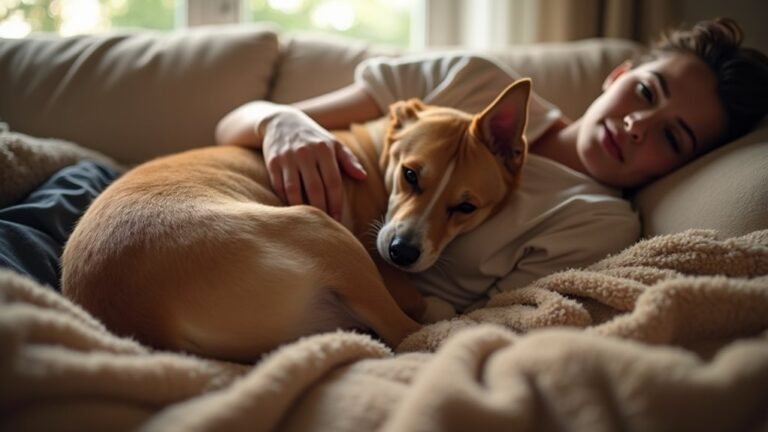

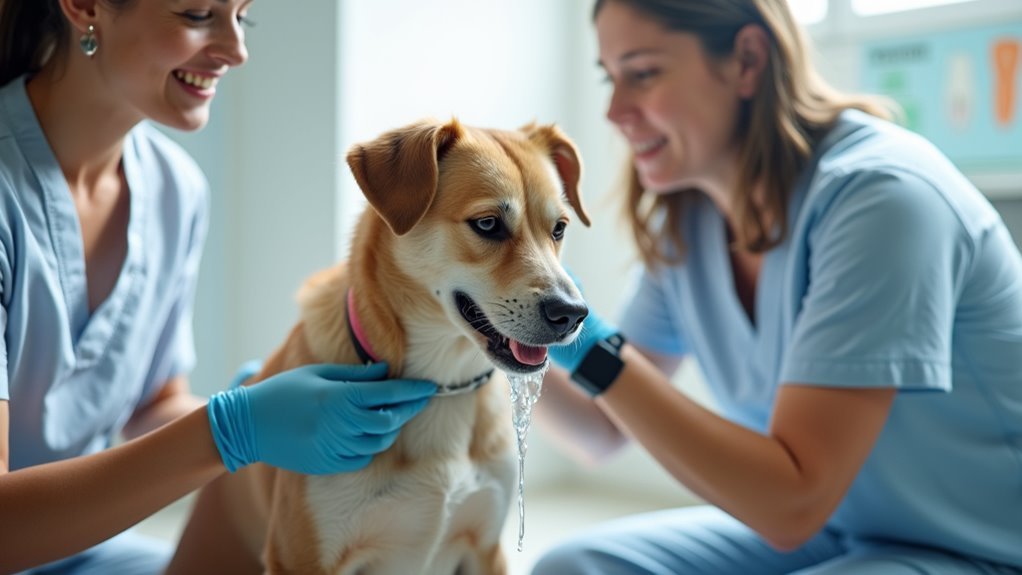

Dogs drool for many reasons, and some drooling is perfectly normal during meals or excitement. Sudden or excessive drooling can signal dental pain, nausea, overheating, toxin exposure, or systemic illness. Look for clues in the mouth, stomach, and overall behavior to narrow down the cause. Severe drooling paired with pawing at the mouth, lethargy, vomiting, or collapse warrants prompt veterinary care. Simple causes often resolve with home care, while serious issues need professional treatment.
Why Is My Dog Drooling So Much?
Provided there’s a lot of drooling from your dog, it can feel worrying fast, but in many cases the cause is simple and short-lived.
You may notice it whenever dinner’s near, a new smell grabs attention, or a car ride stirs nausea.
Stress can do it too, and some dogs learn this through behavioral conditioning, so they start salivating whenever they expect something exciting or uneasy.
Breed shape can add to the mess, especially in dogs with loose lips.
Still, drooling can also happen with mouth pain, tummy upset, or medication side effects.
So should your dog suddenly seem off, look for clues like pawing at the mouth, vomiting, or trouble swallowing.
That helps you tell a harmless puddle from something that needs care.
When Is Dog Drooling Normal?
You’ll often see normal drooling when your dog smells food, gets excited, or just can’t wait for a treat.
Some breeds, like Bloodhounds and Saint Bernards, naturally drool more because of their loose lips and mouth shape.
Provided the drooling starts during a happy moment or settles quickly, it’s usually nothing to worry about.
Normal Salivation Triggers
Most of the time, a little drooling is just your dog’s body doing what it’s supposed to do. Whenever food is on the way, a smell hits the nose, or play gets exciting, your dog’s saliva composition shifts and gland function speeds up. That extra moisture helps your pup chew, swallow, and enjoy meals.
You might also see more drool during car rides, because nausea can make the mouth fill fast. Stress can do it too, especially during vet visits or loud storms. These triggers usually pass once the moment ends, so you’re not alone when you notice them. Should the drooling be brief and your dog seems comfortable, it’s often part of normal life.
Breed-Specific Drooling
Some dogs drool more than others, and that can be completely normal. Should you live with a hound, mastiff, or Saint Bernard, you might notice more wet lips and stringy spit than your neighbor’s terrier.
That difference often comes from drool genetics and facial structure. Dogs with loose jowls and deep flews hold saliva less well, so it slips out more easily.
You’re not doing anything wrong, and your dog isn’t being dramatic. Instead, you’re seeing a trait that’s built into the breed. Whenever drooling matches your dog’s usual pattern, it’s usually just part of life with that breed.
Still, in case the amount changes fast or looks messy in a new way, keep watching. Your dog’s normal can be unique, and that’s okay.
Excitement And Anticipation
A happy dog can drool a little more than usual whenever excitement kicks in, and that’s often totally normal. When you grab the leash, hear the food bag, or open the treat jar, your dog could show anticipation salivation. That extra moisture can pair with sniffing stimulation, since new smells wake up the mouth and nose together.
- You may notice brief drool before meals.
- You might see it during play, training, or visits from favorite people.
- It usually eases once the moment passes.
Should your dog still act bright, eats well, and swallows normally, you can relax. But if drooling comes with vomiting, pain, or sudden weakness, you should call your vet right away. That’s how you stay tuned in and keep your dog feeling safe.
Common Causes of Excessive Dog Drooling
Why does your dog suddenly start drooling so much? Sometimes it’s a normal response to food, strong smells, or a bumpy car ride. Other times, the cause is bigger. Stress, motion sickness, heat, and breed anatomy can all change Salivary composition and Hydration status, so you might notice extra wetness before anything else seems wrong.
| Cause | What you notice | Common clue |
|---|---|---|
| Excitement | Fast drooling | Food or treats nearby |
| Nausea | Saliva plus lip licking | Car rides or upset stomach |
| Anxiety | Drooling and pacing | Thunder, vet visits, change |
You’re not alone in this. Drooling can also happen with toxins, mouth irritation, swallowing trouble, or illness. Should it be sudden, severe, or paired with weakness, call your vet right away.
Dental Problems That Cause Drooling
When your dog’s drool seems tied to eating, chewing, or a bad smell from the mouth, tooth decay could be part of the problem.
You could also notice red, swollen gums, which can make every bite hurt and push more saliva out.
Gum disease can do the same, so it helps to watch for pain, pawing at the mouth, or trouble chewing.
Tooth Decay Signs
Tooth decay can sneak up on your dog, and drooling is often one of the initial clues. You could also notice bad breath, a softer chew, or pawing at the mouth. Should you look closely, early cavities can show as tiny dark spots, while enamel erosion might make teeth look dull, chalky, or worn. Your dog could flinch when you touch the face or turn away from hard kibble.
- Watch for saliva that seems thicker than usual.
- Check for cracked, stained, or sensitive teeth.
- Ask your vet about dental X-rays should the signs keep coming back.
Upon catching these changes early, you give your dog a better shot at comfort and easier meals.
Gum Disease Effects
Whenever gum disease takes hold, your dog could start drooling more because the mouth feels sore, swollen, and hard to use. You might also notice a bad smell, red gums, and trouble chewing. The oral microbiome shifts, and harmful bacteria can grow fast. That change can raise pain and alter salivary composition, so saliva could seem thicker or heavier.
| Sign | What you might see |
|---|---|
| Red gums | Angry, puffy edges |
| Bleeding | Pink saliva after chewing |
| Bad breath | Strong, sour odor |
| Reluctance to eat | Slow bites or food dropping |
| Pawing at mouth | Your dog feels discomfort |
If you spot these signs, you’re not alone. Call your vet soon so your dog can get cleaning, pain relief, or dental care before the problem grows.
Can Nausea or Toxins Cause Drooling?
Yes, nausea and toxins can both cause drooling in dogs, and the reason is usually simple: the body reacts quickly whenever something feels wrong. Whenever your dog feels sick, saliva can build up before vomiting, and that can look scary.
With gentle nausea management, you can help your dog rest, skip rich food, and watch for other signs.
- Whenever drooling starts after car rides, your dog might feel queasy.
- Whenever it follows chewing, sniffing, or licking something odd, consider toxin exposure.
- Whenever you see vomiting, weakness, or shaking, call your vet right away.
You’re not overreacting by paying attention. Small changes matter, and quick action can protect your dog’s comfort and safety.
Heatstroke and Stress Drooling in Dogs
Whenever a dog starts drooling in hot weather or during a tense moment, it can feel alarming, but the reason is often easier to understand than it looks.
In heat, your dog’s body works hard to cool down, and drooling can rise fast. You can help with heatstroke prevention through moving your dog to shade, offering fresh water, and skipping hard exercise during the hottest hours.
Should your dog be anxious, stress can also trigger extra saliva. Calm voices, a quiet space, and steady routines support stress reduction and help your dog settle.
You know your dog best, so notice what sets off the drool. With quick, caring action, you can often make your dog more comfortable and keep the moment from turning into a bigger problem.
Signs Your Dog Needs a Vet Visit
Should your dog’s drooling suddenly change or seem out of the ordinary, it’s worth paying close attention because some causes need fast care. You know your dog best, so trust those small behavioral cues that feel off.
- Call your vet provided drooling comes with vomiting, weakness, trouble breathing, or obvious pain.
- Get help right away supposing you suspect poisoning, a burn, a stuck object, or heat stress.
- Make an appointment in case drooling lasts more than a day, smells bad, or follows medication side effects.
Assuming your dog also won’t eat, hides, or paws at the mouth, that’s another clue something’s wrong. You don’t have to guess alone. Provided the signs stack up, your vet can help you and your dog feel safe again.
How Vets Treat Excessive Drooling
Once your vet knows the drooling is more than a harmless fluke, they’ll focus on the cause and treat that problem directly.
Should your dog have dental pain, they might clean teeth, remove damaged ones, or treat sores in the mouth. Should they find a stuck object, they’ll take it out fast so your dog can feel relief. For nausea or stomach trouble, they might use antiemetic medicine and fluids, and that can calm the flow of saliva.
Whenever toxins, heat, or infection are involved, your vet will act on that problem right away. In some cases, salivary glandopathy diagnosis helps rule out rare gland issues, and pharmacologic salivation management could support comfort while treatment works. You’re not handling this alone, and your vet’s plan can help your dog get back to normal.
How to Prevent Excessive Dog Drooling
The best way to prevent excessive dog drooling is to stay one step ahead of the common triggers. You can protect your pup by watching for stress, heat, and mouth trouble before they grow. With a little routine care, you’ll both feel more at ease.
- Keep fresh water nearby and use hydration monitoring so you spot changes early on.
- Choose safe chews, brush teeth often, and ask your vet about diet modification should food upset seem likely.
- Limit car rides, hot play, and access to trash, toxic plants, and chemicals.
Next, pay attention to breed needs and sudden behavior shifts. In case your dog starts drooling more after meals, travel, or loud noises, take note of the pattern and call your vet. That simple habit helps your dog stay comfortable, and it keeps your pack life calmer too.
Frequently Asked Questions
Can Certain Dog Breeds Drool More Because of Their Facial Structure?
Yes, you’ll notice some breeds drool more because their facial structure affects saliva control. Brachycephalic breeds and dogs with shorter muzzle length often let saliva pool, so you might see extra drooling naturally.
How Can I Tell if Drooling Is From Teething or a Foreign Object?
Teething usually causes mild gum inflammation, paw chewing, and sore baby teeth. A foreign object causes sudden drooling, one sided pain, bad breath, or gagging. You cannot always tell, so check your dog’s mouth carefully.
What Home Remedies Are Safe for Mild Drooling in Dogs?
Try warm compresses and saline rinses provided you are sure it is mild and from minor mouth irritation. You can offer cool water and rest but do not use human meds. If drooling worsens, call your vet.
Can Drooling Happen With Seizures or Neurological Problems?
Yes, you can see neurological drooling or seizure related hypersalivation whenever your dog’s brain or nerves are not controlling swallowing well. If it happens suddenly, with twitching, weakness, or confusion, you will want urgent veterinary care.
Should I Worry if My Dog Drools Only in the Car?
Probably not if your dog only drools in the car. Motion sickness or travel anxiety are common causes. Try calmer rides, take breaks, and consult your vet if vomiting, severe distress, or increasing drooling develops.