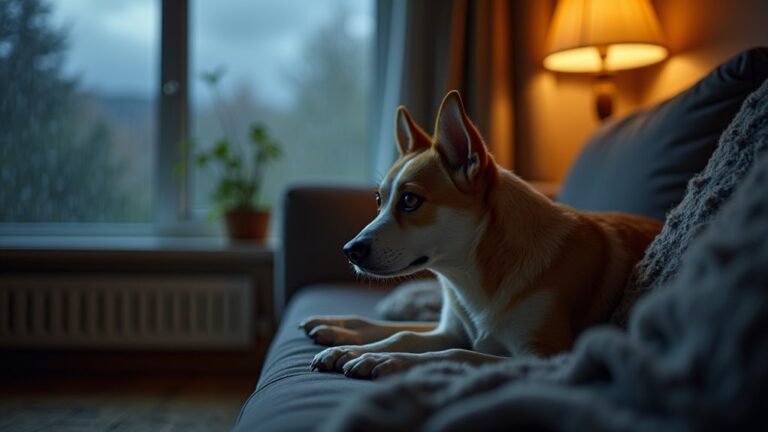

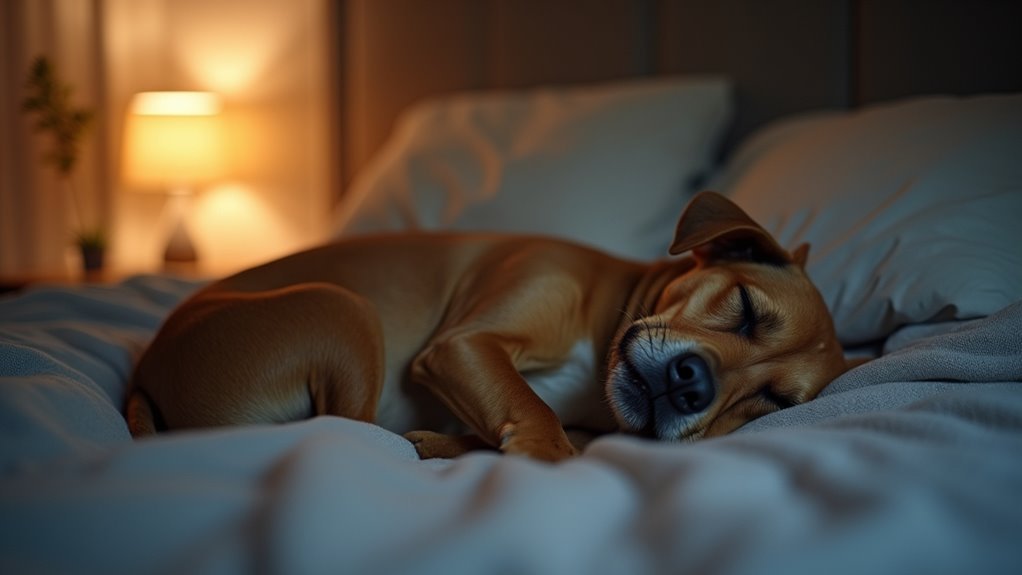

Dogs snore because airflow through their nose, throat, or upper airway becomes turbulent during sleep. Snoring increases with certain breeds (brachycephalic faces), excess weight, nasal or throat blockages, and allergies. Loud or changed snoring with gasping, choking, daytime breathing problems, or obvious effort can signal a medical issue. Regular vet checks, weight control, allergy management, and keeping airways clear reduce risky snoring. This article explains common causes, warning signs that need attention, and practical steps to help a snoring dog.
Why Dogs Snore
Dogs snore whenever air can’t move smoothly through the nose, throat, or upper airway, so the soft tissues start to vibrate and make that rumbling sound.
You could hear it most during your dog falls into deeper sleep stages, because relaxation lets the airway narrow even more. That doesn’t always mean trouble. Mild snoring can be part of your dog’s normal nightly pattern, and your noise tolerance might help you notice how often it happens.
Still, should the sound grow louder, starts suddenly, or shows up more often, pay attention. You know your dog’s usual breathing best, so small changes matter.
Whenever snoring stays occasional, many dogs rest comfortably and keep their cozy bedtime habits without much fuss.
Common Dog Snoring Causes
Your dog’s snoring often starts with a narrow or partly blocked airway, so the soft tissues in the nose or throat vibrate as air moves through.
You might notice this more in flat-faced breeds or whenever your dog sleeps on their back, since both can make breathing passages smaller.
Even should the snore seem harmless, changes in airway shape or sleep position can make it louder and more frequent.
Airway Anatomy
The airway is the stage where most dog snoring begins. When your dog’s nose, throat, or upper airway feels narrow, soft tissue vibrates and makes that familiar rumble. Airway development matters here, because some dogs simply grow with tighter passages than others. Flat-faced breeds often have crowded spaces, and a long soft palate can add more vibration. Even small changes in mucosal health, like swelling from irritation or dryness, can narrow airflow fast.
You might hear the sound from the nasal cavity or the space behind it, where air should move freely. Should the snore be louder or more constant, your dog’s anatomy could be giving you a clue that the passage is tighter than it should be, even on a calm night.
Sleep Position
A simple change in sleep position can make a big difference, especially once your dog rolls onto its back and lets the tongue or soft tissues slip back toward the airway.
You might notice softer snorts at initially, then a louder rumble whenever the nose or throat gets narrower.
Should your dog has a favorite pillow preference, that little lift can help keep the airway open and the snoring lower.
Side sleeping often works better, because it keeps the tongue from falling back.
Also, a calm room with less ambient noise can help your dog settle into one steady position instead of shifting all night.
In case the snoring is new, loud, or paired with breathing trouble, you should check with your vet.
When Dog Snoring Is Normal
Sometimes dog snoring is completely normal, especially although it’s soft, brief, and only happens now and then. You might hear it during deep sleep, dream twitching, or after age changes that make your dog’s tissues a little looser.
Should your dog snore once in a while, but still wakes easily, eats well, and breathes comfortably, you can usually relax. A little noise often comes from a sleepy throat or a crowded sleeping position, not a real problem.
You belong to the group of pet parents who notice the small stuff, and that care matters. Keep watching for patterns, though, because normal snoring should stay mild.
Whenever it stays quiet, comes and goes, and doesn’t bring coughing or distress, it’s usually just part of your dog’s sleep soundtrack.
Breed Traits That Make Dog Snoring More Likely
Some breeds are built in ways that make snoring more likely, especially flat-faced dogs with short noses and tight airways.
Should you have a Pug, Bulldog, French Bulldog, Shih Tzu, or Boxer, you might hear more snoring because their anatomy can crowd airflow.
Even larger dogs can snore whenever their throat tissues or airway shape make breathing noisier during sleep.
Brachycephalic Breed Anatomy
Should your dog be a flat-faced breed, their snoring often starts with their body shape, not a bad habit. You might notice it more in Pugs, Bulldogs, French Bulldogs, Shih Tzus, and Boxers because their skull morphology leaves less room for air to move freely. Their shorter noses and tighter airways can make every breath sound louder at night.
Soft tissue hypertrophy can add to the issue, since extra tissue in the throat may vibrate as your dog sleeps. That’s why your buddy could snore even when they seem healthy and relaxed.
Should the snoring have been there since puppyhood, it often fits their breed traits. Still, you know your dog best, so any change in noise or effort deserves attention.
Large Breed Airway Traits
Even a big, healthy-looking dog can snore because of the way their airway is built. Your dog’s large frame can hide narrow passages, especially provided the throat, nose, or soft tissues crowd airflow.
In some breeds, the thoracic conformation can affect how the chest and neck line up during sleep, which might let tissues relax into the airway. Also, laryngeal size matters; once the voice box sits in a tighter space, breathing can sound rougher and noisier.
You could notice this more in deep-chested dogs with heavy heads, loose skin, or thick necks. These traits don’t mean your dog has a problem, but they can make harmless snoring more common.
Why Flat-Faced Dogs Snore More
Flat-faced dogs snore more because their heads and airways are built in a way that leaves less room for air to move freely. With this facial conformation, your dog’s nose, throat, and upper airway can crowd together, so airflow turbulence happens easily.
Whenever air squeezes through that smaller space, the soft tissues vibrate, and you hear snoring. You might notice this in Pugs, Bulldogs, French Bulldogs, Shih Tzus, and Boxers, since their short faces often come with extra tissue in the airway.
For your dog, that doesn’t always mean trouble, but it does mean snoring could be part of daily life. Still, louder or more constant snoring can signal tighter airflow and might need your attention from a caring vet.
Sleeping Positions That Trigger Snoring
Whenever you let your dog sleep on his side, his tongue and soft tissues can shift just enough to narrow the airway and set off snoring.
In case he curls up with his chin pressed to his chest, airflow can get even tighter, so the snore might sound louder.
You can often notice this pattern whenever the snoring starts or gets worse in certain positions and eases whenever he changes how he sleeps.
Side-Lying Airway Narrowing
Side-lying can narrow a dog’s airway in a very simple way: gravity shifts the tongue, soft palate, and loose throat tissues to one side, and that small change can leave less room for air to move freely. Whenever you notice this, you’re seeing lateral compression and positional obstruction at work, and you’re not alone.
Numerous dogs snore more in this pose, especially provided they’re relaxed or deeply asleep.
- The airway can vibrate as air squeezes past.
- One side might stay more open than the other.
- Snoring often gets louder whenever tissues slacken.
Assuming your dog only snores this way now and then, it’s usually harmless. Still, you should watch for a change from soft rumbling to steady, noisy breathing, because your dog’s sleep position can shape how easy each breath feels.
Chin-To-Chest Airflow Restriction
A tucked chin can make snoring start or get louder because it bends the throat a little and squeezes the space where air needs to move.
Whenever your dog sleeps with the head folded down, the tongue and soft tissues can slide back and narrow the airway.
You might hear a deeper, rougher snore, especially in dogs that already have jaw stiffness or a short muzzle.
This position can also add neck strain, so your dog could shift, wake, or look less rested.
Should you notice this pattern, try giving your dog a flatter, more open resting spot and watch whether the noise eases.
Small changes like this can help your pup breathe easier and sleep with the comfy support they deserve.
Allergies and Nasal Congestion in Dogs
Allergies can make your dog snore more often because they irritate the nose and throat and narrow the airway. Whenever seasonal allergies flare, you might hear snorts, snuffles, or a soft rumble at night. Should immune mediated rhinitis be part of the problem, the lining inside the nose can swell and block airflow, too.
Try to notice what helps:
- Keep windows closed on high pollen days.
- Wipe your dog’s face after walks.
- Ask your vet about safe allergy care.
You’re not alone should this sound familiar. Congestion can make sleep noisy, but it doesn’t always mean something serious. Still, were the snoring to start suddenly, get louder, or come with discharge or sneezing, your vet ought to check it.
Weight Gain and Airway Narrowing
Extra pounds can make snoring louder because they put more pressure around your dog’s neck and chest, which leaves less room for air to move smoothly through the nose and throat.
Whenever your dog carries extra fat, the soft tissues around the airway can swell and close in a little more during sleep. That’s why you might hear deeper snorts or rough breathing at night.
A gentle weight loss plan can help with airway improvement without stressing your pup. Start with a small diet adjustment, then talk with your vet about safe portions and treats.
As the body gets lighter, tissue reduction around the neck could ease airflow and calm the noise. With steady care, you’re helping your dog breathe better and rest easier.
Signs Dog Snoring Could Mean Trouble
Should snoring changes, your dog could be trying to tell you something more than “I’m sleeping hard.” New, louder, or more frequent snoring can indicate swelling, congestion, or a tighter airway that requires attention. You know your dog best, so trust that gut check.
- Listen for night gasps or restless pauses.
- Notice snoring that starts suddenly or gets louder.
- Watch for breathing effort, coughing, or a tucked, uneasy sleep.
These signs matter because they point to airflow trouble, not just a noisy nap. In case your dog seems off, don’t brush it aside. You’re part of your dog’s safety net, and small changes often speak initially. Whenever snoring shifts with sleep position, it could be harmless, but in case it keeps changing, call your vet.
Health Problems That Cause Snoring
Sometimes snoring is more than just a sleepy habit, and a health problem could be the reason your dog sounds so loud at night. You might notice chronic rhinitis whenever your dog has a stuffy nose, sneezes often, or breathes with a noisy, blocked sound. That swelling can narrow the airway and make each breath rattle.
In other cases, a throat or nasal mass, infection, or extra tissue can crowd the passage and raise the noise level. You should also watch for sleep apnea, where breathing pauses during sleep and your dog could seem restless or wake suddenly. These problems can make your pup sound like a tiny tractor, but they deserve care, because they can affect comfort, rest, and oxygen.
How Vets Diagnose Dog Snoring
Whenever your dog’s snoring gets louder, starts suddenly, or comes with other warning signs, vets begin alongside asking careful questions and listening closely to the sounds you hear at home. They want to know when it started, how often it happens, and whether your dog seems stuffed up or tired.
- They check your dog’s nose, throat, and breathing patterns.
- They might use diagnostic imaging to look for blockage, swelling, or a mass.
- Should the cause still isn’t clear, sleep studies can help show how your dog breathes while resting.
This process helps your vet separate normal snoring from a problem that needs care. You’re not overreacting speaking up. You’re helping your dog get answers, and that matters.
How to Help Your Dog Snore Less
Helping your dog snore less starts with figuring out what’s crowding the airway, because the fix depends on the cause. Should your pup sleep on their back, try a side-sleeping bed and a little pillow elevation to ease airflow. Keep their weight healthy, since extra pounds can press on the throat and make snoring louder.
Next, reduce triggers that swell the nose: wipe away dust, skip smoke, and consider humidifier use whenever air feels dry. In case allergies seem to flare things up, talk with your vet about safer relief.
Also, watch for neck collars, because they can squeeze the airway at night. Should the snoring get louder, or your dog seems tired or stuffy, get help fast.
Frequently Asked Questions
Can Puppies Snore, or Is It Only an Adult Dog Issue?
Yes, you can hear puppies snore, and it is not just an adult dog issue. During sleep development, their puppy anatomy can narrow airflow briefly. If it is loud, persistent, or worsening, you should ask your vet.
Does Snoring Always Mean My Dog Has a Blocked Airway?
No, not always; snoring can be a whisper from the airway, not a siren. You could hear partial obstruction from positional breathing, allergies, weight, or anatomy. You are not alone; many dogs snore harmlessly.
Can Certain Medications Make My Dog Snore More at Night?
Yes, sedative medications can make your dog snore more at night by relaxing airway tissues and increasing nasal congestion. You are not alone; many dogs are affected. If the snoring is new or louder, ask your veterinarian.
Is Occasional Snoring After Exercise a Problem?
Usually no. You can expect occasional snoring after exercise during post exercise relaxation and respiratory recovery. Watch for nasal discharge, cough, fatigue, or breathing trouble. If it is loud, new, or worsening, you should get a vet check.
Can Snoring in Dogs Be Passed Down Genetically?
Yes, you can see inherited snoring patterns in some dogs. Heritability studies and breed predisposition show flat faced breeds often snore more. You are not alone; your dog’s family traits can shape airway anatomy and sleep sounds.