

Dogs lose hair for many reasons: normal shedding, parasites like fleas or mites, allergies, skin infections, hormonal imbalances, and nutritional shortfalls. Some causes create small itchy spots, others cause large bald patches or generalized thinning. Quick-check signs include redness, scabs, greasy or flaky skin, changes in behavior or appetite. A vet exam and simple tests often identify the cause and guide treatment. Early attention helps restore skin health and prevent complications.
Why Do Dogs Lose Hair?
Hair loss in dogs can creep up slowly or show up all at once, and it usually means something is irritating the skin or affecting the body’s normal hair growth. You could notice patchy spots, a thin coat, or more fur on the couch than usual.
Often, fleas, mites, or lice make your dog scratch, bite, and rub, which can break hair and leave bald areas. Allergies, infections, and tight collars can do the same.
Sometimes the coat cycle gets thrown off due to hormones, poor nutrition, or stress, so new hair doesn’t fill in as it should. Even seasonal molting can look worrying when shedding seems heavier than normal.
Should you feel uneasy, trust that instinct. You know your dog’s coat best, and you’re not overreacting whenever something seems off.
Is Your Dog’s Hair Loss Just Shedding?
Your dog’s coat might look thinner during normal seasonal shedding, especially in spring and fall, and that can be completely expected.
But should you notice bald spots, red skin, itching, or hair coming out in clumps, it’s probably more than just shedding.
Whenever the hair loss seems sudden or keeps getting worse, it’s a good idea to check in with your vet.
Normal Seasonal Shedding
Often, a dog’s coat changes with the seasons, and that can look scary at initially. But in case you notice extra fur on your couch, you might just be seeing seasonal cycles at work. Many dogs shed a thicker winter coat as warmer weather arrives, and some breeds lose more because of coat density. You can help through brushing often and watching how the coat looks over time.
- Shedding often feels heavier in spring and fall.
- Loose hair might come out during brushing.
- Healthy skin usually looks calm, not sore.
- The coat should still grow back evenly.
- Your dog could seem a bit fluffier, then lighter.
Should your dog still seem like part of the pack, and the skin stays normal, shedding might be just part of life with your buddy.
Excessive Hair Loss Signs
Not every clump of fur means trouble, but true hair loss usually tells a different story. You’ll still see some normal hair on your brush, but excessive shedding looks different. It keeps showing up in piles, and your dog’s coat starts to look thin or uneven.
You might notice bare spots, broken hairs, or skin irritation that causes your dog to scratch, lick, or chew more than usual. Once shedding is just shedding, the coat stays full and the skin stays calm. But should you see flakes, redness, or patchy loss, it’s a sign something else could be going on.
Many pet parents spot it initially around the neck, belly, or tail, where rubbing and itching can make the change easier to notice at home.
When To Seek Help
Should your dog’s coat be looking thinner, you could be questioning whether you’re just seeing normal shedding or something more worrisome.
In the hair loss is mild and seasonal, you can usually watch it at home. But whenever worried, trust your gut and plan a vet visit should you see skin changes or odd behavior.
- Bald spots that spread fast
- Red, flaky, or smelly skin
- Constant scratching, biting, or licking
- Pain, swelling, or crusts
- Emergency signs like fever or sudden weakness
Your vet can check for fleas, mites, allergies, infections, or hormone issues.
Should the cause stays unclear, they could suggest a skin biopsy.
You’re not overreacting by asking for help. You’re giving your dog the same care your pack would want.
Can Allergies Cause Dog Hair Loss?
Yes, allergies can make your dog itch, scratch, and chew at the skin until hair starts to fall out.
You may notice red patches, flaky skin, or constant licking, and these signs often point to environmental or food allergies.
If the irritation keeps going, your dog’s coat can thin out fast, so it’s worth paying close attention to those clues.
Allergy Symptoms In Dogs
Allergies can make your dog miserable, and hair loss is one of the clearer signs that something’s off. You might notice itchy ears, red paws, or constant licking, and those clues often point to environmental triggers like pollen or dust. Whenever your dog keeps scratching or chewing, the coat can thin fast.
- Watch for paw chewing
- Check for red, flaky skin
- Notice ear rubbing
- Track seasonal flare-ups
- Ask about diagnostic allergy screening
These signs often show up together, so you’re not guessing alone. Should your dog seem uncomfortable after walks or around certain rooms, that pattern matters. A vet can help you connect the dots and find relief that fits your pup’s needs.
How Allergies Trigger Shedding
Whenever your dog keeps scratching, chewing, or rubbing at the skin, the coat often pays the price. Allergies can cause dog hair loss because they spark immune mediated itching, which makes your dog feel miserable and restless.
As you both deal with that cycle, each lick and scratch can break hairs and create thin spots. Fleas, pollen, dust, and food ingredients can all set off this reaction.
Your vet might suggest contact allergen testing to find what’s irritating your dog’s skin. Once you know the trigger, you can protect the coat better and ease the itch.
With less inflammation, your dog gets fewer hot spots, less shedding, and a calmer, happier skin barrier.
Which Parasites Cause Dog Hair Loss?
Parasites are a very common reason dogs lose hair, and they often make the skin itchy, sore, and hard to ignore. Fleas can trigger flea dermatitis, especially near the neck and tail, where you might see constant scratching and broken hair.
Mite infestations, including mange, can also cause patchy bald spots, crusty skin, and restless biting. Lice are less common, but they can still leave your dog uncomfortable and thin-coated. Ticks could irritate one spot and lead to extra licking.
- Fleas bite fast and spread fast.
- Mites live on or in the skin.
- Lice move through close contact.
- Ticks cause local irritation.
- Scratching can worsen every spot.
If you spot these signs, you’re not alone, and your dog deserves quick relief.
Can Skin Infections Cause Hair Loss?
Whenever you notice red skin, odor, or scabs, your dog might already be scratching enough to break the coat. Bacterial infections can leave hot, wet patches that shed hair quickly, while fungal infections often create round, flaky bald spots. Because the skin feels irritated, your dog could lick, chew, or rub the area and make the loss worse.
You’re not alone whether this looks scary; many dogs deal with it, and it’s treatable. A vet can check the skin, find the germ, and start the right care so your dog is able to feel comfortable again.
Can Hormone Problems Make Dogs Lose Hair?
Yes, hormone problems can make your dog lose hair, and you could notice thinning coats, bald spots, or skin that just looks dull and dry.
Hypothyroidism often causes slow coat growth and gradual hair loss, while Cushing’s disease can leave your dog with thin skin, sparse fur, and a fuller belly shape.
Should you spot these changes, your vet can run hormone screenings to help find the cause and start the right treatment.
Hypothyroidism Signs
At the point a dog’s hormones are out of balance, the coat often shows it initially, and hypothyroidism is a common reason for that change.
You might notice slow shedding, a dull coat, and thin areas on the body or tail.
Your dog can also seem tired, gain weight, or feel chilly, which are metabolic signs that point toward a slower thyroid.
Should you see these changes, thyroid screening can help your vet find the cause sooner.
- Patchy or even hair thinning
- Dry, flaky skin
- Less energy on walks
- Weight gain without extra food
- A slower, colder, less playful mood
Cushing’s Disease Hair Loss
Cushing’s disease can quietly change your dog’s coat before it seems to change anything else, and hair loss is often one of the initial clues. You might notice thin skin, a brittle coat, or bald spots that show up on the sides, belly, or back.
This happens because your dog’s cortisol stays too high, and that hormone can weaken hair growth over time. Should an adrenal tumor be part of the problem, your dog could also seem extra thirsty, hungry, or tired.
You’re not alone should this feels worrying. Many families miss the primary signs because they look mild at the outset. Once the coat changes keep spreading, it’s worth paying close attention and talking with your vet so you can protect your dog at the outset.
Hormone Testing Options
Hormone evaluation can help you get answers whenever your dog’s hair loss doesn’t make sense, and that relief matters more than you could envision. When you and your vet look for endocrine clues, you can spot problems before bald patches spread.
Bloodwork often checks thyroid levels, and it could also measure salivary cortisol whenever Cushing’s disease seems likely. Your vet might add sex hormone panels or insulin like growthfactor testing provided the pattern looks unusual. These tests help match the hair loss to the right cause.
- Symmetrical thinning can point to hormones.
- Slow regrowth can support the suspicion.
- Skin looks dull, not just itchy.
- Your dog might gain weight or act tired.
- Results guide the next step with confidence.
Can Stress Cause Dog Hair Loss?
Yes, stress can cause dog hair loss, and it often shows up in ways that feel worrying but are very treatable once you find the cause.
You might notice licking, chewing, or rubbing that leaves thin spots or bald patches.
Whenever your dog feels unsettled, their body can release more cortisol, and that stress can push them toward overgrooming.
Start with behavioral enhancement, like puzzle toys, sniff walks, and calmer routines, to help them feel safer.
Should the hair loss keep spreading, your vet could suggest cortisol testing to check for deeper causes.
You’re not alone in this, and your dog isn’t being difficult. They’re trying to cope, and with your help, their skin can often heal.
Can Poor Diet Cause Dog Hair Loss?
A poor diet can absolutely lead to dog hair loss, and it often starts quietly with a dull coat, extra shedding, or skin that just doesn’t seem to heal well.
Whenever your dog misses key proteins, fats, vitamins, and minerals, the coat can thin and the skin can feel dry or itchy.
Diet quality matters most here, because even a full bowl won’t help unless the food lacks balance.
- Look for steady shedding changes
- Check for dry, flaky skin
- Watch for slow healing
- Ask about nutrient supplementation
- Review ingredients with your vet
In case you’ve been feeding the same food for a while, small gaps can build up.
With the right plan, you can help your dog feel cared for again and support a healthier coat.
Do Breed Traits Cause Hair Loss in Dogs?
Breed traits can absolutely play a role in dog hair loss, and sometimes the pattern tells you a lot before the rest of the signs do. Should you live with a dog, you might notice that coat genetics shape how dense, curly, or sparse the fur grows. That’s why some breeds show more visible shedding, thin spots, or seasonal bald patches.
A little texture variation can also make the coat look uneven, even when your dog feels fine. Hairless and short-coated breeds often have more exposed skin, so rubbing, sunlight, and normal wear can stand out fast. Still, breed-linked hair loss isn’t always harmless. In some dogs, inherited coat changes can make thinning easier to spot, so you aren’t imagining it should your pup looks different from the rest of the pack.
How Vets Diagnose Dog Hair Loss
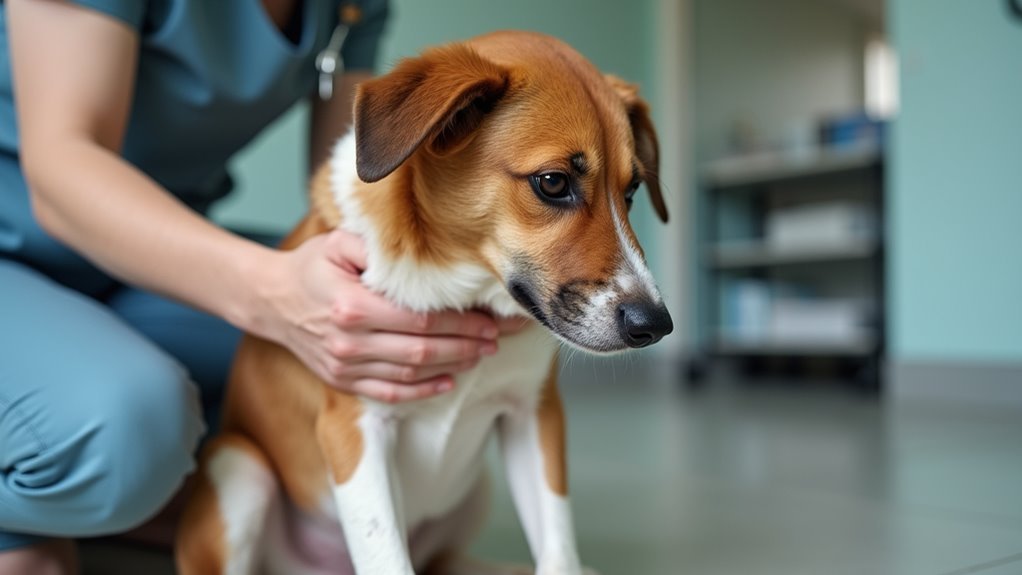
Should your dog’s coat has been changing, your vet will usually start by looking at the pattern, the skin, and your dog’s daily habits. They’ll ask about itching, fleas, collars, foods, and any new products. Then they perhaps do a hands-on exam to check for redness, bumps, scabs, or pain. Because clues can hide under the fur, they often use skin cytology to spot yeast, bacteria, or inflammation. They might also run skin scrapings, fungal panels, or blood work whenever hormones seem involved. Provided needed, diagnostic imaging can help rule out deeper problems.
- patch map of hair loss
- itch level and timing
- parasite signs
- skin odor or discharge
- home and diet changes
How to Treat Dog Hair Loss
Once your vet finds the cause of your dog’s hair loss, treatment can finally start to feel less overwhelming. You can help by giving every medicine on time, whether that means antibiotics, antifungals, parasite control, or hormone care.
For itchy skin, your vet might suggest topical treatments like medicated shampoos, sprays, or creams to calm redness and support healing. Keep your dog’s collar, bedding, and coat clean, and stop anything that rubs or irritates the skin.
Should allergies drive the problem, you could need diet changes and environmental control. Whenever stress or licking keeps the cycle going, behavioral modification can help your dog break the itch-scratch loop.
Stay patient. With steady care, you and your dog can get through this together.
Frequently Asked Questions
Can Tight Collars Cause Hair Loss on My Dog’s Neck?
Yes, a tight collar can cause hair loss on your dog’s neck through friction alopecia and collar dermatitis. You can loosen or replace it, then watch for redness, itching, and thinning; your dog deserves comfort.
Why Does My Dog Lose Hair Around Old Scars?
Old scars can lose hair because scar tissue does not grow fur normally, and nerve damage might alter skin health or sensation. You are not alone; numerous dogs show this, especially after injury, surgery, or repeated rubbing.
Can Seasonal Alopecia Cause Bald Patches in Dogs?
Yes, you can see bald patches with seasonal alopecia. Your dog might shed unevenly as seasonal shedding shifts and a hormonal imbalance slows regrowth. You will often notice recurring thinning, followed by recovery over months.
Do Tumors Ever Cause Hair Loss in Older Dogs?
Yes, you can see hair loss with tumors in older dogs, especially cutaneous tumors and paraneoplastic alopecia. You should have your vet check any new bald spots, lumps, or unusual skin changes promptly.
Can Chemotherapy Make My Dog’s Coat Fall Out?
Yes, chemotherapy can make your dog’s coat fall out like autumn leaves. You will see chemotherapy effects from the drugs and possible immune suppression, which can thin hair, slow regrowth, and leave you needing gentle care.