

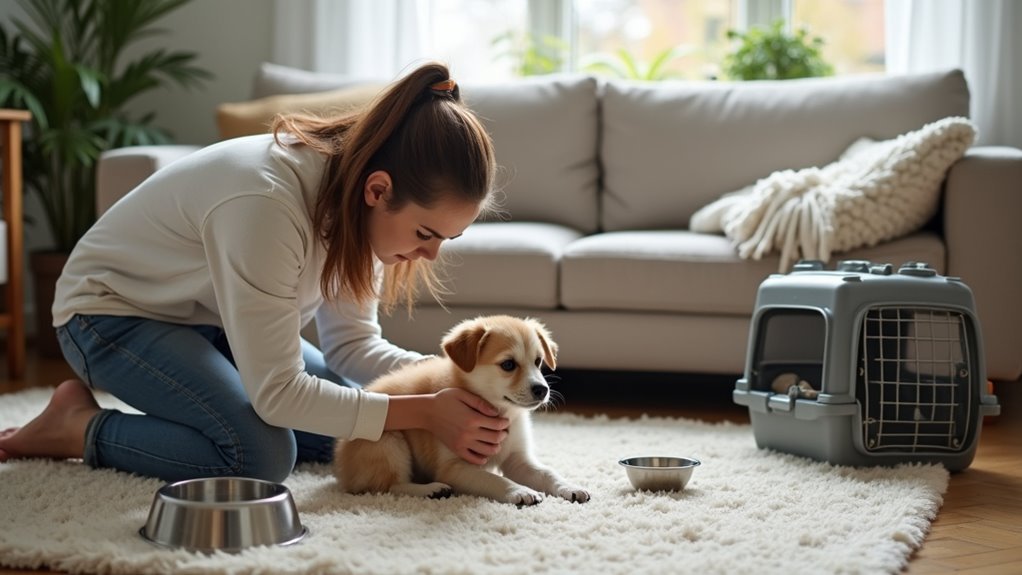

Dogs shake for many reasons: cold, fear, excitement, pain, or illness. Trembling from chills or joy is usually harmless. Shaking tied to stiff posture, whining, vomiting, or changes in appetite can signal a medical problem. Small breeds, older dogs, and certain breeds are more prone to tremors. Read on for clear signs and practical steps to help your dog feel better.
Why Is My Dog Shaking?
When your dog is shaking, it can feel worrying right away, but the cause is often something you can spot with a little careful looking.
You might notice cold air, wet fur, or a damp bed making your dog shiver, and that’s your cue to offer warmth and a dry spot.
In case the room feels calm but the trembling continues, look for fear, pain, or nausea, since those can show up as shaking too.
Some dogs also have a genetic predisposition to tremble, while older pets could show age related trembling that seems mild but still deserves your attention.
Watch for extra signs like hiding, stiffness, or weakness.
Once you notice patterns, you’re not alone, and you can get help faster.
Common Benign Causes of Dog Shaking
Often, dog shaking has a simple and harmless cause, and that can be a relief for you right away.
You could notice it whenever your dog feels cold after a bath, a rainy walk, or a chilly room. Small dogs and those with breed sensitivity often tremble sooner, because they lose heat faster.
Your dog might also shake from excitement, like greeting you at the door or waiting for a favorite treat.
Stress can do it as well, especially during loud noises or new places.
Some dogs even show age related tremors as they get older. In these moments, warm bedding, a calm voice, and a cozy space can help your dog feel safe, settled, and part of your pack.
When Dog Shaking Is Normal
Your dog’s shaking can be totally normal whenever it happens right after sleep, since many dogs give a quick full-body tremor as they wake up and stretch.
You might also notice a happy little shiver during greetings, play, or other exciting moments, and that’s usually just extra energy spilling out.
Cold weather can bring on shivering too, especially should your dog be small, wet, or sitting in a chilly spot.
Post-Sleep Tremors
After a good nap, some dogs wake up with a brief shake, stretch, or full-body wiggle, and that can be completely normal. In post sleep moments, your dog could reset stiff muscles, ease muscle soreness, and move through REM relapses and sleep shifts. You might notice a tiny tremor, then a calm blink and a wag. That usually means the body is waking up, not warning you.
| Sign | Meaning |
|---|---|
| Quick shake | Normal wake-up |
| Loose stretch | Muscles loosening |
| Short tremor | Sleep shift |
| Calm behavior | No concern |
| Fast recovery | Typical post sleep |
If the shaking stops fast and your dog acts like themself, you can relax. Whenever you see this pattern, you’re not alone, and most pet parents notice it now and then.
Excitement Shivers
That quick wake-up shake isn’t the only time dogs let their bodies buzz a little. When your dog sees you, spots a leash, or rushes into play, you could notice greeting tremors and play induced quivers.
These little shakes often show pure joy, not trouble. Your dog’s muscles tense up with excitement, then release fast, and the body gives off a brief wobble.
You might also see a wagging tail, bright eyes, and a bouncy stance. In moments like these, stay calm and enjoy the connection.
A steady voice, a quick pat, or a short play break can help your dog settle. Should the shaking stop once the excitement passes, that’s usually a normal, happy reaction.
Cold Weather Shaking
| Sign | What you can do |
|---|---|
| Wet fur | Dry your dog fast |
| Cold floor | Add a blanket |
| Light coat | Use a sweater |
| Drafty room | Move to warmth |
| Mild shiver | Watch closely |
When your dog perks up after warmth, you’re likely seeing simple chill, not trouble. Offer a cozy bed, dry shelter, and gentle comfort, and you’ll help your dog feel safe and snug. Should shaking keep going, it’s worth a vet check.
Serious Health Problems Behind Dog Shaking
Sometimes shaking is more than a simple chill or a burst of nerves, and it can point to a serious health problem that needs quick attention.
You might see this with autoimmune encephalitis, where your dog’s brain gets inflamed and tremors can come with confusion or odd behavior.
Metabolic encephalopathy can also cause shaking whenever the body’s chemistry goes off balance.
Low blood sugar, kidney failure, Addison’s disease, and infections like distemper can also trigger weakness, wobbling, or seizures.
Should your dog’s shaking look new, strong, or paired with vomiting, pain, or disorientation, stay calm and take note of the details.
That small record can help you and your vet feel more prepared, supported, and ready to act together.
When to Call the Vet for Dog Shaking
You should call the vet right away should your dog’s shaking comes with drooling, collapse, trouble breathing, vomiting, or signs of toxin exposure.
Should the trembling keeps going, comes in clusters, or shows up with pain, weakness, fever, or confusion, your dog needs a prompt exam.
Before you go, remember when the shaking started, what your dog ate, any meds given, and any other symptoms you saw.
Emergency Warning Signs
Upon your dog starting to shake hard and the cause isn’t obvious, it’s wise to treat it as more than a passing quirk. Check for seizure recognition signs like stiff limbs, staring, drooling, or loss of awareness.
Should the shaking come with collapse, blue gums, trouble breathing, or sudden weakness, call your vet or an emergency clinic right away. You should also act fast when you notice vomiting, extreme drooling, fever, or a possible toxin exposure. These signs can point to poisoning, low blood sugar, heat stress, or cardiac arrhythmias.
Should your dog seem confused, can’t stand, or shakes in short bursts, don’t wait for it to settle on its own. Stay calm, keep your dog safe, and get help quickly so you’re not handling this alone.
Shaking That Persists
Should your dog keeps shaking for more than a few minutes, it’s a sign to stop guessing and pay closer attention.
In case the trembling won’t ease, call your vet, especially whenever it starts again and again or looks like chronic tremors.
You know your dog best, so trust it whenever the shaking feels off.
Pair that with weakness, vomiting, confusion, or trouble walking, and don’t wait.
Your vet might need to check for pain, low blood sugar, toxin exposure, or another illness.
In case your dog takes medicine, mention any recent changes, because medication monitoring can help spot side effects fast.
Calm your dog, keep the room quiet, and observe how long it lasts.
That simple record can help you and your care team act quickly.
Vet Visit Preparation
Whenever your dog keeps shaking and the cause still isn’t clear, it helps to get ready for the vet visit right away. Bring a short appointment checklist so you don’t forget when the shaking started, how long it lasts, and what seems to trigger it. Add a medication list with every prescription, supplement, flea product, and any recent dose change.
If possible, record a video of the trembling and note eating, drinking, vomiting, limping, or hiding. Tell your vet about possible toxin exposure, recent injury, stress, or cold weather. This gives your clinic team a clearer image and helps your dog get care faster. You’re not overreacting. You’re being the steady person your dog needs.
How to Help a Shaking Dog
Whenever your dog starts shaking, the initial step is to stay calm and look for the clue behind it, because trembling can come from something simple like cold, stress, or excitement, but it can also point to pain or a medical problem.
To begin, move your dog to a warm, quiet spot and offer a blanket or sweater provided it’s chilly. Should fear seem likely, speak softly and keep the room peaceful. A gentle calming massage can help your dog relax, and hydration support matters in case your dog has been panting, active, or seems off.
Next, watch for limping, drooling, vomiting, weakness, or confusion. In the event the shaking looks severe, lasts longer, or comes with other signs, call your vet right away so your dog gets the care your pack counts on.
How to Prevent Dog Shaking
Keeping your dog from shaking starts with grasping what usually sets it off, because a little prevention can save both of you a lot of worry.
Keep your pup warm and dry after walks, baths, or rainy play, and give a cozy bed away from drafts.
Next, lower stress by using calm routines, soft sounds, and environment enhancement like puzzle toys and short training games. That helps your dog feel safe and settled.
Also, watch meals closely. Small, timely portions and dietary adjustments can steady sensitive stomachs and support dogs that get shaky whenever they feel sick.
Then, protect against pain with regular vet checkups, healthy exercise, and weight control.
Finally, keep toxic foods, medicines, and strange plants out of reach. Whenever you stay ahead of triggers, your dog can relax more often.
Frequently Asked Questions
Can Certain Dog Breeds Shake More Than Others?
Yes, some dogs shake more often, especially small breeds and nervous breeds. You’ll notice it most in chilly or stressful moments, but that trembling can also signal discomfort, so watch closely.
Does Age Affect How Often Dogs Tremble?
Yes, age can affect trembling. Puppies might show developmental tremors, while older dogs can have senior onset shaking from pain, weakness, or illness. You should watch for patterns and ask your vet if it is frequent.
Could My Dog Be Shaking From Excitement Alone?
Yes, your dog can shake from excitement alone. You will often notice vocalization cues, bouncy body language, and redirected energy during greetings or play. If the trembling fades quickly, it is usually harmless and caused by shared joy.
Can Dehydration Cause Shaking in Dogs?
Yes, dehydration can make your dog shake, especially if you notice weakness or dry gums. You should watch for electrolyte imbalance or kidney dysfunction, and get veterinary help should trembling persist or your dog seem unwell.
Should I Monitor My Dog’s Temperature When Shaking?
Yes. Monitor your dog’s temperature with simple methods when shaking occurs with illness, heat, or an unknown cause. Why guess? Watch fever thresholds and call your vet quickly if readings rise or symptoms worsen.