

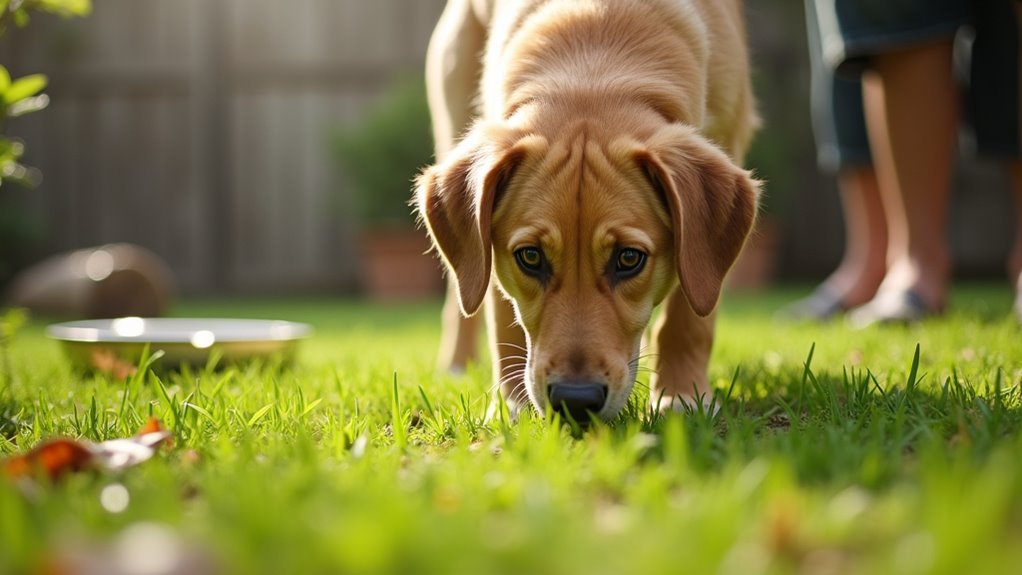

Dogs eat grass for simple reasons: taste, texture, boredom, digestion, or nutritional gaps. Many dogs enjoy the crunch and smell, while some chew grass to soothe a queasy stomach. Repeated grazing can signal a missing nutrient or a behavioral issue that needs attention. Watch for excessive drooling, vomiting, lethargy, or sudden changes in appetite as clues that a vet visit is warranted. This article explains common causes, signs to watch for, and practical steps to help a grass-eating dog stay healthy.
Why Do Dogs Eat Grass?
Dogs eat grass for a mix of normal, everyday reasons, and most of the time it’s nothing to panic about. You could see your dog nibble it for the taste, the texture, or just because it’s there.
Boredom and stress can also push this habit, especially when your dog needs more play or calm time with you. Sometimes, breed tendencies and seasonal cravings seem to play a role too, since some dogs look for extra plant matter when routines change.
Grass can also add roughage, which can help digestion and keep things moving more smoothly. In other cases, your dog might be following instinct, curiosity, or a learned habit. So, should your pup graze now and then, you’re not alone.
Is Grass Eating Normal for Dogs?
Yes, grass-eating is usually normal for dogs, and it often doesn’t mean anything is wrong. You might notice it more during seasonal variation, like spring, whenever fresh blades smell and taste better.
Some dogs show breed tendencies too, so your pup could nibble while another ignores the lawn. In many cases, you’re seeing a simple habit, curiosity, or a quick snack of roughage.
Grass can add a little fiber, and that could help your dog’s digestion feel steady. Still, normal doesn’t mean constant.
Should your dog start eating grass far more often, or also seems tired, uneasy, or off food, it’s worth paying attention. You belong to the crowd of caring owners, and small changes can help you spot whenever your dog needs a closer look.
Boredom and Grass Nibbling
When you notice your dog nibbling grass out of nowhere, boredom could be part of the reason. Your dog perhaps is looking for a little mental stimulation, or simply turning grass into a playful habit whenever nothing more exciting is going on.
A quick walk, a toy, or a short training game can often give your dog a better outlet for that restless energy.
Mental Stimulation Needs
- Rotate toys so your dog stays curious.
- Hide treats for short scent searches.
- Add training games that build focus.
These small changes help your dog feel included, not ignored. Whenever your dog gets more mental exercise, grass often matters less.
You’re not fixing a problem dog, just meeting a real need with care and consistency.
Playful Grazing Habits
Often, a bored dog will treat grass like a tiny outdoor snack bar. Whenever you’re both stuck in a slow afternoon, a few nibbles can turn into playtime grazing. Your dog might chew, spit, and wander off, more from fun than hunger.
This little habit often shows up during seasonal grazing too, especially whenever fresh shoots pop up and your pup wants to investigate every scent. You can consider it as a small game, not a big problem.
Still, in case your dog keeps doing it, boredom could be calling for more walks, toys, or training. Whenever you add richer play and attention, grass usually loses its charm, and your dog feels more included, busy, and content.
Taste, Texture, and Habit Triggers
A dog’s nose and mouth do a lot of the deciding here, because grass can feel interesting in a way that plain kibble just doesn’t. You might see your dog treat it as sensory exploration, trying out taste, bite, and springy texture. Some dogs also show a seasonal preference, nibbling more whenever fresh blades pop up and seem extra tempting.
- The flavor can seem mild, cool, and a little new.
- The texture can scratch an itch for variety.
- Habit can turn one curious bite into a routine.
Whenever you and your dog settle into everyday patterns, that routine can stick fast. So should your dog graze now and then, you’re not alone, and it usually just reflects a familiar comfort, not a big drama.
Can Grass Eating Mean a Nutrient Gap?
Sometimes, grass grazing can hint at a small nutrition gap, especially in case your dog’s regular food doesn’t give enough fiber or plant matter. You don’t need to panic; it often points to dietary balance, not a crisis. In a simple check, ask yourself:
| What you notice | What it might indicate |
|---|---|
| Frequent nibbling | Low fiber |
| Picky meals | Missing variety |
That’s where micronutrient exploration can help. Should your dog eats a complete food, grass chewing could still come from curiosity or routine. But were you to see a pattern, talk with your vet about the label, portion size, and treat load. You and your dog deserve a plan that feels steady, supportive, and part of your pack.
Why Dogs Eat Grass for Upset Stomachs
Whenever your dog eats grass with a queasy look, it can feel worrying fast, but the habit does have a simple side to it.
Some dogs seem to use grass as digestive signaling, almost like their body’s way of asking for help.
The roughage can nudge the gut, and that could ease stomach discomfort for a short time.
- Grass adds fiber that can support smoother digestion.
- A light bite might help some dogs feel better if their stomach is off.
- Your dog could also be following instinct, not drama.
Signs Your Dog May Be Nauseous?
Should your dog seems off and starts grazing grass, nausea could be part of the story, but it usually shows up with other clues too.
You might notice behavioral signs like licking lips, swallowing hard, pacing, or turning away from food.
Your dog could also look restless, drool more, or seem quieter than usual.
Watch for subtle cues such as a lowered head, a tucked posture, or a sniff-and-stop pattern near meals.
In case your dog keeps checking the floor, then that can point to stomach discomfort.
You know your dog best, so trust those little changes.
Whenever these signs cluster together, they can hint that your pup doesn’t feel settled.
Stay calm, keep observing, and observe what changed before reaching out for guidance.
Why Dogs Eat Grass and Then Vomit?
Whenever your dog eats grass and then vomits, it can feel upsetting, but that chain of events doesn’t always mean something serious is wrong. Sometimes the grass causes stomach stimulation, and your dog throws up soon after. Other times, the grass is simply there, and the vomiting comes from a mild tummy upset that was already building. You’re not alone in noticing this pattern, and many pet parents see it now and then.
- Your dog might like the taste or texture.
- Boredom can lead to grass chewing and behavioral reinforcement.
- Grass could help with roughage and normal digestion.
When Grass Eating Needs Veterinary Attention
Should your dog eat grass often and then throw up, you should pay close attention to how often it happens and how strong the vomiting seems.
You also need to watch for signs like a sore belly, loose stool, drooling, low energy, or not wanting food.
Whenever these problems show up together, your dog might need a vet to check for digestive distress instead of just a simple grass-eating habit.
Frequent Vomiting Signs
Occasionally, a dog will nibble on grass and then throw up once, and that alone doesn’t always mean something is wrong. But should you keep seeing it, you should pay attention, because frequent vomiting can point to something deeper. You’re not overreacting when you notice a pattern.
- Watch for chronic regurgitation after meals, since that can suggest a need for a vet check.
- Look at diet changes, because dietary intolerance can make your dog seek grass and then vomit again.
- Notice how often it happens, since repeat episodes might mean your dog needs support.
Should your dog seem to fit in with your concerns, trust that feeling and call your vet. You know your dog best, and your care helps them feel safe.
Digestive Distress Indicators
Whenever grass eating turns into a pattern, you’ll want to look past the lawn and check for digestive distress.
Should your dog also has gut sounds, loose stool, or throws up after grazing, trust your gut and call your vet.
Appetite changes matter too. Whenever your pup skips meals, begs for food, or seems unsure about eating, something might be off inside.
You could also notice whining, lip licking, belly tension, or less energy than usual. These signs can point to nausea, constipation, worms, or stomach irritation.
Occasional grass munching can be normal, but repeated grazing with these symptoms deserves attention.
Through staying alert, you help your dog get relief sooner, and you give your pack member the care they need.
Is Grass Safe for Dogs to Eat?
Yes, grass is usually safe for dogs to eat in small amounts, and for many dogs, it’s just a normal part of being a dog. You can relax whenever your pup nibbles pet safe outdoor or indoor grasses, especially during seasonal growth. Still, you should watch for grass allergies or repeated tummy trouble.
- A little grass often passes through without a problem.
- Fresh, clean indoor grasses can feel safer for curious chewers.
- Should your dog seems itchy, sick, or stressed, pay attention.
You belong in the group of dog parents who notice the small stuff. So, in case your dog grazes now and then, don’t panic. Instead, keep an eye on patterns, because what looks quirky can simply be your dog’s way of exploring the world.
Risks of Pesticides and Fertilizers
Provided that your dog eats grass that’s been sprayed with pesticides, you could be exposing them to chemicals that irritate the mouth, stomach, or nervous system.
Fertilizers can also cause trouble, and you may notice signs like drooling, vomiting, diarrhea, or unusual weakness.
Whenever grass looks treated or smells strong, it’s safest to keep your dog away and watch for any sudden changes in behavior.
Pesticide Exposure Risks
Even though grass itself is usually harmless, the real worry could be what’s sitting on it. In case you snack on treated lawns, you might pick up chemical residues that cling to blades and soil. That can upset your dog’s mouth or stomach, and it can also expose nearby pets through paw licking. To keep your pack safe, check where you walk and graze.
- Choose untreated parks or yards whenever you can.
- Ask neighbors about sprays prior to playtime.
- Rinse paws after visits to shared spaces.
Because pets often follow each other’s habits, one careful choice helps the whole group. Also, wildlife runoff can carry lawn chemicals into puddles and ditches, so steer clear of grass near drainage areas. A little awareness goes a long way, and you’re not being fussy. You’re just looking out for your buddy.
Fertilizer Toxicity Signs
Fertilizer can turn a safe-looking yard into a trouble spot fast, and your dog could show signs within minutes to hours after getting into it. You might notice drooling, vomiting, diarrhea, belly pain, or shaky behavior.
In heavier cases, your dog can seem weak, restless, or have a racing heart. Because soil contaminants can cling to paws and fur, your dog could keep taking in chemical ingestion even after leaving the lawn.
Should you see these signs, call your vet or poison help right away. Also, keep the label handy, since the exact product matters. A quick rinse with lukewarm water can lower risk while you wait.
Then, give your dog fresh water and stay calm. Your steady care helps your dog feel safer.
How to Reduce Grass Eating at Home
At home, you can often cut down on grass eating through giving your dog better ways to meet the same need. Try this:
- Add environmental enrichment with puzzle toys, sniff walks, and short training games.
- Try a diet adjustment by checking fiber and meal timing with your dog’s food.
- Keep fresh water and safe chew toys close, so your dog has other choices.
When you stay active with your dog, you help boredom fade and comfort grow. A busy mind often leaves less room for grazing.
In case your dog still heads for the lawn, redirect gently and reward the swap. That simple habit builds trust, and it helps your dog feel part of your daily rhythm.
Small changes can make home feel calmer for both of you.
When to Call Your Veterinarian
Should your dog only nibbles grass now and then, you mightn’t need to worry, but certain changes ought to catch your attention. Call your veterinarian should the grass eating turns frequent, your dog vomits, or you see diarrhea, belly pain, or low energy.
You should also reach out should your dog stops eating meals, loses weight, or suddenly seems restless after grazing. Owner observations matter here, because small shifts can tell a bigger story.
In case your dog has seasonal allergies, skin itching, or repeated licking along with grass eating, mention that too. Your vet can help sort out whether this is a simple habit or something that needs care.
Trust your gut, and don’t wait should the behavior feels off to you.
What Grass Eating Can Tell You About Your Dog
Whenever your dog eats grass, it can sometimes point to nausea or an upset stomach, especially in case you also see lip licking, drooling, or vomiting.
It can also happen whenever your dog feels bored, stressed, or under-stimulated, so the behavior could be more about mood than illness.
You should pay closer attention in case the grass-eating becomes frequent or shows up with diarrhea, loss of appetite, or low energy.
Vomiting or Nausea Signs
Sometimes, grass eating can look like a quiet warning sign that your dog feels nauseous or has an upset stomach. You know your dog best, so watch for appetite changes, lip licking, drooling, or swallowing hard. These signs can show up before vomiting starts, and that’s where you’ll want to pay close attention.
- Should your dog graze and then vomit, note the timing.
- Check for medication interactions in case your dog recently started a new pill.
- Call your vet should the behavior repeats or seems sudden.
A little grass mightn’t mean much, but paired with vomiting, it can tell you your buddy needs care. When you stay alert, you help your dog feel safe, seen, and supported.
Boredom or Stress Clues
A lot of the time, grass eating is your dog’s way of saying, “I need a better outlet.” Should your pup starts nibbling the lawn more often, boredom could be the real clue, especially should they spend long stretches alone or get the same routine every day.
| Clue | What You Notice | Better Outlet |
|---|---|---|
| Restless pacing | More lawn grazing | Daily walks |
| Chewing shoes | Extra energy | Interactive toys |
| Clingy behavior | Stress signs | Calming pheromones |
| Fast grass bites | Repeated habit | Playtime |
You can help through adding short training games, sniff walks, and puzzle feeders. Provided your dog seems tense, a quiet space and calming pheromones might ease the pressure. Once you give your dog more to do, grass often stops feeling so tempting, and your home starts to feel calmer for both of you.
When It Becomes Concerning
Should your dog only grazes now and then, it usually isn’t a big deal, but a change in pattern can tell you more. In case the habit grows, pay attention to what else is happening around it.
Seasonal changes can affect appetite and boredom, while social triggers, like new pets or visitors, might add stress. Watch for these signs:
- Vomiting, diarrhea, or lip licking
- Less interest in food or play
- Frequent grazing, pica, or eating after every walk
These clues matter more than the grass itself. You know your dog best, so trust that feeling whenever something seems off.
Should the habit come with tiredness, belly pain, or sudden weight loss, call your vet soon. Quick checks can help you and your dog feel safe together.
Frequently Asked Questions
Can Puppies Eat Grass More Often Than Adult Dogs?
Yes, you’ll often see puppies eat grass more than adult dogs because puppy teething and dietary exploration drive them to chew, taste, and learn. You’re usually fine unless they vomit, seem sick, or eat lots.
Does Grass-Eating Happen More in Certain Dog Breeds?
Yes, you’ll notice some breed tendencies, and a few dogs might have a genetic predisposition to graze more often. Still, you’re usually seeing personality, boredom, or diet rather than a breed specific problem.
Could Indoor Plants Trigger the Same Behavior as Grass?
Yes, indoor plants can trigger the same behavior if you leave them within reach, especially when your dog seeks novelty, fiber, or relief from boredom; watch for indoor toxicity and offer safe plant alternatives instead.
Is Grass-Eating Linked to Seasonal Changes or Weather?
Yes, you may notice grass eating more with seasonal changes or weather shifts. For some dogs, seasonal appetite and weather sensitivity nudge them to graze, especially if boredom, stress, or routine changes come and go.
Can Training Reduce Grass-Eating in Anxious Dogs?
Yes, you can reduce it with behavior modification and exposure therapy, especially if you pair calm rewards, redirection, and richer enrichment. You will help your anxious dog feel safer, more connected, and less driven to graze.