
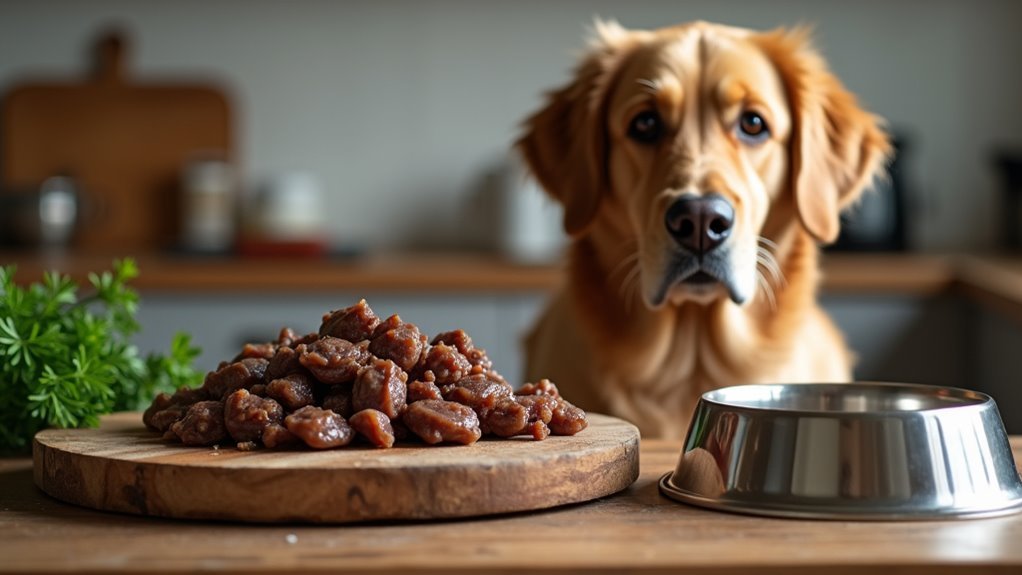

Yes — dogs can eat beef liver in small amounts. Beef liver is extremely rich in vitamin A, iron, B vitamins, and protein that support coat, energy, and red blood cell health. Feed liver as an occasional treat rather than a regular meal component to avoid nutrient imbalances and vitamin A toxicity. Cook plainly without seasonings, onions, or garlic, and cut into appropriate portions for your dog’s size. Gradually introduce liver and monitor stool, appetite, and activity for any adverse reactions.
Can Dogs Eat Beef Liver?
Yes, dogs can eat beef liver, and it can be a healthy treat provided you keep the portion small and serve it the right way.
You’re not alone whether you want to share something tasty with your dog. Beef liver usually fits well while you watch dog digestion and begin with a tiny bite. That lets you see how your dog handles it without upsetting the stomach.
In case your dog has never had it before, try allergy screening through offering a small amount initially, then wait and watch for itching, vomiting, or loose stool.
Serve it plain, not seasoned, and keep treats like this occasional. With the right care, you can feel good about giving your dog a safe little reward.
Beef Liver Nutrition for Dogs
Beef liver packs a lot of nutrition into a small serving, so you can give your dog a treat that does more than just taste good.
It’s rich in vitamin A, B vitamins, iron, copper, and zinc, which help support energy, vision, skin, and immune health.
Even so, you’ll want to keep portions small, because too much liver can quickly add more vitamin A than your dog needs.
Nutrient Density
As you look at dog food facts, liver stands out because it packs a huge amount of nutrition into a very small bite. This organ meat gives your dog concentrated protein and dense fuel, so a tiny piece can feel like a big win at mealtime.
You also get a treat that fits well with culinary uses like training rewards or meal toppers. Because the nutrients are so packed together, you don’t need much to make an impact.
That’s good news when you want to spoil your dog without crowding out the rest of the bowl. Still, this richness means you should serve it sparingly. Consider it as a powerful add-on, not a daily staple, and your dog can enjoy the lift with ease and balance.
Vitamin And Mineral Content
Because beef liver is so nutrient-rich, it delivers a long list of vitamins and minerals in just a small serving. You give your dog vitamin A for vision, B vitamins for energy, and vitamin K for normal clotting. You also support iron, copper, zinc, phosphorus, and selenium, which help blood, skin, nerves, and immunity.
- These nutrients work through micronutrient interactions, so one mineral can help or block another.
- Pairing liver with a balanced meal can improve use of these nutrients.
- Gentle cooking can serve as one of the absorption facilitators your dog’s body might welcome.
That means you don’t just offer a treat; you add a tiny, powerful uplift. Because the flavor is rich, many dogs feel like they’ve joined the VIP club at dinnertime.
Benefits of Beef Liver for Dogs
Beef liver gives your dog a strong dose of protein, so it can help fuel muscles and daily energy.
It also brings key nutrients like iron and B vitamins, which support healthy blood and help your dog feel his best.
Whenever you use it in small portions, you can add real nutrition without overloading his diet.
Nutrient-Dense Protein Source
Rich in key nutrients, liver can give your dog a strong lift in a very small serving. You’re giving your buddy a protein that feels like a treat and acts like fuel. It brings amino acids plus vitamin A, B vitamins, copper, and zinc, so every bite packs real value. With careful organ sourcing, you also keep the quality high and the risk low.
- Choose plain, fresh liver from a trusted source.
- Keep portions small so you don’t crowd out regular meals.
- Use light culinary pairing with kibble or as a reward.
Because this food is so dense, a little goes a long way for your pack member. That makes it easy to fit into your routine without turning dinner into a juggling act.
Supports Healthy Blood
Liver does more than add flavor to your dog’s bowl. It gives you a simple way to support healthy blood, because it’s rich in iron and B vitamins. These nutrients help with iron absorption, so your dog can use what it eats more effectively. That matters whenever you want steady energy, bright eyes, and a strong, lively feel.
Liver also supports red cell regeneration, which helps the body make fresh red blood cells. Should your dog seem tired or needs a nutrient uplift, a small serving can help fill the gap without taking over the meal. Just keep portions modest, because too much liver can cause problems.
Whenever you employ it wisely, you’re giving your dog a nourishing treat that feels like part of the pack.
How Much Beef Liver Can Dogs Eat?
The right amount of beef liver for your dog is usually much smaller than you could expect, because this food packs a powerful nutrient punch. You can use tiny servings that fit your dog’s size, age considerations, and overall diet. For portion frequency, consider in small, planned treats, not a big helping that steals the spotlight from balanced food.
- Small dogs usually need just a bite or two.
- Medium dogs can handle a little more, but still not much.
- Large dogs might take a modest piece, yet restraint still matters.
Start low, watch your dog’s belly, and adjust with care. Should your pup be young, older, or have health concerns, you’ll want to stay even more careful.
That way, you keep liver helpful, safe, and welcome at the bowl.
How Often Should Dogs Eat Beef Liver?
Usually, dogs should eat beef liver only a few times a week, not every day, because this tiny serving can add a lot of vitamin A very fast.
That feeding frequency helps you keep treats special while protecting your dog from too much of a good thing.
You can offer it as a reward, meal topper, or training snack, then leave room for the rest of the diet.
Should your dog gets other organ meats, ease back a bit more.
Seasonal variation can matter too, since active dogs in colder months might burn more energy, but liver still shouldn’t become a daily habit.
Watch how your dog feels, and were you unsure, your vet can help you find a schedule that fits your pup’s needs and keeps your pack feeling safe.
Beef Liver Serving Sizes by Dog Size
Whenever you size up beef liver for your dog, the right portion depends a lot on whether you have a tiny pup or a big, hungry buddy. Small dogs usually need just a bite or two, whilst large dogs can handle a bit more, but still only in careful amounts. That way, you can give a tasty treat without overdoing the liver or upsetting your dog’s balance.
Small Dog Portions
For a small dog, beef liver should stay a tiny treat, not a big snack, because even a little goes a long way. You can consider in simple portion examples: a pea-sized bite for training, or one thin sliver after a meal. Keep treat frequency low, too, so you don’t crowd out your dog’s balanced food.
- Start with a tiny piece and watch how your dog feels.
- Give liver only a few times a week, not daily.
- Save it for moments when you want a special reward.
That way, you and your dog can enjoy the same happy routine without upsetting the tummy. Should your pup has a sensitive stomach, trim the amount even more and stay gentle.
Large Dog Portions
Should your dog is bigger, you can give a little more beef liver, but the same careful rules still matter.
For large dogs, start with modest portion adjustments so you don’t crowd out their balanced meals. A good target is about 2 to 3 ounces per week, split into small servings.
Should your dog runs hard, hikes, or trains often, activity based portions can help, but they still need limits because liver is rich in vitamin A.
You can use plain, cooked, or dehydrated pieces as treats, or mix tiny bits into food.
Watch for loose stools, then ease back should it be needed.
Whenever you keep beef liver in check, you help your big buddy enjoy the perks without overdoing it.
How to Cook Beef Liver for Dogs
Gentle cooking makes beef liver safer and easier for your dog to enjoy, and the best method is usually simple: use plain liver with no salt, seasoning, oil, onion, or garlic.
You can simmer it in water until it’s firm, then let it cool before cutting it into tiny bites for training or topping meals. Should you like making homemade liverbites, bake thin slices on low heat until dry but not burnt.
After that, follow basic storage tips so your dog’s treats stay fresh and tidy.
- Keep portions small and easy to chew.
- Let liver cool fully before serving.
- Store cooked pieces in the fridge for a few days.
When you handle it this way, you help your dog stay safe and feel included at treat time.
Raw vs. Cooked Beef Liver
Now that you know how to cook beef liver for dogs, it helps to ask a bigger question: is raw liver better, or is cooked liver the safer pick?
For food safety, cooked liver usually gives you more peace of mind because heat lowers the chance of harmful germs. Raw liver can work for some dogs, but it needs careful handling, fresh sourcing, and clean storage.
Your dog might also show texture preferences, since some pups love the soft bite of raw liver while others prefer the firmer, milder taste of cooked pieces. So, you could choose the style that fits your routine and your dog’s comfort.
Either way, keep portions small, serve it plain, and introduce it slowly so your dog can enjoy it with confidence.
Risks of Too Much Beef Liver
Even a small piece of beef liver can cause problems should it show up too often, because this food is packed with vitamin A and other powerful nutrients. Whenever you feed too much, you can push your dog toward vitamin A buildup, excess calcium, and bone fragility. That can make joints and bones feel less sturdy, especially in growing pups.
You might also see stomach upset, and your dog’s body can react with immune overload or allergic reactions ought it’s sensitive.
- Keep liver as a small part of the plate.
- Watch for stiffness, itching, or loose stool.
- Treat it like a special snack, not a daily habit.
Supposing you share your table with a furry friend, these limits help your dog stay comfy, balanced, and part of the pack.
How to Introduce Beef Liver Safely
After you’ve kept beef liver in check, the next step is to introduce it gradually so your dog’s tummy doesn’t get shocked because of the new treat. Start with a tiny bite, then wait a day and watch for loose stool, itching, or extra gas.
Should your dog stay comfortable, you can offer a slightly larger piece next time. This gradual introduction helps you spot trouble prematurely and keeps mealtime calm for both of you.
For dogs with sensitive stomachs, ask your vet about food allergy screening before you make liver a regular treat. Keep the liver plain, cooked, and unseasoned, so you’re not adding extra stress to the bowl.
Through moving slowly, you help your dog feel safe, included, and ready to enjoy this rich treat.
Frequently Asked Questions
Can Puppies Eat Beef Liver?
Yes, you can give puppies beef liver in tiny puppy portions. Introduce liver slowly, keep it plain, and limit it to occasional treats. Too much can trigger vitamin A overload. Check with your vet initially.
Is Beef Liver Good for Dogs With Allergies?
Beef liver can trigger your dog’s allergies, so it is not a safe default. If you are trying elimination diets, skip it unless your vet approves. Watch food sensitivities closely and choose simpler treats instead.
Can Dogs Eat Beef Liver Every Day?
No, you should not feed your dog beef liver every day. It is rich and rewarding, but moderation matters. Practice portion control so you keep your pup healthy, included, and happily thriving with balanced meals.
Does Beef Liver Cause Diarrhea in Dogs?
Yes, beef liver can cause diarrhea in your dog if you overfeed it or introduce it too quickly. Feeding too much can trigger digestive upset and, over time, lead to liver toxicity. Start with a small amount and watch your pup closely.
Can I Use Beef Liver as Training Treats?
Yes, you can use beef liver as training treats, because your dog clearly deserves gourmet paychecks. Use high value rewards like mini liver bites, keep portions tiny, and you will enhance focus without sabotaging balance.