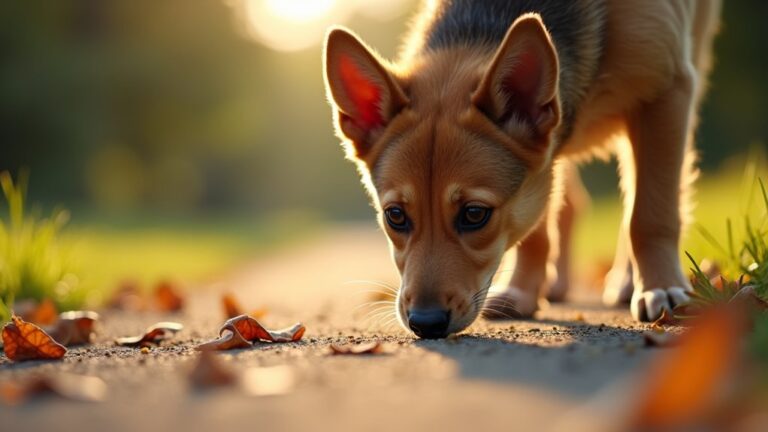

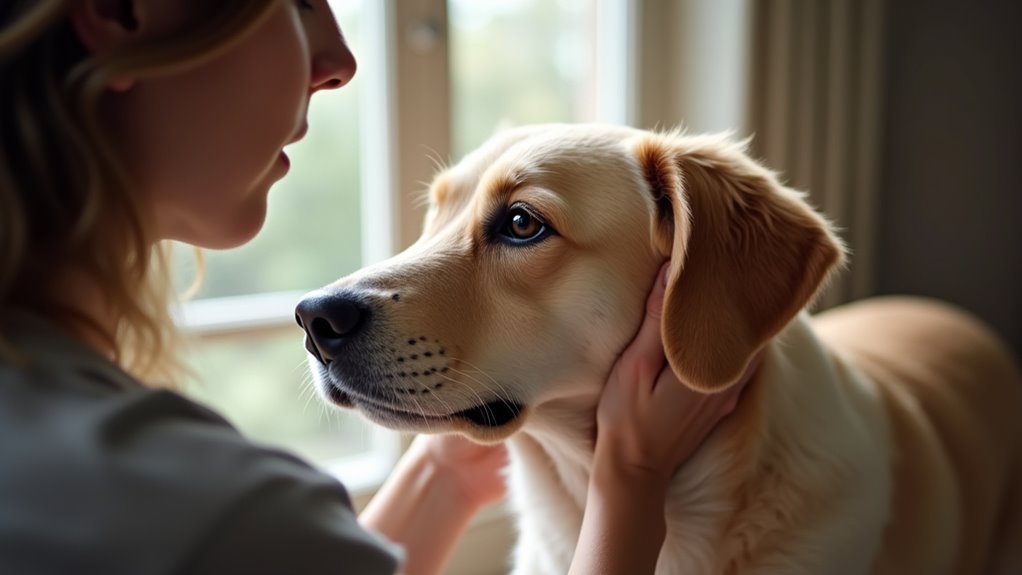

Yes, cold ears on a dog can be perfectly normal. Thin skin, sparse fur, and rapid heat loss make ears cool quickly, especially in small or short-coated breeds and after swimming or being wet. Stress, poor circulation, or illness can also cause colder ears and deserve attention. Watch for additional signs such as lethargy, pale or bluish gums, shivering, or persistent coldness. This article explains common causes, how to spot concerning signs, and simple steps to help keep your dog comfortable and healthy.
Why Dog Ears Feel Cold
A dog’s ears can feel cold for a few simple reasons, and most of the time, it’s nothing to panic about.
You might notice this whenever your dog is relaxing in a cool room or after time outside. The ears have less insulation than the rest of the body, so they lose warmth fast. Your dog’s body can also shift blood flow away from the ears to protect core heat. That’s why the change can feel sudden.
Because ears are also very sensitive to touch, you’ll often feel the coolness before you spot any other sign. In many cases, this is just your dog’s body working well.
Still, should the cold feel extreme or doesn’t pass, pay attention and watch for other changes.
Normal Reasons Dog Ears Feel Cold
Most of the time, cold ears are simply part of normal body temperature control, and that can be reassuring to see. Your dog’s body might send less blood to the ears to save warmth for the heart and belly.
Because ears have little fat, they cool fast, especially during seasonal behavior like brisk walks or after play outside. Then, whenever your dog comes back in, indoor acclimation can take a little time, so those ears could still feel chilly for a while.
A cool room, damp fur, or a nap on the floor can also make them seem colder than usual. In the event your dog is bright, eating, and acting like himself, you can usually relax and enjoy the cozy moment together.
Breed Differences in Ear Temperature
Different breeds can feel colder in the ears because their ear shape changes how much heat they lose. Should your dog have thin, short-haired, or lightly insulated ears, you might notice cooler tips faster than with a fluffier breed.
Size and circulation also matter, so a small dog or one with less blood flow to the ears can feel chilly sooner.
Breed Ear Shapes
Breed shape matters more than many people realize once you notice cold ears on your dog. You’ll see that ear cartilage and genetic variation can change how fast heat leaves the ear tips. Thin, upright ears often feel cooler because they expose more surface to air. Floppy ears can hold warmth differently, yet they could also trap moisture and invite problems.
Fur And Insulation
Soft fur can make a dog’s ears feel warmer, but it doesn’t always protect them the same way in every breed. You might notice that your pup’s coat changes how quickly ear skin cools after a walk.
A thick coat with high Undercoat density adds more insulation, so the ears often hold heat better in chilly weather. Still, floppy ears can lose warmth faster because air reaches them easily.
A short coat usually offers less Insulation value, so your dog could feel cooler sooner indoors or outside. Even so, every dog is different, and coat alone doesn’t tell the whole story.
Once you learn your dog’s breed traits, you can spot normal changes with more confidence and feel more connected to their daily comfort.
Size And Circulation
A dog’s size can shape how warm or cool those ears feel, and circulation plays a big part too. Whenever you have a small dog, heat can leave the ears faster because there’s less body mass to hold it in. In larger dogs, strong blood flow might keep ears a bit warmer, but breed differences still matter.
Ear vasculature and capillary density help decide how much warmth reaches the tips, so some dogs naturally feel cooler there. Should your dog have thinner ears, long legs, or a lean build, you could notice chilly ears more often. That doesn’t always mean trouble. Still, in case the ears stay cold and your dog seems weak, sleepy, or shaky, it’s smart to check in with your vet soon.
Can Stress Make Dog Ears Cold?
Yes, stress can sometimes make your dog’s ears feel cold because the body might shift blood flow away from the skin and toward organs that matter most in the moment.
In case you also notice pacing, tucked ears, trembling, or a tight body, your dog could be showing anxiety rather than just reacting to the room temperature.
Whenever those signs show up together, it’s worth paying close attention so you can help your dog feel safer and warmer.
Stress Response and Blood Flow
At the moment your dog gets startled, anxious, or tense, stress can alter blood flow in a very real way, and that can leave the ears feeling cool to the touch.
In the fight flight moment, your dog’s body shifts blood toward the heart and muscles, while the vasoconstriction response narrows tiny vessels in the ears.
That drop in warm blood can make the ears seem colder than usual, even when the rest of your dog feels fine.
You might notice this after loud noises, new places, or tense moments at home.
So, should the ears warm back up as your dog settles, stress was likely the reason.
Still, should cold ears keep showing up, or your dog seems unwell, it’s smart to check in with your vet.
Anxiety Signs in Dogs
Whenever anxiety kicks in, it can show up in your dog’s body in small but telling ways, and cold ears are one of them. You might notice tighter body language, a tucked tail, or restless pacing whenever stress builds. During separation distress, your dog could pant, whine, or cling to you, and those emotions can shift blood flow away from the ears. That doesn’t always indicate danger, but it does indicate your pup feels unsettled.
If the ears stay cold and your dog also seems shaky, withdrawn, or hard to soothe, pay attention. Comfort helps: speak softly, keep routines steady, and offer a calm space. You know your dog’s usual vibe best, so whenever anxiety changes it, trust that signal and respond with care.
When Poor Circulation Cools the Ears
At the time poor circulation slows blood flow, your dog’s ears can turn cool because the body is saving heat for more significant organs. You might notice this more whenever your dog is older, tired, or recovering from illness.
In case blood vessels stay narrow, peripheral vasculopathy can reduce warmth at the edges, and microvascular remodeling can make that response last longer. In those moments, the ears often feel cooler than the rest of the body, even whenever your dog seems calm.
You can check whether the chest and paws also feel chilly. In case they do, your dog could simply be conserving heat.
Still, regular warmth, good rest, and steady hydration help support healthy circulation and keep your buddy comfortable.
When Cold Ears Are a Warning Sign
Provided your dog’s ears stay cold for more than a short time, especially whenever they don’t warm up indoors, you should pay attention.
Cold ears can be more than a weather quirk whenever they show up with shivering, tiredness, coughing, sneezing, or weakness.
In those moments, your dog could be telling you that something’s off, and a vet check can help you sort it out.
Persistent Cold Ears
Should your pup’s ears stay cool day after day, look at the bigger scene. Ongoing poor circulation, chronic vasculopathy, or low thyroid function can keep ear skin cold, and a vet might suggest metabolic screening to check for concealed trouble.
You know your dog best, so trust that steady change. Also, older dogs often lose heat faster, and thin-coated breeds can feel it more.
Still, don’t panic over one brisk walk or a nap on the floor. Instead, notice whether the chill sticks around indoors, after rest, or on warm days.
Should it do so, you and your vet can sort out what’s behind it with care and confidence.
Signs Of Illness
Cold ears can be a simple weather clue, but they can also be your dog’s quiet way of saying something’s wrong.
Suppose you notice behavioral changes, like hiding, whining, low energy, or less interest in food, pay close attention. These signs can point to illness, not just chilly air.
You should also watch for shivering, weakness, coughing, sneezing, or a droopy mood, since those clues often travel together.
Poor immune function can make your dog more likely to feel off and stay cold, especially should an infection, anemia, or another body-wide problem be building.
Provided your dog’s ears stay cold and your gut says something’s different, trust that feeling. A vet visit can help you catch trouble at the outset and keep your pup feeling safe.
Other Symptoms to Watch For
Along with chilly ears, you should watch for other clues that can tell you more about what’s going on. Notice behavioral indicators like shivering, low energy, hiding, whining, or acting less interested in food and play. These changes often show you that your dog feels off, even though the ears seem like the initial clue.
Environmental monitoring matters too, because a cool room, wet fur, or a draft can make ears feel colder than the rest of the body. Also check for weakness, stumbling, pale gums, or a tense posture.
In the event your dog seems tired, uncomfortable, or just not quite like themselves, trust that instinct. You know your buddy best, and small shifts can matter. Keep watching closely and observe what changes after warmth, rest, or coming indoors.
Dog Ear Infections and Temperature Changes
Should your dog’s ears feel chilly and you also notice scratching, head shaking, or a funky smell, an ear infection could be part of the story.
You’re not imagining it. In many dogs, moisture retention inside the ear lets yeast and bacteria grow fast, and a microbial imbalance follows. That irritation can make the ear feel warm one moment and oddly cool the next, especially if swelling changes blood flow.
You might also see redness, wax buildup, or your dog tilting their head for comfort. Floppy ears and allergies can make the problem more likely, because they trap dampness and feed the cycle.
Should the smell get stronger or the shaking keeps going, your vet can check the ear and help your dog get relief soon.
Hypothermia and Exposure Risks
Provided your dog’s ears have been acting strange, it helps to look at the bigger portrait, because not every chilly ear points to an ear problem.
In cold weather, your dog can lose heat fast, especially provided the fur gets wet or the wind cuts through. The body could narrow blood flow to the ears to protect warmer organs, so the tips can feel icy.
That’s why hypothermia prevention starts with dry bedding, a cozy coat for short-haired pups, and shorter outdoor time whenever temperatures drop. Watch exposure thresholds, too, because some dogs cool off sooner than others.
Should your buddy comes in with shivering, weak energy, or cold ears after play, give warm shelter and let the body rebound gently.
When to Call the Vet
Whenever cold ears come with more than a quick chill, it’s time to call your vet and get a closer look.
Should your dog also shakes, seems tired, won’t eat, or acts weak, don’t wait. These signs can point to poor circulation, infection, hypothermia, or another illness that needs care. You should also call fast provided you notice pale gums, swelling, pain, or sudden behavior changes.
Assuming your dog has just come in from harsh weather, give simple owner first aid through moving them to a dry, calm space and checking for other symptoms.
In case your dog feels very cold, struggles to stand, or seems confused, ask about emergency transport right away. Trust your instincts here. You know your dog’s usual energy, and it’s okay to speak up whenever something feels off.
How to Warm Cold Dog Ears Safely
Should your dog’s ears feel cold, the safest way to warm them is to do it slowly and gently, because quick heat can do more harm than good.
Bring your dog indoors, away from wind or damp floors, and let their body warm up initially. Then you can use warm compresses wrapped in a soft towel for a few minutes at a time.
You can also sit with your dog under heated blankets on a low setting, but never place heat directly on the skin. Keep your hand on the area so it stays comfortably warm, not hot.
Talk softly, stay close, and allow your dog settle beside you. A calm, cozy space helps your pup feel safe while warmth returns.
Check for Other Signs of Illness
Along with checking the ears themselves, take a moment to look at your dog’s whole body for anything that seems off. In case you notice shivering, low energy, coughing, sneezing, weakness, or a strange posture, don’t brush it aside. Those behavioral changes can tell you more than the ear temperature alone.
Check the gums, nose, and belly for unusual color, swelling, or pain. Keep an eye on appetite tracking, too, because eating less or skipping meals can point to illness. Also watch for vomiting, diarrhea, or a droopy mood that doesn’t match your dog’s normal self.
When cold ears show up with these signs, your buddy might need veterinary help soon. Trust your instincts should something feel wrong; you know your dog best, and that matters.
Prevent Cold Dog Ears
To keep your dog’s ears warm and comfy, start through paying attention to the weather, the wind, and how long your pup stays outside.
Should it be chilly, cut back on playtime and use a snug coat whenever your dog needs extra help.
Dry your dog well after baths or wet walks, since damp fur steals heat fast.
During seasonal grooming, keep the coat neat so it holds warmth without trapping moisture.
At home, offer heated bedding or a cozy bed away from drafts.
You can also give your dog a warm place to rest after outdoor fun.
Short-haired pups and older dogs could need a little more care, so watch their comfort closely and adjust promptly.
Frequently Asked Questions
Can Anesthesia Make My Dog’s Ears Feel Cold Afterward?
Yes, anesthesia can make your dog’s ears feel cold afterward. You should watch for anesthetic hypothermia during post op monitoring because lowered body temperature can cool the ears. Warm, dry rest usually helps.
Do Allergies Cause Cold Ears in Dogs?
Yes, allergies can indirectly make your dog’s ears feel cold if allergic inflammation affects circulation or moisture buildup, especially with seasonal triggers. You may notice itchiness, redness, or head shaking, and your vet can help.
Can Anemia Make a Dog’s Ears Cold?
Yes, anemia can make your dog’s ears feel cold. Reduced oxygenation and decreased perfusion can leave ears chilly, especially when accompanied by pale gums, weakness, or tiredness. You should have your vet check for the underlying causes promptly.
Is Frostbite Possible if Only the Ears Are Cold?
Yes, frostbite risk exists if only your dog’s ears are cold, especially after harsh exposure. Their peripheral circulation can shrink there initially. If ears stay pale, painful, or firm, call your vet.
Should I Worry if My Older Dog’s Ears Stay Cold?
Perhaps a little, but not always. In older dogs, cold ears can be a quiet sign of aging. You should monitor senior comfort and circulation, and call your vet if your dog is weak, shivering, or unusually tired.