

Most dogs eating poop isn’t about being “gross” to humans. Instincts, learned habits, or medical and dietary issues often drive the behavior. Puppies sometimes copy adults or explore with their mouths, while boredom or nutrient gaps can trigger the habit. Parasites, pancreatic problems, or malabsorption can cause a dog to seek undigested nutrients in feces. Identifying the cause with observation and veterinary input usually leads to effective prevention and treatment.
Why Dogs Eat Poop
Assuming your dog eats poop, you’re not alone, and it doesn’t always mean something is seriously wrong.
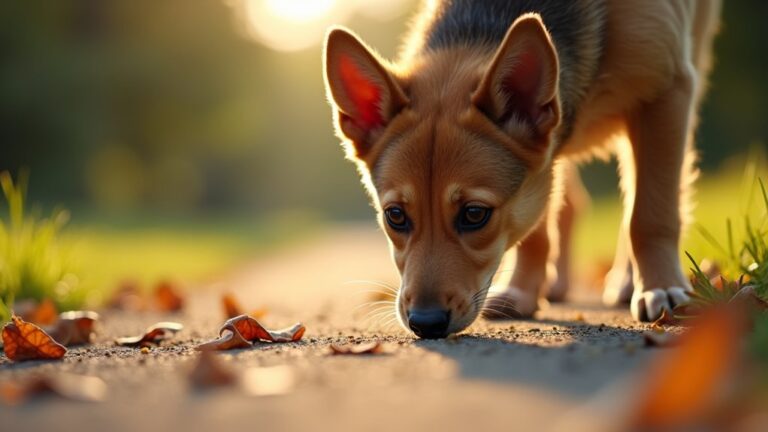
You’re seeing a behavior with evolutionary origins, where some dogs could act on old scavenging habits or a drive for sensory exploration.
That can sound gross to you, but for your dog, the world runs through nose, mouth, and memory.
Sometimes the habit grows when your dog feels bored, stressed, or anxious, because simple actions can calm big feelings.
Puppies might also copy what they watch, and dogs learn fast from your reactions.
If you gasp, chase, or shout, you may make it more interesting.
Common Causes of Coprophagia
Sometimes your dog eats poop because the habit starts with boredom, stress, or simple copycat behavior, and that can feel frustrating.
In other cases, your dog might be chasing missing nutrients because of underfeeding, poor digestion, or a low-quality diet. Whenever you know which trigger fits your dog, you can respond with more confidence and less worry.
Nutritional Deficiencies
Whenever your dog keeps eating poop, a concealed nutritional problem could be part of the reason. You’re not alone, and this can feel gross and confusing at the same time. A vitamin imbalance or amino deficiency can leave your dog still searching after meals. Poor digestibility or too few calories might also push the body to look elsewhere for what it needs.
| Clue | What it can mean |
|---|---|
| Thin body | Not enough usable food |
| Dull coat | Missing key nutrients |
If your dog’s diet is weak, switch to a balanced food with your vet’s help. Small changes matter, and your dog deserves steady support. Once you fill those gaps, you might see fewer urges and more peace at home.
Behavioral Triggers
Behavior can play a bigger role than many dog owners expect, and poop eating often starts with a mix of stress, boredom, and plain old habit. You’re not alone if this feels gross and confusing. Dogs often use coprophagia as stress displacement when they feel unsure or swamped.
- Bored dogs might chase fresh stool.
- Anxious dogs could repeat the act.
- Puppies might copy cleanup behavior.
- Attention can strengthen the habit.
- Novel stimulation can redirect energy.
Should you react big, your dog could assume this is a game. Instead, stay calm, clean up fast, and add daily walks, puzzle toys, and short training games. These steps help your dog feel busy, safe, and understood.
Health Problems Behind Poop Eating
Should your dog suddenly start eating poop, a health problem could be part of the story, and it’s worth taking seriously. You might notice it with sudden hunger, weight loss, loose stools, or extra thirst. That’s when Endocrine disorders like diabetes or thyroid trouble can matter, because they can change appetite fast.
Digestive trouble can play a part too, especially in case your dog has parasites, poor nutrient absorption, or pancreatic issues. In some cases, Neurological conditions or liver disease can also affect normal behavior and push your dog toward odd eating habits.
Were this to start out of nowhere, don’t brush it off. You and your vet can look for the cause together, which helps your dog feel safer, steadier, and more like themselves.
How to Stop Dog Poop Eating
Once you know why your dog is eating poop, you can start fixing the habit with a clear plan and a lot of patience. You’re not failing, and your dog isn’t being “gross” on purpose.
Start by removing the reward fast. Pick up waste right away, and use crate training whenever you can’t watch closely. Then make the yard less tempting and keep walks supervised.
- Feed a balanced diet on time
- Add play and daily exercise
- Reward “leave it” with treats
- Try taste aversion in case your vet suggests it
- Ask your vet about stress or illness
Whenever you stay calm, your dog feels safer, and that matters. Small changes add up, and your steady care can help your dog break the cycle.
Training Tips to Prevent Coprophagia
Training your dog to leave poop alone takes patience, but you can make real progress with the right habits. Start with a clear “leave it” cue and reward fast, calm choices with treats or praise.
Keep training close to where accidents happen, so your dog learns the rule in real life. Use crate games to build impulse control, then give short potty breaks and immediate rewards for returning to you.
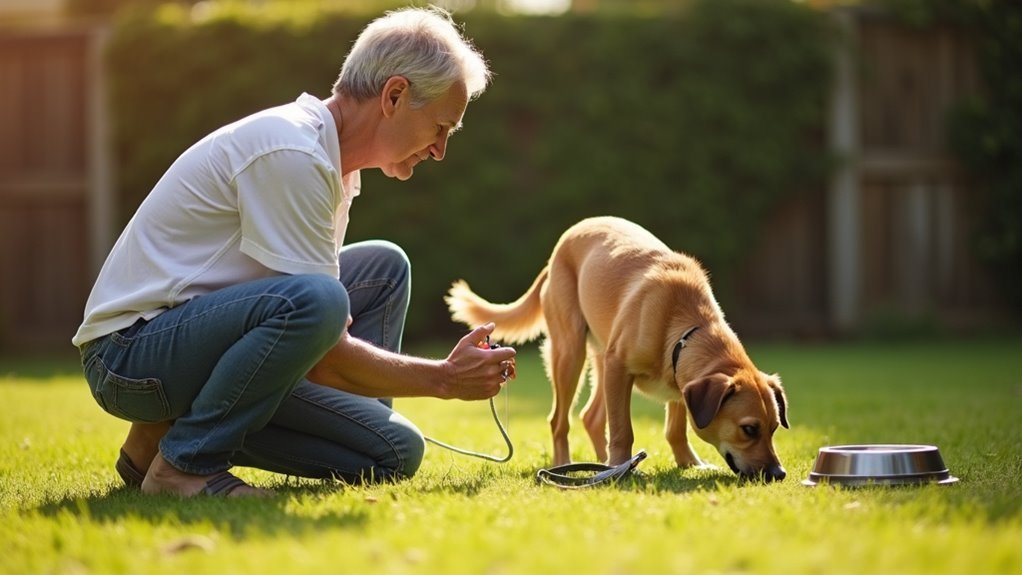
Should your dog stays near the yard edge, guide them with a leash and stay upbeat. You could also use identity markers, like a special collar or lead, to signal training time.
Most of all, pick up waste right away and celebrate small wins. Your dog wants to get it right, and you can help them feel successful.
When to Call Your Vet
Should your dog start eating poop out of nowhere, it’s a good idea to call your vet sooner rather than later. A sudden onset can point to worms, tummy trouble, diabetes, thyroid disease, or Cushing’s. You also need a medication review in case your dog recently started steroids, antibiotics, thyroid meds, or an appetite enhancer.
- weight loss
- vomiting or diarrhea
- big appetite changes
- extra thirst or pee
- tired, weak, or restless behavior
When you notice these signs, don’t wait and hope it passes. You’re part of a caring dog family, and you deserve answers that help you feel steady again. Your vet can check stool samples, look at diet, and guide you on the next step.
Frequently Asked Questions
Can Puppies Outgrow Poop Eating Naturally?
Yes, you often see puppies outgrow poop eating as they pass developmental stages, especially with training and stimulation. Still, nutritional deficiencies, boredom, or stress can keep it going, so you should watch closely and ask your vet.
Is Eating Cat Poop More Dangerous for Dogs?
Yes, cat feces can be more dangerous because you are exposing your dog to parasites, bacteria, and some zoonotic risk. You will want to stop access fast, clean litter boxes daily, and ask your vet should symptoms appear.
Can Poop Eating Spread Parasites to People?
Yes, your dog’s poop eating can spread parasites to people through parasite transmission, especially if you touch contaminated fur, bowls, or hands. You reduce human risk by washing up, cleaning quickly, and keeping your dog dewormed.
Does Punishment Make Poop Eating Worse?
Yes, punishment can make it worse. You might trigger a stress response, and your owner reactions can accidentally reinforce the habit. Stay calm, reward “leave it”, and pick up waste quickly for better results.
Will a Different Diet Stop My Dog’s Coprophagia?
A diet change may help provided you are coping with a nutrient deficiency or poor digestibility, but it will not always stop coprophagia. You will get better results once you pair feeding improvements with training, cleanup, and your veterinarian’s advice.