

The best dog food for anal gland relief is one that supports firm stools and smooth digestion. Lower-fat recipes often help, especially for dogs that struggle with recurring gland issues.
Vets often suggest options like Royal Canin Gastrointestinal Low Fat, plus supplements such as Glandex or MarvelGland. The right choice depends on your dog’s digestion, stool quality, and overall diet.
| Vetnique Glandex Dog Probiotic Chews for Gut Health |  | Best Probiotic Support | Product Type: Probiotic chew/powder | Digestive Support: Gut health support | Anal Gland Support: Scooting support | VIEW LATEST PRICE | Read Our Analysis |
| Native Pet WonderGland Dog Anal Gland Supplement |  | Best Fiber Formula | Product Type: Fiber supplement topper | Digestive Support: Digestive support | Anal Gland Support: Gland expression support | VIEW LATEST PRICE | Read Our Analysis |
| Pet Naturals Scoot Bars Fiber Supplement for Dogs |  | Best Chew Option | Product Type: Fiber chew bar | Digestive Support: Digestive health | Anal Gland Support: Scooting relief | VIEW LATEST PRICE | Read Our Analysis |
| WEALLIN Anal Gland Relief Spray for Dogs & Cats |  | Best Topical Relief | Product Type: Relief spray | Digestive Support: Irritation support | Anal Gland Support: Odor/discomfort relief | VIEW LATEST PRICE | Read Our Analysis |
| Royal Canin Veterinary Gastrointestinal Low Fat Dog Food | 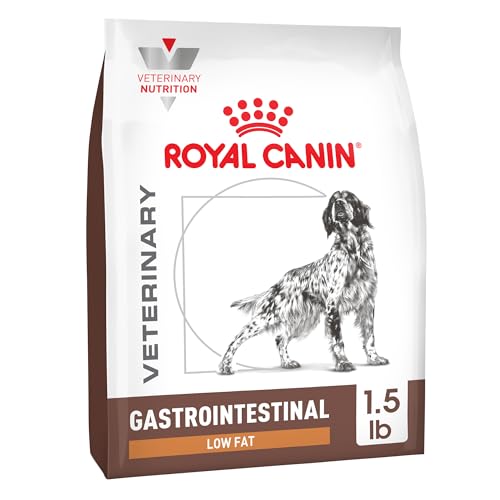 | Best Veterinary Diet | Product Type: Dry dog food | Digestive Support: Gastrointestinal support | Anal Gland Support: Indirect support | VIEW LATEST PRICE | Read Our Analysis |
More Details on Our Top Picks
Vetnique Glandex Dog Probiotic Chews for Gut Health
If your dog deals with occasional diarrhea, loose stools, gas, bloating, or a sensitive stomach, Vetnique Glandex Dog Probiotic Chews can be a smart choice because they support gut health and stool quality in one daily soft chew or food topper. You give your dog five clinically studied probiotic strains, dual prebiotics, bromelain, and natural fiber to promote a balanced microbiome, better digestion, and firmer stools. This vet-formulated option also supports immune health after antibiotics, travel, boarding, or food changes. Choose bacon chews or powder for dogs 12 weeks and older. Made in the USA, no refrigeration needed.
- Product Type:Probiotic chew/powder
- Digestive Support:Gut health support
- Anal Gland Support:Scooting support
- Fiber Content:Natural fiber
- Probiotics:5 probiotic strains
- Made In:USA
- Additional Feature:Bacon-flavored soft chews
- Additional Feature:Shelf-stable no refrigeration
- Additional Feature:12 weeks and older
Native Pet WonderGland Dog Anal Gland Supplement
Native Pet AdmireGland Dog Anal Gland Supplement is a strong choice for dogs that deal with chronic scooting, soft stools, or impacted glands, since its fiber-first formula is designed to help bulk and firm stools while supporting natural anal gland expression. You can sprinkle this vet-developed topper over kibble or any meal, and its triple fiber blend of miscanthus grass, pumpkin, and carob helps promote bulky stools. It also includes probiotics for digestive support. Made in the USA with full ingredient transparency, it fits dogs of all ages, breeds, and sizes. Use 1 scoop per 20 lbs daily.
- Product Type:Fiber supplement topper
- Digestive Support:Digestive support
- Anal Gland Support:Gland expression support
- Fiber Content:Triple-fiber blend
- Probiotics:Includes probiotics
- Made In:USA
- Additional Feature:Triple-powered fiber blend
- Additional Feature:Miscanthus grass topper
- Additional Feature:No artificial binders
Pet Naturals Scoot Bars Fiber Supplement for Dogs
Pet Naturals Scoot Bars are a smart choice for dogs that need extra fiber support for firmer stools and healthier anal gland function, especially whether your pet tends to scoot or has sensitive digestion. You get a veterinarian-formulated, duck-flavored soft chew with pumpkin, digestion-resistant maltodextrin, and larch tree extract to support stool volume, regularity, and gut balance. Give one bar per 30 pounds daily. Because they’re free of corn, wheat, soy, and artificial additives, you can use them easily in your dog’s routine. The 30-count pack suits all breeds and sizes well.
- Product Type:Fiber chew bar
- Digestive Support:Digestive health
- Anal Gland Support:Scooting relief
- Fiber Content:Three fiber sources
- Probiotics:Gut bacteria support
- Made In:USA
- Additional Feature:Duck-flavored soft bars
- Additional Feature:2800 mg pumpkin blend
- Additional Feature:60-day satisfaction guarantee
WEALLIN Anal Gland Relief Spray for Dogs & Cats
WEALLIN Anal Gland Relief Spray for Dogs & Cats is a smart choice for pets that need gentle, no-touch support for anal gland discomfort, especially whenever scooting, itching, swelling, or odor are part of the problem. You get a hypoallergenic, non-irritating formula with 0.02% HOCl and deionized water, with no added ingredients. The fine mist nozzle makes application easy, and you can use it 3–4 times daily for cleaning and soothing. It’s safe to lick, supports immune defense, and helps reduce irritation for dogs, cats, and other small animals.
- Product Type:Relief spray
- Digestive Support:Irritation support
- Anal Gland Support:Odor/discomfort relief
- Fiber Content:No fiber
- Probiotics:None listed
- Made In:USA
- Additional Feature:0.02% HOCl formula
- Additional Feature:No-touch spray
- Additional Feature:Safe to lick
Royal Canin Veterinary Gastrointestinal Low Fat Dog Food
Royal Canin Veterinary Gastrointestinal Low Fat Dog Food is a strong choice should your dog needs a vet-recommended, low-fat diet to support digestion and firmer stools, which can help ease anal gland issues. You get a chicken-flavored, adult dry kibble made for dogs with fat digestion or tolerance challenges. It includes prebiotics, dietary fibers, omega-3s like EPA and DHA, and antioxidants to support gut health and immunity. The kibble’s taste can tempt picky eaters, and you can mix it with Royal Canin’s wet version or treats. Always use it under veterinary guidance for long-term feeding.
- Product Type:Dry dog food
- Digestive Support:Gastrointestinal support
- Anal Gland Support:Indirect support
- Fiber Content:Dietary fibers
- Probiotics:Prebiotics only
- Made In:USA
- Additional Feature:Low fat formula
- Additional Feature:Chicken-flavored kibble
- Additional Feature:Veterinary-exclusive diet
Factors to Consider When Choosing Dog Food for Anal Gland Issues
When you choose dog food for anal gland issues, fiber content matters because it can help support firmer stools. You should also look for high-quality digestive ingredients, plus probiotics and prebiotics, to support healthy digestion. If your dog needs it, a low-fat formula can also make a big difference.
Fiber Content Matters
Fiber matters because it helps create larger, firmer stools that can naturally press on your dog’s anal glands during bowel movements. When you choose food, look for a balance of soluble and insoluble fiber to support steady digestion and better stool consistency. If your dog’s stools run too soft, the glands may not empty as well, so added bulk can help. Ingredients like pumpkin, sweet potato, and other plant fibers can increase volume while staying gentle on the stomach. Some recipes also include prebiotics, which feed beneficial gut bacteria and may promote regular bowel habits. Aim for enough fiber to support normal elimination without triggering loose stools or tummy upset.
Firm Stool Support
Firm, bulky stools can make a real difference for dogs with anal gland issues because they help create the pressure needed for natural expression during bowel movements. You want a food that helps your dog pass well-formed stools consistently, not soft, shapeless ones that might worsen scooting. Added fiber can help by increasing fecal volume and supporting better stool texture. Both soluble and insoluble fibers can improve regularity, so you can look for formulas that include a balanced blend. Should your dog’s gut tend to get upset, a digestive formula that supports healthy bacteria can also help stools stay firmer. For some dogs, a low-fat, easily digestible diet can reduce loose stools and keep bathroom trips more productive.
Digestive Ingredient Quality
Just as significant as fiber amount is fiber quality, along with the rest of the ingredient list. You’ll want foods made with high-quality, easily digestible proteins and carbs so your dog can break them down efficiently and form firmer stools. Choose formulas that use appropriate fiber sources, because quality matters as much as quantity while stool bulk and regularity affect anal gland health. Look for digestible support ingredients like prebiotics that help nourish beneficial gut bacteria and might improve stool consistency. Some dogs also do better with added digestive enzymes, which can help them absorb nutrients more completely. Avoid low-quality fillers and ingredients your dog doesn’t tolerate well, since they can disrupt digestion and make stool less consistent, raising the risk of anal gland issues.
Probiotics And Prebiotics
When you’re choosing dog food for anal gland issues, probiotics and prebiotics can be a smart addition because they support a healthier gut environment and more consistent stools. Probiotics help balance your dog’s microbiome, which could improve digestion and stool quality. Prebiotics feed those beneficial bacteria, helping them thrive and supporting firmer, more regular stools. A formula that includes both is often more complete than probiotics alone because it supports bacterial replenishment and growth at the same time. Some products also use multiple studied strains, like Lactobacillus, Enterococcus, and Bifidobacterium, for broader gut support. For anal gland concerns, this matters because better stool formation can help your dog naturally express the glands more effectively.
Low-Fat Formula Needs
Should your dog’s anal gland issues seem tied to poor fat digestion or fat tolerance, a low-fat formula could help support better stool quality. You want a diet that’s easy to digest and focused on forming firm, well-shaped stools, because those stools can help pressure the anal glands during bowel movements. Look for recipes built for digestive comfort, not ones that simply pack in extra calories or rich fats. Adding prebiotics and dietary fibers can also support gut bacteria and improve stool formation, which works well with lower fat intake. Should your dog need this type of feeding long term, talk with your veterinarian to make sure the diet stays complete, balanced, and appropriate for ongoing digestive support.
Food Sensitivity Triggers
Even with a low-fat formula, your dog could still have anal gland trouble whenever a food sensitivity is upsetting digestion. You could notice softer stools, less bulk, and repeated scooting because the glands can’t empty as easily. Watch for proteins, grains, or additives that line up with loose stool, gas, bloating, or belly discomfort. Whenever symptoms started after a diet change, the new food could be the trigger. Choose a diet with clear ingredient transparency so you can track what your dog eats and spot patterns faster. You’ll usually want firmer, more regular stools, since stool consistency helps support normal anal gland function. Keep observing your dog’s stool quality over time, and narrow down likely triggers before you settle on a long-term food.
Frequently Asked Questions
How Often Should My Dog’s Anal Glands Be Checked?
Most dogs only need anal gland checks during yearly exams, but if yours scoots, licks, or smells fishy, you should see your vet sooner. You can ask for monthly checks if problems keep returning.
Can Weight Loss Improve Anal Gland Problems?
Yes, weight loss can improve anal gland problems because you’ll reduce pressure around the area and can help stools become firmer. Should your dog’s overweight, ask your vet about a safe plan.
Are Anal Gland Issues More Common in Small Breeds?
Yes, you’ll often see more anal gland issues in small breeds, like a tiny engine running hot. Their smaller anatomy and softer stools can make expression harder, so you should watch symptoms closely.
When Should I Call a Veterinarian About Scooting?
Call your veterinarian when scooting lasts more than a day, happens repeatedly, or comes with swelling, pain, bleeding, bad odor, diarrhea, or trouble pooping. You should seek help sooner for sudden or severe symptoms.
Can Allergies Trigger Recurring Anal Gland Impaction?
Yes—your dog’s allergies can trigger recurring anal gland impaction through causing inflammation, itching, and softer stools. You should ask your veterinarian about managing allergies, diet, and gland issues together for lasting relief.