


The best dog food for all life stages in 2026 is a formula that fits puppies, adults, and seniors in one bag.
It should match your dog’s size, energy, and daily routine without extra guesswork.
Brands like Canidae All Life Stages, NutriSource, and Diamond Performance offer solid options.
The right pick saves money and keeps feeding simple across every age.
| Nature’s Domain Grain-Free Salmon & Sweet Potato Dog Food |  | Best Grain-Free | Life Stage: All life stages | Food Form: Dry kibble | Target Species: Dog | VIEW LATEST PRICE | Read Our Analysis |
| VICTOR Super Premium High Energy Dog Food |  | Best High-Energy | Life Stage: All life stages | Food Form: Dry kibble | Target Species: Dog | VIEW LATEST PRICE | Read Our Analysis |
| Canidae All Life Stages Wet Dog Food Chicken & Rice | 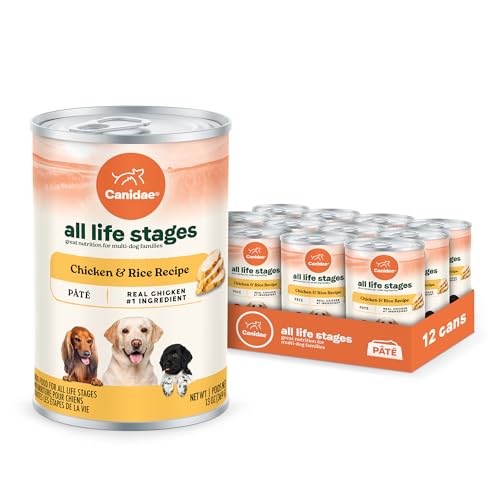 | Best Wet Food | Life Stage: All ages | Food Form: Wet food | Target Species: Dog | VIEW LATEST PRICE | Read Our Analysis |
| NutriSource Adult Dry Dog Food Lamb Meal and Rice 26LB |  | Best Digestibility | Life Stage: All life stages | Food Form: Dry kibble | Target Species: Dog | VIEW LATEST PRICE | Read Our Analysis |
| Diamond Performance All Life Stages Dry Dog Food |  | Best for Athletes | Life Stage: All life stages | Food Form: Dry kibble | Target Species: Dog | VIEW LATEST PRICE | Read Our Analysis |
More Details on Our Top Picks
Nature’s Domain Grain-Free Salmon & Sweet Potato Dog Food
Should you want a grain-free option that can keep up with dogs at every age and size, Nature’s Domain Grain-Free Salmon & Sweet Potato Dog Food is a strong pick. You get a Kirkland Signature formula made with wild-caught salmon, salmon meal, sweet potato, and omega-rich ingredients that support skin, brain, and immune health. It offers 24% minimum protein and 14% minimum fat, so your dog gets solid fuel for active days. The recipe also includes probiotics and chicory root to support digestion. It comes in a 35-pound bag for all breed sizes.
- Life Stage:All life stages
- Food Form:Dry kibble
- Target Species:Dog
- Breed Size:All breed sizes
- Package Size:35 lb bag
- Primary Protein:Salmon
- Additional Feature:Grain-free formula
- Additional Feature:Omega-rich nutrition
- Additional Feature:Probiotic digestive support
VICTOR Super Premium High Energy Dog Food
VICTOR Super Premium High Energy Dog Food is a strong pick for active dogs, sporting dogs, and growing pups that need a calorie-dense, all-life-stages formula. You get beef-and-chicken meal protein, 24% protein, and 20% fat in dry kibble that delivers 412 kcal per cup. It’s gluten free, uses no artificial flavors, and supports digestion, skin, coat, immunity, stamina, and healthy weight. You can feed it from puppyhood through adulthood. Made in Texas with the VPRO blend, it packs 79% meat-based protein for serious performance.
- Life Stage:All life stages
- Food Form:Dry kibble
- Target Species:Dog
- Breed Size:All breed sizes
- Package Size:5 lb bag
- Primary Protein:Beef/chicken meal
- Additional Feature:3871 kcal/kg
- Additional Feature:Proprietary VPRO blend
- Additional Feature:Made in USA
Canidae All Life Stages Wet Dog Food Chicken & Rice
CANIDAE All Life Stages Wet Dog Food Chicken & Rice is a smart pick for multi-dog households because it’s complete and balanced for dogs of all ages, sizes, and breeds. You can feed it to puppies, adults, and seniors, and it works well for all sizes too. This 13-ounce wet recipe uses chicken with wholesome grains, simmered in broth for rich flavor. It skips corn, wheat, and soy while adding antioxidants, probiotics, vitamins, and minerals. You’ll also support digestion, immunity, joints, skin, and coat with every can in the 12-pack case.
- Life Stage:All ages
- Food Form:Wet food
- Target Species:Dog
- Breed Size:All breeds
- Package Size:12 cans
- Primary Protein:Chicken
- Additional Feature:Wet canned formula
- Additional Feature:Made without corn
- Additional Feature:Probiotics and antioxidants
NutriSource Adult Dry Dog Food Lamb Meal and Rice 26LB
NutriSource Adult Dry Dog Food, Lamb Meal and Rice, 26LB is a smart pick for dogs at any life stage, especially whenever you want a grain-inclusive, easy-to-digest kibble that supports daily nutrition. You get real lamb as the primary ingredient, plus rice, menhaden fishmeal, and no corn, soy, or wheat. It’s AAFCO-approved for all life stages and suits all breed sizes. Prebiotics, probiotics, omega fats, and added taurine, L-carnitine, and choline help support digestion, heart, brain, skin, coat, hips, and joints. The 26-pound bag makes daily feeding practical.
- Life Stage:All life stages
- Food Form:Dry kibble
- Target Species:Dog
- Breed Size:All breed sizes
- Package Size:26 lb bag
- Primary Protein:Lamb meal
- Additional Feature:Prebiotics and probiotics
- Additional Feature:Hip and joint support
- Additional Feature:Rotational feeding approach
Diamond Performance All Life Stages Dry Dog Food
Diamond Performance All Life Stages Dry Dog Food is a strong pick in case you’ve got a highly active dog that needs more than basic maintenance nutrition. You get a 30/20 high-protein, high-fat kibble with real chicken first and 83% of protein from animal sources. It supports muscle, stamina, recovery, joints, digestion, immunity, and brain and vision development with DHA, glucosamine, probiotics, and antioxidants. You can feed it to puppies, adults, and pregnant or nursing dogs. It’s made in the USA by a family-owned brand and comes in a 40-pound bag.
- Life Stage:All life stages
- Food Form:Dry kibble
- Target Species:Dog
- Breed Size:All breed sizes
- Package Size:40 lb bag
- Primary Protein:Chicken
- Additional Feature:30/20 performance formula
- Additional Feature:DHA and glucosamine
- Additional Feature:Made with veterinarians
Factors to Consider When Choosing Dog Food for All Life Stages
when you choose dog food for all life stages, you’ll want to check for nutritional balance and make sure it fits your dog’s age and activity level. You should also look at protein quality, ingredient sensitivities, and whether the formula supports healthy digestion. These factors help you pick a food that can support your dog through every stage of life.
Nutritional Balance
A balanced all-life-stages dog food should meet nutritional standards for puppies, adults, and pregnant or nursing dogs, so you can feed the same formula across different life stages with confidence. You should confirm the label states “complete and balanced” for all life stages, then review the guaranteed analysis for protein, fat, fiber, and moisture. Strong protein from quality animal sources helps support growth, maintenance, muscle repair, and everyday activity. You’ll also want essential fats, especially omega-3 and omega-6 fatty acids, because they support skin, coat, brain, and immune health. Finally, pick a food fortified with vitamins, minerals, and amino acids so it stays nutritionally complete as your dog’s needs change over time.
Life Stage Suitability
When you want one diet that can work from puppyhood through adulthood, choose a formula labeled “all life stages” and make sure it’s suitable for growth, since that means it’s built to meet the higher energy and nutrient needs of puppies as well as the maintenance needs of adult dogs. Check the label for the intended age range and feeding directions, because “all life stages” isn’t the same as “adult maintenance.” If your dog is pregnant or nursing, pick a food made for that phase, since reproductive stages often need extra calories and nutrients. In a multi-dog home, one complete recipe can simplify mealtimes for dogs of different ages and sizes. Choose the formula that matches your dog’s current stage, not just the broadest claim.
Protein Quality
Protein quality matters just as much as the protein percentage on the label, so look for all-life-stages foods that list clearly named animal proteins and provide enough crude protein for your dog’s needs, often around 24% to 30% on a dry-matter basis. You’ll usually get a better amino acid profile when meat-based ingredients supply most of that protein. Check the label for supportive nutrients like taurine, methionine, and L-carnitine, since they can signal a more complete formula. If you’re feeding a growing, active, or working dog, more animal-derived protein can better support muscle maintenance, recovery, and energy demands. Remember, protein quality also depends on digestibility and how well the food supports healthy skin, coat, immune function, and body condition overall.
Ingredient Sensitivity
Even a high-quality protein profile won’t help much if the formula includes ingredients your dog can’t tolerate. You need to scan the ingredient list for common triggers like chicken, beef, lamb, fish, grains, soy, wheat, corn, peas, or potato-based fillers. Don’t assume grain-free means safer; those recipes can still lean on animal proteins or legumes that bother sensitive dogs. Limited-ingredient formulas often make reactions easier to trace because they keep protein and carb sources simple. Also check functional extras like probiotics, chicory root, flaxseed, and herbal extracts, since even small amounts can matter. When you choose an all-life-stages food, match it to your dog’s tolerances, not just the marketing. High-protein, high-fat, or omega-heavy recipes won’t suit every sensitive dog.
Digestive Support
Digestive support matters because an all-life-stages food has to work for puppies, adults, and active dogs with different nutritional needs. You should look for prebiotics, probiotics, chicory root, or fermentation products, since they can help maintain healthy gut function. Choose recipes with easily digestible proteins and balanced fat levels so the food stays gentle on your dog’s stomach while still providing complete nutrition. Fiber also plays a role; a moderate crude fiber level, around 3% or less, can support regular stool quality without adding excess bulk. Formulas built for digestive health often include vitamins, minerals, and trace nutrients that help your dog absorb and use nutrients efficiently. That balance matters most whenever one recipe needs to suit every life stage.
Activity Level Needs
Your dog’s activity level should guide how rich the food is in calories, protein, and fat. When you’ve got an athletic, working, or highly active dog, choose a calorie-dense formula that supports energy, stamina, and recovery. Many active dogs do well with about 24% to 30% protein and 14% to 20% fat, though the exact balance depends on workload. For dogs with sustained exercise, look for diets with protein mainly from animal sources to help preserve muscle mass. Higher caloric density can also help prevent unwanted weight loss during heavy training or sports. When your dog is less active, pick a lower-calorie formula so you can avoid excess weight gain while still meeting all life stage nutrition needs.
Packaging Size
Package size can make a big difference in how fresh your dog’s food stays and how easy it is to handle. If you feed one dog, a smaller bag may keep food fresher after opening and fit your storage space better. If you have multiple dogs or a big eater, a larger bag or case can save trips and reduce packaging waste. Match the size to your dog’s daily intake so you don’t let food sit too long. Dry food usually comes in 5- to 40-pound bags, while wet food is sold by can size and case count, such as 13-ounce cans in 12-can cases. Compare both unit count and total net weight so you can judge value, convenience, and freshness more accurately.
Frequently Asked Questions
How Often Should I Switch Between Puppy and Adult Formulas?
You shouldn’t switch often; you’ll usually move from puppy to adult once, whenever your vet says growth is done. Do it gradually over 7–10 days to avoid stomach upset and keep feeding consistent.
Can All-Life-Stage Food Help Senior Dogs Maintain Weight?
Yes—if you choose wisely, it can help. Seniors need about 20% fewer calories than adults, so you should pick a nutrient-dense formula and monitor portions to keep weight steady without overfeeding.
Is Grain-Free Food Necessary for Sensitive Dogs?
No, you don’t need grain-free food for sensitive dogs. You can try limited-ingredient, highly digestible diets instead, and you’ll often get better results. Check with your vet to target the real trigger.
How Do I Transition My Dog to a New Food Safely?
You’ll switch foods like turning a gentle tide: mix 25% new food for 2 days, then 50%, 75%, and 100% over a week. Watch stool, appetite, and energy; slow down in case upset.
What Feeding Schedule Works Best for Multi-Age Households?
You’ll do best with separate meal times according to age: puppies need three to four feedings, adults usually two, and seniors often two smaller meals. Keep portions individualized, track weight, and adjust activity.