


The best dog food for urinary tract health in 2026 depends on your dog’s needs.
Prescription diets often help with crystals, stones, and bladder support.
Some targeted supplements can add extra support for daily urinary care.
Your dog’s age, weight, and condition help point to the right choice.
| Deley Naturals Dog UTI Chews Urinary Health Supplement |  | Best Supplement | Format: Soft chews | Urinary Support: Urinary wellness support | Veterinary Formulation: Supplement | VIEW LATEST PRICE | Read Our Analysis |
| Royal Canin Veterinary Canine Urinary SO Dog Food | 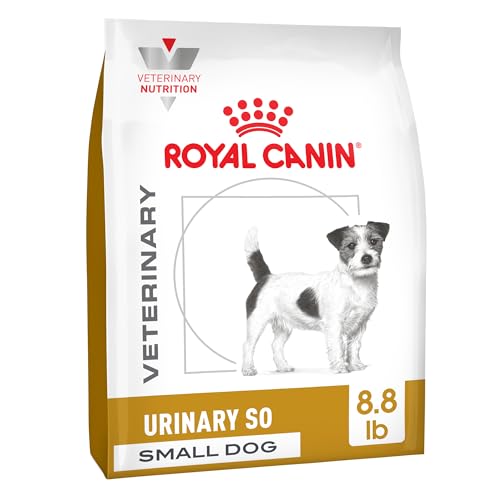 | Best for Small Dogs | Format: Dry food | Urinary Support: Struvite stone support | Veterinary Formulation: Veterinary diet | VIEW LATEST PRICE | Read Our Analysis |
| Blue Buffalo Veterinary Diet KS Kidney Support Dog Food |  | Best Kidney Support | Format: Dry food | Urinary Support: Kidney-related urinary support | Veterinary Formulation: Veterinary diet | VIEW LATEST PRICE | Read Our Analysis |
| Hill’s Prescription Diet c/d Urinary Care Dog Food |  | Best Wet Food | Format: Wet food | Urinary Support: Urinary stone support | Veterinary Formulation: Prescription diet | VIEW LATEST PRICE | Read Our Analysis |
| Royal Canin Urinary SO Moderate Calorie Dog Food |  | Best for Weight Control | Format: Dry food | Urinary Support: Struvite stone support | Veterinary Formulation: Veterinary diet | VIEW LATEST PRICE | Read Our Analysis |
More Details on Our Top Picks
Deley Naturals Dog UTI Chews Urinary Health Supplement
Whenever you’re looking for a urinary support supplement for dogs prone to bladder discomfort, Deley Naturals Dog UTI Chews stand out as a practical choice. You give your dog daily support for urinary wellness, normal urinary function, bladder comfort, urinary flow, and kidney function. These soft chews use cranberry, D-mannose, nettle root, marshmallow root, organic licorice, and organic echinacea to support immune function, seasonal sensitivity care, and digestive balance. They’re human-grade, chicken-flavored, and mess-free. With 120 chews, they fit small, medium, and large breeds, from Chihuahuas to Golden Retrievers.
- Format:Soft chews
- Urinary Support:Urinary wellness support
- Veterinary Formulation:Supplement
- Life Stage:All life stages
- Main Protein/Flavor:Chicken flavor
- Package Size:120 chews
- Additional Feature:D-Mannose formula
- Additional Feature:Organic herbal blend
- Additional Feature:Soft chew format
Royal Canin Veterinary Canine Urinary SO Dog Food
Royal Canin Veterinary Canine Urinary SO Dog Food is a strong choice should you have a small dog under 22 pounds that needs urinary support, since this veterinary-exclusive dry food is designed to help dissolve pure struvite stones, help prevent calcium oxalate stones, and lower the risk of crystal formation. It uses RSS methodology and an S/O Index to create an environment that’s unfavorable to crystals. The adapted kibble fits small mouths, encourages chewing, and can help reduce tartar buildup. You should follow the package for feeding guidance. The 8.8-pound bag gives you about 39 cups.
- Format:Dry food
- Urinary Support:Struvite stone support
- Veterinary Formulation:Veterinary diet
- Life Stage:Adult dogs
- Main Protein/Flavor:Not specified
- Package Size:8.8 lb bag
- Additional Feature:Small-dog kibble
- Additional Feature:Struvite stone dissolution
- Additional Feature:Tartar-reducing texture
Blue Buffalo Veterinary Diet KS Kidney Support Dog Food
Blue Buffalo Veterinary Diet KS Kidney Support Dog Food is a strong pick in the event your vet wants you to support your dog’s kidney function with a therapeutic diet. You get a chicken-based dry formula for adult dogs of all sizes, and it uses controlled protein, phosphorus, and sodium to help reduce kidney workload. It starts with real chicken and includes natural ingredients, vitamins, and minerals, without corn, wheat, soy, chicken-made meals, or artificial preservatives. Because it’s a veterinary diet, you’ll need authorization from your veterinarian. Many owners rate it well, and it comes in a 6-lb bag.
- Format:Dry food
- Urinary Support:Kidney-related urinary support
- Veterinary Formulation:Veterinary diet
- Life Stage:Adult dogs
- Main Protein/Flavor:Chicken
- Package Size:6-lb bag
- Additional Feature:Controlled phosphorus
- Additional Feature:Controlled sodium
- Additional Feature:No artificial preservatives
Hill’s Prescription Diet c/d Urinary Care Dog Food
Hill’s Prescription Diet c/d Multicare Urinary Care Wet Dog Food is a strong choice should your adult dog needs a veterinary diet that supports urinary tract health. You’ll get a chicken and vegetable stew in 12.5-ounce cans, sold as a 12-pack. This wet food helps dissolve struvite stones and lowers the risk of struvite and calcium oxalate stones through controlling magnesium, calcium, and phosphorus. It also includes antioxidants, potassium citrate, omega-3s, and low sodium. Feed it lifelong under your veterinarian’s guidance for all breed sizes.
- Format:Wet food
- Urinary Support:Urinary stone support
- Veterinary Formulation:Prescription diet
- Life Stage:Adult dogs
- Main Protein/Flavor:Chicken & vegetable stew
- Package Size:12-pack cans
- Additional Feature:Omega-3 fatty acids
- Additional Feature:Potassium citrate added
- Additional Feature:Wet stew recipe
Royal Canin Urinary SO Moderate Calorie Dog Food
Should your dog be prone to weight gain and have urinary health concerns, Royal Canin Veterinary Diet Canine Urinary SO Moderate Calorie Adult Dry Dog Food is a strong choice. You get a veterinary-exclusive dry formula that helps dissolve pure struvite stones and helps prevent calcium oxalate stones. Its S/O Index and RSS methodology support bladder health and lower crystal risk. With 11% fewer calories than Royal Canin Urinary SO Dry Dog Food, it helps you maintain ideal weight. The 7.7 lb bag provides about 40 cups, and you should follow packaging feeding guidelines.
- Format:Dry food
- Urinary Support:Struvite stone support
- Veterinary Formulation:Veterinary diet
- Life Stage:Adult dogs
- Main Protein/Flavor:Not specified
- Package Size:7.7 lb bag
- Additional Feature:Moderate calorie formula
- Additional Feature:Weight-gain support
- Additional Feature:Lower-calorie recipe
Factors to Consider When Choosing Dog Food for Urinary Tract Health
When you choose dog food for urinary tract health, focus on support for urinary stones, balanced minerals, and whether your dog needs a prescription diet or a supplement. You’ll also want to match the calorie level to your dog’s activity and weight goals. Don’t forget to pick a formula that fits your dog’s breed and size.
Urinary Stone Support
Urinary stone support diets can help dissolve existing struvite stones and lower the chance of new ones forming, while some formulas are also designed to reduce the risk of calcium oxalate stones through controlling the minerals that feed crystal buildup. You’ll often see controlled magnesium, calcium, and phosphorus levels because these can make the urinary environment less friendly to crystal growth. Many recipes also use RSS-style approaches to lower urine crystal saturation, which supports bladder comfort and helps prevent recurrence. Should your dog have a history of stones, this kind of food can be a practical long-term tool. It doesn’t replace veterinary care, but it can work alongside it to keep your dog’s urine chemistry more stable and reduce future stone risk.
Mineral Balance Matters
Alongside urinary stone support, mineral balance plays a big role in keeping your dog’s urinary tract healthier over time. You should watch magnesium, calcium, and phosphorus levels closely, because too much can raise the chances of crystal and stone formation. Foods made for urinary support usually keep these minerals controlled, helping create urine conditions that are less friendly to struvite and calcium oxalate crystals. That precision matters because it reduces the raw materials that stones need to form, which supports long-term bladder health. A diet with carefully managed minerals can also help your dog maintain normal urinary function by promoting healthier urine in general. Should your dog’s prone to urinary problems, choosing balanced minerals is one practical step that can lower the risk of recurring crystal-related issues.
Prescription Versus Supplement
Should your dog has confirmed urinary stones, recurrent crystals, or another diagnosed urinary issue, a prescription urinary diet is usually the more targeted choice. These therapeutic foods can help manage struvite stones, calcium oxalate risk, and crystal formation, and they often need veterinary guidance before you start them. They’re designed with controlled levels of magnesium, calcium, phosphorus, sodium, protein, or calories to address specific urinary or kidney-related needs more precisely than a supplement can. In contrast, urinary supplements are better for everyday support. They might include cranberry, D-mannose, marshmallow root, nettle root, licorice, or echinacea to support bladder comfort and urinary wellness, but they won’t dissolve stones or replace treatment. Should your dog needs medical management, choose the diet initially.
Calorie Needs Consideration
Calorie needs matter just as much as the urinary formula itself, because the right food should support both bladder health and a healthy body condition. Whenever your dog tends to gain weight, a moderate-calorie urinary diet can help you keep portions in check while still meeting urinary tract needs. While you compare foods, look at calories per serving, not just the ingredient list, so you can match the diet to your dog’s age, activity level, and ideal weight. Lower-calorie options can also make long-term feeding easier whenever your dog needs steady urinary support. Choosing the right calorie density helps you avoid overfeeding, maintain consistent portions, and support weight management without compromising nutritional consistency or urinary care.
Breed And Size Fit
Whenever you’re choosing a urinary tract diet, your dog’s breed and size should shape the fit just as much as the formula itself. You’ll want kibble or portions that match your dog’s mouth and body size, because smaller dogs often chew smaller pieces more easily. Should you have a toy or small breed, look for a urinary-health diet made for dogs under about 22 lb instead of a generic option. For large and giant breeds, choose a food sized for bigger mouths and larger daily servings. Should your dog also gains weight easily, pick a size-appropriate, moderate-calorie formula. Wet and dry urinary diets can also differ in bite size and portioning, so match the format to how your dog eats.
Frequently Asked Questions
Can Homemade Diets Help Prevent Dog Urinary Crystals?
Like a careful gardener, you can help prevent crystals with homemade diets, but you’ll need veterinary guidance. You’ll balance minerals, increase moisture, and monitor urine, because one misstep can turn helpful meals into crystal-friendly trouble.
How Much Water Should My Dog Drink Daily?
Your dog should drink about 1 ounce of water per pound of body weight daily, but you should adjust for heat, exercise, and diet. Whether they’re drinking much less, call your vet.
Are Urinary Health Diets Safe for Puppies?
Yes, you can use urinary health diets for puppies, but you shouldn’t unless your vet recommends one. You’ll need puppy-specific nutrition for growth, and some urinary formulas can’t support developing dogs properly.
Can Treats Worsen My Dog’s Urinary Issues?
Absolutely—treats can turn a small urinary issue into a full-blown disaster unless you’re not careful. You should limit salty, mineral-heavy treats, and keep fresh water available. Your vet can help you choose safer options.
How Often Should Urinary Tract Health Be Rechecked?
You should recheck your dog’s urinary tract health every 3–6 months, or sooner in case symptoms return. Your vet might suggest more frequent monitoring, especially after treatment changes, to catch problems at an initial stage and adjust care.