


The best dog food for hip dysplasia in 2026 is a formula that supports joints, keeps weight in check, and stays easy on the stomach. Look for protein from quality sources, plus omega-3s, glucosamine, and chondroitin. Lower-calorie recipes can help reduce pressure on aching hips. A few foods do this well, and one may suit your dog best.
| Under the Weather Dog Bland Diet Chicken Rice | 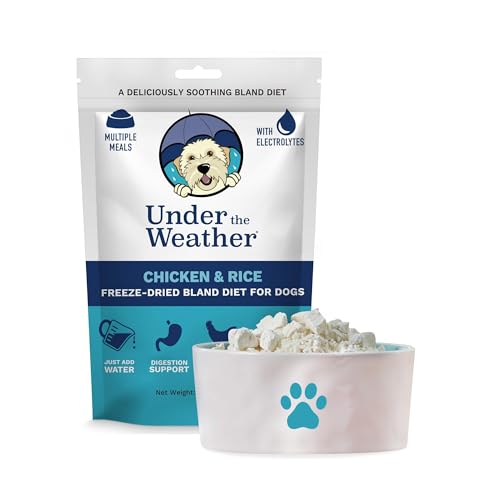 | Best Digestive Support | Product Type: Bland diet meal | Form: Freeze-dried pellets | Dog Use: Digestive upset | VIEW LATEST PRICE | Read Our Analysis |
| Petnc Level-3 Hip & Joint Supplement for Dogs |  | Best Joint Supplement | Product Type: Hip & joint supplement | Form: Chewables | Dog Use: Joint support | VIEW LATEST PRICE | Read Our Analysis |
| Vet Classics Cranberry Urinary Tract Supplement Soft Chews |  | Best Urinary Support | Product Type: Urinary tract supplement | Form: Soft chews | Dog Use: Bladder support | VIEW LATEST PRICE | Read Our Analysis |
| Stella & Chewy’s Chicken Bone Broth for Dogs |  | Best Bone Broth | Product Type: Bone broth | Form: Liquid broth | Dog Use: Joint support | VIEW LATEST PRICE | Read Our Analysis |
| Instinct RawBoost Freeze Dried Dog Food Topper |  | Best Topper | Product Type: Food topper | Form: Freeze-dried topper | Dog Use: Hip mobility | VIEW LATEST PRICE | Read Our Analysis |
More Details on Our Top Picks
Under the Weather Dog Bland Diet Chicken Rice
When your dog needs gentle digestive support alongside hip dysplasia care, Under the Weather Dog Bland Diet Chicken & Rice is a smart option because it’s a vet-formulated, freeze-dried bland meal that’s easy to digest and quick to prepare. You can use it for vomiting, diarrhea, travel, surgery recovery, medications, or routine changes. It features white rice and human-grade chicken, with no by-products, gluten, artificial flavors, or dyes. Just add water, and it rehydrates in minutes. You can also use it as a topper while you’re easing your dog back to regular food.
- Product Type:Bland diet meal
- Form:Freeze-dried pellets
- Dog Use:Digestive upset
- Main Protein:Chicken
- Grain-Free:Gluten free
- Made in USA:USA manufactured
- Additional Feature:Supports digestive upset
- Additional Feature:Freeze-dried, just-add-water
- Additional Feature:Electrolyte blend included
Petnc Level-3 Hip & Joint Supplement for Dogs
Petnc Level-3 Hip & Joint Supplement for Dogs is a strong pick for adult and senior dogs that need extra joint support, especially whenever hip stiffness, reduced mobility, or everyday discomfort starts to limit activity. You give these liver-flavored chewables with food, using 1/2 chew per 20 pounds daily. Each serving packs glucosamine, chondroitin, MSM, hyaluronic acid, vitamin C, and manganese to support flexibility, comfort, and bone health. It’s GMP-certified, NASC-sealed, and laboratory examined. Expect best results in 4–6 weeks, and talk to your vet should your dog’s condition worsens or doesn’t improve.
- Product Type:Hip & joint supplement
- Form:Chewables
- Dog Use:Joint support
- Main Protein:Liver flavor
- Grain-Free:Not stated
- Made in USA:Manufactured in Arizona
- Additional Feature:500 mg glucosamine
- Additional Feature:6 mg hyaluronic acid
- Additional Feature:NASC Quality Seal
Vet Classics Cranberry Urinary Tract Supplement Soft Chews
Vet Classics Cranberry Comfort Urinary Tract Pet Supplement is a smart pick whenever your dog needs extra bladder and urinary tract support, especially whenever you’re caring for a senior pet or one prone to incontinence. You get 65 soft chews with cranberry, echinacea, vitamin C, marshmallow root, and grape root to help support urinary tract health and bladder control. Vet Classics formulates this veterinarian-developed supplement for dogs and cats, and it’s yam free. If you want a simple daily chew from a trusted premium line, this option can fit well into your dog’s routine and support comfort.
- Product Type:Urinary tract supplement
- Form:Soft chews
- Dog Use:Bladder support
- Main Protein:Herbal formula
- Grain-Free:Not stated
- Made in USA:Manufacturer not specified
- Additional Feature:Cranberry urinary support
- Additional Feature:Bladder control support
- Additional Feature:Veterinarian formulated
Stella & Chewy’s Chicken Bone Broth for Dogs
Stella & Chewy’s Chicken Bone Broth for Dogs is a smart pick for dogs with hip dysplasia that need extra joint support and an easy way to boost mealtime nutrition. You get slowly simmered cage-free chicken bones, plus natural collagen and gelatin, to support joints, digestion, and immunity. Its turmeric and cinnamon help calm inflammation while adding flavor your dog might enjoy. The grain-free, gluten-free recipe suits sensitive stomachs, and the BPA-free resealable pouch makes serving simple. With 100% human-grade ingredients and no artificial additives, you can trust it for daily use.
- Product Type:Bone broth
- Form:Liquid broth
- Dog Use:Joint support
- Main Protein:Chicken bone broth
- Grain-Free:Grain-free
- Made in USA:Made in USA facilities
- Additional Feature:Natural collagen and gelatin
- Additional Feature:Turmeric anti-inflammatory blend
- Additional Feature:Resealable 16 fl oz pouch
Instinct RawBoost Freeze Dried Dog Food Topper
If you’re looking for a simple way to add hip and joint support to your dog’s bowl, Instinct RawBoost Freeze Dried Dog Food Topper is a smart pick. You get cage-free chicken, flaxseed, New Zealand green mussel, turmeric, and fenugreek, all chosen to support healthy mobility. This grain-free topper skips corn, wheat, soy, potato, artificial flavors, preservatives, and fillers. Freeze-dried raw ingredients help lock in nutrients and support digestion, skin, coat, energy, and vitality. Use it as a topper, mixer, treat, or picky-eater fix. It’s crafted in the USA in a 5.5 oz bag.
- Product Type:Food topper
- Form:Freeze-dried topper
- Dog Use:Hip mobility
- Main Protein:Chicken
- Grain-Free:Grain-free
- Made in USA:Crafted in USA
- Additional Feature:New Zealand green mussel
- Additional Feature:Freeze-dried raw ingredients
- Additional Feature:Supports skin and coat
Factors to Consider When Choosing Dog Food for Hip Dysplasia
If you choose dog food for hip dysplasia, look for joint-support ingredients like glucosamine and chondroitin, plus anti-inflammatory nutrients such as omega-3s. You’ll also want to keep your dog at a healthy weight and choose a formula that’s easy to digest if your dog has a sensitive stomach. High-quality protein matters too, since it helps maintain muscle support around sore joints.
Joint-Support Ingredients
Look for dog foods that include joint-support ingredients like glucosamine, chondroitin, MSM, and hyaluronic acid, since these nutrients are commonly used to help maintain cartilage and joint function. You can also benefit from formulas with green-lipped mussel, turmeric, and flaxseed, which could support hip comfort and smoother movement. Omega-rich, anti-inflammatory ingredients can help your dog handle everyday joint stress, especially if mobility already feels limited. Collagen and gelatin from broth-based recipes could add more support by supplying nutrients tied to connective tissue health. Check the label for clearly stated active amounts, not vague blends, so you can compare products more confidently. Whenever you know what each ingredient contributes, you can choose a food that gives your dog more meaningful joint support.
Weight Management
Even the best joint-support ingredients work better whenever your dog’s weight stays in a healthy range. Whenever you keep your dog lean, you reduce stress on the hips and can help them move more comfortably. Pick a food with controlled calories, and don’t overfeed, because extra pounds can increase joint strain and cut mobility. You’ll also want balanced protein and nutrients without too much fat, so your dog can maintain muscle while managing weight. Measure each meal instead of free-feeding, since consistent portions make it easier to prevent slow weight gain. Keep in mind to count treats and toppers, too. Even small extras can push daily calories too high and undo your progress.
Anti-Inflammatory Nutrients
Anti-inflammatory nutrients can make a real difference in how your dog feels day to day, especially as hip dysplasia causes stiffness or discomfort. You should look for dog food that includes omega-3 fatty acids, turmeric, or green-lipped mussel, since these can help calm inflammatory responses and support joint comfort. Ingredients that offer natural collagen support, like gelatin or bone broth components, could also help maintain connective tissue around the joints. Glucosamine, chondroitin, MSM, and hyaluronic acid can work together to support flexibility, mobility, and cushioning. Vitamin C and manganese matter too because they support cartilage and connective tissue metabolism. Choose formulas that combine several of these nutrients instead of relying on just one, because layered joint support usually works better for your dog.
Digestive Sensitivity
Digestive sensitivity can matter just as much as joint support while you’re choosing food for a dog with hip dysplasia, because an easy-to-digest formula can help limit stomach upset during daily meals. If your dog has a sensitive stomach, look for simple, gentle ingredients that won’t overload digestion or add extra stress when mobility already feels hard. You’ll often do better with foods that skip common irritants like artificial flavors, dyes, gluten, corn, wheat, and soy. Bland or digestive-supportive recipes can also help during vomiting, diarrhea, travel, surgery, medication use, or routine changes. When you switch foods, do it gradually and watch closely for stool changes, appetite shifts, or vomiting so you can tell what your dog tolerates best.
Protein Quality
Protein quality matters just as much as protein amount while you’re choosing food for a dog with hip dysplasia, because high-quality, highly digestible protein helps your dog absorb the amino acids needed to maintain lean muscle around the hip joints. You should look for clearly identified proteins, like chicken, turkey, or salmon, instead of vague “meat” blends, since defined ingredients are easier to judge. Choose minimally processed sources and avoid formulas that pad the label with fillers. A food can boast a high crude protein percentage and still fall short if the protein isn’t complete. Should your dog has sensitivities, a single, well-tolerated protein source can improve digestibility and reduce setbacks. Better protein supports muscle, and stronger muscle helps stabilize painful hips.
Easy-To-Eat Textures
When your dog has hip dysplasia, an easy-to-eat texture can make mealtime less frustrating and help keep nutrition consistent. You should look for soft, moist, or rehydratable food, since these options usually need less chewing than hard kibble. Adding water can also make each bite easier to swallow. Smaller, bite-sized pieces may help your dog eat with less strain because they reduce the need for careful positioning and repeated chewing. If your dog seems picky or uncomfortable, a palatable, tender texture can encourage steady eating. For dogs with sensitive digestion or a reduced appetite, smooth foods often feel gentler than dense, crunchy formulas. Choose a texture that supports comfort, so your dog can eat more easily every day.
Calorie Balance
Calorie balance matters because excess calories can lead to weight gain, and extra body weight puts more stress on already painful hip joints. You’ll want a diet that covers your dog’s energy needs without overfeeding, since a lean body condition often supports mobility better than swings in weight. Whenever the food is calorie-dense, measure portions carefully instead of guessing, because a little extra can add up fast. Count treats and any calorie-containing toppers in the daily total so they don’t push intake above target. Whenever your dog moves less because of discomfort, their calorie needs may drop, so you might need to trim portions. Watching body condition regularly helps you keep the plan on track and adjust before weight gain becomes a problem.
Supplement Compatibility
Supplement support can help with hip dysplasia, but only whenever it fits cleanly with the rest of your dog’s diet. Check any joint supplement against the food you feed so you don’t stack glucosamine, chondroitin, MSM, hyaluronic acid, vitamin C, or manganese twice. Whenever your dog already takes a mobility chew, avoid toppers that repeat the same actives, since daily products usually need 4–6 weeks to work. For sensitive stomachs, pick easy-to-mix options and watch for shellfish-derived ingredients or high-fat additions. Keep bladder products separate; cranberry and marshmallow root won’t support joints. Whenever you add broth, soft chews, or toppers, make sure they match the meal’s nutrient profile and skip artificial flavors, preservatives, gluten, and other extras.
Frequently Asked Questions
How Much Should I Feed a Dog With Hip Dysplasia?
You should feed your dog the amount needed to keep a healthy body weight, usually based on age, size, and activity. Ask your vet for a precise daily calorie target, and split meals evenly.
Can Puppies Develop Hip Dysplasia Later in Life?
Yes—your puppy can develop hip dysplasia later, because genetics love a surprise party. You can’t always spot it soon, but you should watch growth, weight, and movement, then ask your vet whether things seem off.
Are Grain-Free Diets Better for Hip Dysplasia?
No, you shouldn’t assume grain-free diets help hip dysplasia. You’ll get better results via choosing a balanced food with proper calories, protein, and joint-support nutrients, then asking your vet about your dog’s specific needs.
Should I Split Meals for Dogs With Joint Issues?
Yes—you should split meals; it can feel like giving your dog a tiny feast twice daily instead of one giant mountain of kibble. You’ll help steady energy, reduce bloating risk, and support easier, calmer digestion.
When Should I See a Vet for Worsening Hip Pain?
You should see a vet whenever your dog’s hip pain worsens, causes limping, trouble rising, skipping meals, whining, or sudden behavior changes. Don’t wait—early care can ease pain and prevent bigger problems.