


Could the right dog food ease a sensitive stomach faster than you expect? If your dog has vomiting, loose stools, or changes in appetite, you will want to know which formulas truly support digestion and which ones only claim to. From bland diet options to veterinary diets and limited ingredient recipes, the choices are not all the same, and the details matter.
| Royal Canin Small Digestive Care Dry Dog Food | 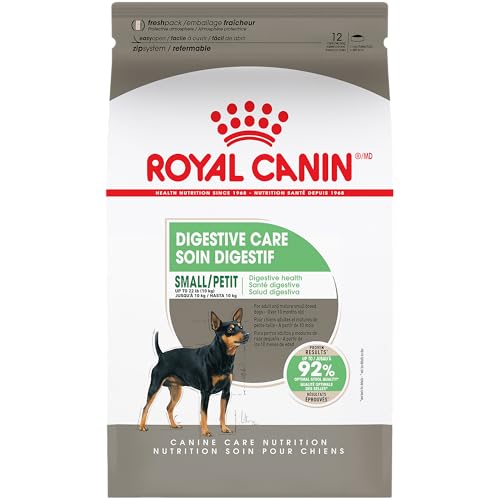 | Best for Small Breeds | Form: Dry kibble | Flavor: Digestive formula | Life Stage: 10 months+ | VIEW LATEST PRICE | Read Our Analysis |
| Blue Buffalo Basics Small Breed Wet Dog Food |  | Best Grain-Free Wet | Form: Wet food | Flavor: Lamb & potato | Life Stage: Adult | VIEW LATEST PRICE | Read Our Analysis |
| Royal Canin Gastrointestinal Low Fat Dog Food | 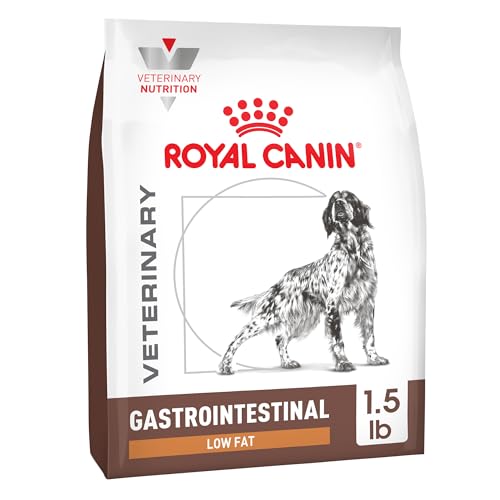 | Best Vet Formula | Form: Dry kibble | Flavor: Chicken | Life Stage: Adult | VIEW LATEST PRICE | Read Our Analysis |
| Dave’s Pet Food Bland Diet Dog Food Chicken & Rice |  | Best Bland Diet | Form: Pâté | Flavor: Chicken & rice | Life Stage: Adult | VIEW LATEST PRICE | Read Our Analysis |
| Under the Weather Bland Diet for Dogs |  | Best Freeze-Dried | Form: Freeze-dried | Flavor: Rice, chicken & pumpkin | Life Stage: All life stages | VIEW LATEST PRICE | Read Our Analysis |
| Weruva Belly Belly Nice! Digestive Support Dog Food |  | Best Variety Pack | Form: Wet food | Flavor: Mixed recipes | Life Stage: All life stages | VIEW LATEST PRICE | Read Our Analysis |
More Details on Our Top Picks
Royal Canin Small Digestive Care Dry Dog Food
Royal Canin Small Digestive Care Dry Dog Food is a strong choice for small dogs 10 months or older that weigh up to 22 lb and have sensitive stomachs. It contains highly digestible proteins, prebiotics, and dietary fibers to support healthy digestion. This formula helps your dog process food more easily, supports balanced intestinal flora, and promotes ideal stool quality. It also pairs well with Royal Canin wet dog food, allowing you to mix feeding styles while still supporting digestive health.
- Form:Dry kibble
- Flavor:Digestive formula
- Life Stage:10 months+
- Breed Size:Small dogs
- Digestive Support:Digestive care
- Package Size:Not listed
- Additional Feature:Highly digestible proteins
- Additional Feature:Balanced intestinal flora
- Additional Feature:Mixes with wet food
Blue Buffalo Basics Small Breed Wet Dog Food
Blue Buffalo Basics Adult Small Breed Grain-Free Wet Dog Food is a strong choice if you want gentle GI support for a small adult dog with a sensitive stomach. It features a limited-ingredient lamb and potato recipe with real lamb as the #1 ingredient, and it contains no chicken by-product meals, corn, wheat, soy, artificial flavors, or preservatives. This wet food supports easy digestion, skin health, and a shiny coat with omega 3 and 6 fatty acids. It also helps meet small breeds’ higher energy needs while supporting immune health.
- Form:Wet food
- Flavor:Lamb & potato
- Life Stage:Adult
- Breed Size:Small breeds
- Digestive Support:Gentle digestion
- Package Size:12 cups
- Additional Feature:Limited ingredient diet
- Additional Feature:Omega 3 & 6
- Additional Feature:No artificial preservatives
Royal Canin Gastrointestinal Low Fat Dog Food
If your dog struggles to digest or tolerate fat, this veterinary-exclusive low fat dry kibble can be a strong option for GI support. You’ll get a chicken flavored Royal Canin Veterinary Diet formula made for adult dogs of all breeds. It is easy to digest, uses prebiotics to help support gut bacteria, and includes a fiber blend for healthy stools. Fish oil adds omega 3s, including EPA and DHA, while antioxidants support immunity. Its highly flavorful kibble can help picky eaters, and you can pair it with the wet version. Follow your vet’s guidance for use.
- Form:Dry kibble
- Flavor:Chicken
- Life Stage:Adult
- Breed Size:All breed sizes
- Digestive Support:Low-fat GI support
- Package Size:1.5 lb bag
- Additional Feature:Low fat formula
- Additional Feature:Prebiotics support gut bacteria
- Additional Feature:Antioxidants for immunity
Dave’s Pet Food Bland Diet Dog Food Chicken & Rice
Dave’s Pet Food Bland Diet Chicken & Rice is a smart choice for dogs with sensitive stomachs, especially when they need gentle support during diarrhea, vomiting, gas, or stomach upset. It is a vet-recommended, no-prescription, limited-ingredient meal with chicken, white rice, vitamins, and minerals. Its low-fat, gluten-free formula skips wheat, artificial colors, flavors, and meat by-products, so you can feed it during flare-ups, recovery, or travel. The soft pâté is easy to chew and serve as a full meal or topper for adult dogs only.
- Form:Pâté
- Flavor:Chicken & rice
- Life Stage:Adult
- Breed Size:All breed sizes
- Digestive Support:Bland diet relief
- Package Size:12 cans
- Additional Feature:Single-protein recipe
- Additional Feature:Low fat formula
- Additional Feature:Soft pâté texture
Under the Weather Bland Diet for Dogs
Under the Weather Bland Diet for Dogs is a vet-formulated, freeze-dried meal that is ideal when your dog needs easy-to-digest support for vomiting, diarrhea, or general digestive upset. Just add water, and it rehydrates in minutes. The recipe uses white rice, human-grade chicken, and organic pumpkin, with no by-products, gluten, artificial flavors, or dyes. You can keep it in your pantry for travel, surgery recovery, medication days, or routine changes. It also works as a topper while you transition back to regular food. Made in the USA, it supports hydration and energy.
- Form:Freeze-dried
- Flavor:Rice, chicken & pumpkin
- Life Stage:All life stages
- Breed Size:All breed sizes
- Digestive Support:GI upset support
- Package Size:6 oz pack
- Additional Feature:Freeze dried format
- Additional Feature:Add water quickly
- Additional Feature:Electrolyte blend included
Weruva Belly Belly Nice! Digestive Support Dog Food
Weruva Belly Belly Nice! gives you a digestive support wet food option whenever your dog needs a gentle, tasty meal. You get a 10 cup variety pack with shredded recipes in gravy: Grandma’s Chicken Soup, Amazon Livin, Bed and Breakfast, and Wok The Dog. Each cup includes pumpkin, quinoa, and inulin to support easy digestion, healthy hydration, and high quality protein. It is grain free, gluten free, carrageenan free, and free from corn, soy, wheat, artificial colors, and preservatives. Weruva makes it in human food facilities, so you can feel confident feeding dogs of all breed sizes and life stages.
- Form:Wet food
- Flavor:Mixed recipes
- Life Stage:All life stages
- Breed Size:Small, medium, large
- Digestive Support:Digestive support
- Package Size:10 cups
- Additional Feature:Variety pack assortment
- Additional Feature:Pumpkin quinoa inulin
- Additional Feature:BPA-free cups
Factors to Consider When Choosing Dog Food for Gastrointestinal Problems
Whenever you are choosing dog food for gastrointestinal problems, look for highly digestible formulas with gentle proteins that are easy on your dog’s stomach. You will also want low-fat recipes with prebiotics and fiber to support healthy digestion, plus limited ingredients if your dog has sensitivities. Moisture matters too, since wet food or added hydration can help keep things moving and support GI comfort.
Digestibility And Gentle Proteins
For dogs with sensitive stomachs, highly digestible proteins can make a big difference because they are easier to digest and absorb, which may help reduce digestive strain during GI upset. Look for gentle protein sources that your dog can break down with less effort, since they may be better tolerated during periods of sensitive digestion. Limited ingredient formulas can also help you identify and avoid proteins that seem to trigger discomfort. If your dog struggles with richer meals, choose recipes that feel simple and straightforward. Wet, soft, or rehydrated foods may help too, because they can make protein and other nutrients easier to consume and process. By focusing on digestibility first, you can support your dog’s comfort and make mealtime less stressful during GI flare-ups.
Low-Fat Formulations
Low-fat formulations can be especially helpful if your dog has trouble digesting fat because they may be easier on the GI tract during flare-ups or recovery. Choose a food that clearly states it is low fat and made for digestive health, not just standard maintenance. That distinction matters because a true gastrointestinal diet is designed to be gentler when your dog struggles with vomiting, diarrhea, gas, or general stomach upset. Many veterinary style formulas also keep fat controlled while adding supportive nutrients such as omega-3s, which can fit well into a careful GI plan. If your dog’s symptoms worsen after rich meals, a lower fat option may help you manage meals more comfortably and support steadier digestion during sensitive periods.
Prebiotics And Fiber
Prebiotics and fiber can make a big difference when you are choosing food for a dog with gastrointestinal issues because they help support a healthier gut environment and more consistent stool quality. You can look for formulas that include prebiotics to feed beneficial gut bacteria, since that supports a better intestinal balance during digestive upset. Fiber also helps manage digestion by encouraging firmer, more regular stools and improving overall stool quality. Many foods pair prebiotics with different fibers to support balanced intestinal flora and easier digestion. Soluble and fermentable fibers can be especially helpful because they may help your dog’s digestive tract process food more efficiently. For GI problems, these combined ingredients often support both bowel regularity and day to day digestive comfort.
Limited Ingredient Diets
Whenever your dog has a sensitive stomach, a limited ingredient diet can make it easier to pinpoint what is causing the upset by keeping the recipe simple, often with one protein source and just a few highly digestible ingredients. You can also avoid common triggers like corn, wheat, soy, artificial flavors, artificial colors, and meat by-products to narrow down possible causes of stomach distress. If your dog seems sensitive to grains or gluten, a grain-free or gluten-free formula with rice or potato may work well. Look for recipes that add gentle fiber and prebiotics to support intestinal balance and better stool quality. Wet, pâté, or rehydratable freeze-dried options can be easier to feed when your dog’s appetite is low or digestion feels fragile.
Moisture And Hydration
Another helpful factor to assess is moisture and hydration, since dogs with GI upset can lose extra fluids through vomiting or diarrhea. You will want to choose foods that help replace that lost moisture because hydration supports normal digestion and may help keep stool consistency steadier. Wet, shredded, pâté, or rehydratable diets can also be easier for your dog to eat when appetite drops. If your dog tolerates it, foods you can mix with water or serve with gravy can increase fluid intake without relying on extra drinking. Look for a format that helps your dog stay comfortable and consistently hydrated throughout the day. That simple step can make meals easier to manage while your dog’s stomach settles and recovers.
Life Stage Suitability
A dog food should match your dog’s life stage because formulas are often designed for puppies, adults, or all life stages. Read the label closely, since many gastrointestinal support diets are meant for adult maintenance only and may not meet the needs of a growing puppy. If you have a small dog, choose a formula made for small breeds and the correct age range, such as 10 months and older or adult small breeds. For seniors, choose an easy to chew or softer texture that still fits their age group. If you are unsure, select a diet made for your dog’s specific developmental stage so the GI support remains nutritionally complete. That way, you can ease digestion without sacrificing age appropriate nutrition.
Veterinary Guidance
Veterinary guidance can help you pinpoint what is really behind your dog’s digestive trouble, whether it is a food sensitivity, fat intolerance, infection, stress, or a more serious condition that needs different treatment. If your dog keeps vomiting, has diarrhea, gas, or ongoing stomach upset, do not guess at the cause; a vet can guide you toward the right workup and diet. Depending on the diagnosis, your dog could do best with highly digestible proteins, prebiotics, added fiber, or lower fat. Your vet can also tell you whether a therapeutic diet, limited ingredient formula, or bland recovery food fits your dog’s age, size, and tolerance. They will help you use the food correctly, too, including feeding length, mixing wet or dry, and timing the return to regular food.
Frequently Asked Questions
How Long Does It Take for a Diet Change to Help?
You’ll usually see improvement within 3 to 14 days, though some dogs need 4 to 6 weeks. If you do not notice progress or symptoms worsen, contact your vet promptly for guidance.
Can Dogs With Sensitive Stomachs Eat Treats?
Yes, you can give your dog treats, but choose simple, digestible ones. About 10% of daily calories can come from treats. Introduce them slowly and watch for vomiting, gas, or loose stools.
Should Probiotics Be Added to GI Relief Diets?
Yes, probiotics can be added to GI relief diets if your vet agrees. They may help support digestion and stool quality. Start slowly, choose a dog-specific product, and watch for gas or loose stools.
How Often Should I Feed a Dog With Digestive Issues?
You’ll usually feed your dog with digestive issues two to four smaller meals daily, not one large one. Smaller portions can calm an upset stomach, while steadier timing supports healing and helps prevent symptoms from flaring up.
When Should I See a Vet for Ongoing Stomach Upset?
See a vet if your dog’s stomach upset lasts more than 24 hours, gets worse, or includes vomiting, diarrhea, blood, lethargy, or pain. Do not wait if he will not eat or drink, or if he starts to improve and then gets worse again.
Final Thoughts
When you choose food for a dog with a sensitive stomach, you are helping guide their digestive system back toward calm. Whether you select a vet-backed formula, a bland diet, or a limited-ingredient recipe, the best option should ease discomfort rather than make it worse. Pay attention to your dog’s needs, watch how they respond, and let each meal support steady relief.