

If your dog has pancreatitis, you know how careful meal choices must be.
The right food should be low in fat, easy to digest, and simple enough to avoid extra stress on the pancreas.
In the list ahead, you will find six options that may fit the bill, plus a few factors that can help you choose what is safest for your dog next.
| I and love and you Baked Dry Dog Food |  | Best Grain-Free | Food Type: Dry kibble | Breed Size: All sizes | Digestive Support: Prebiotics/probiotics | VIEW LATEST PRICE | Read Our Analysis |
| Royal Canin Small Digestive Care Dog Food | 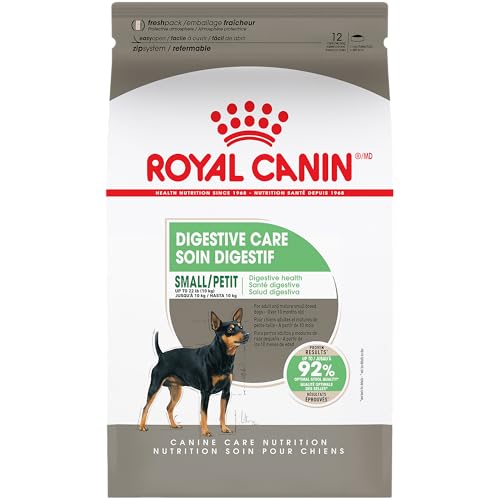 | Best Digestive Care | Food Type: Dry food | Breed Size: Small breeds | Digestive Support: Prebiotics/fiber | VIEW LATEST PRICE | Read Our Analysis |
| Purina Pro Plan Hydrolyzed Low Fat Dog Treats |  | Best Treat Option | Food Type: Treats | Breed Size: All sizes | Digestive Support: Sensitive stomach | VIEW LATEST PRICE | Read Our Analysis |
| Wellness Bowl Boosters Digestive Dog Food Topper 4 oz |  | Best Topper | Food Type: Topper | Breed Size: All sizes | Digestive Support: Probiotics/fiber | VIEW LATEST PRICE | Read Our Analysis |
| Hill’s Science Diet Perfect Weight & Joint Support Dog Food |  | Best Weight Support | Food Type: Dry food | Breed Size: All sizes | Digestive Support: N/A | VIEW LATEST PRICE | Read Our Analysis |
| Blue Buffalo Basics Small Breed Grain-Free Wet Dog Food |  | Best Small Breed | Food Type: Wet food | Breed Size: Small breeds | Digestive Support: Gentle digestion | VIEW LATEST PRICE | Read Our Analysis |
More Details on Our Top Picks
I and love and you Baked Dry Dog Food
I and love and you Baked Dry Dog Food is a good option if you want a dry kibble that is still easy on digestion, thanks to added prebiotics and probiotics. You can feed it as dry kibble or add water for a gravy coating and a softer bite. Beef leads the recipe, with sweet potato providing balanced fuel. The oven-baked texture may appeal if your dog has a picky appetite. With 28% protein, it supports muscle and energy. It also avoids corn, wheat, rice, soy, oats, fillers, and GMOs, which keeps the ingredient list clean.
- Food Type:Dry kibble
- Breed Size:All sizes
- Digestive Support:Prebiotics/probiotics
- Grain-Free:Yes
- Main Protein:Beef
- Life Stage:Adult
- Additional Feature:Oven-baked texture
- Additional Feature:Add water gravy
- Additional Feature:Non-GMO ingredients
Royal Canin Small Digestive Care Dog Food
Royal Canin Small Digestive Care Dog Food is a strong option when you need a dry food for a small dog with a sensitive stomach, especially one that is 10 months or older and weighs up to 22 lb. It includes highly digestible proteins, prebiotics, and dietary fibers that support healthy digestion and balanced intestinal flora. It also helps promote ideal stool quality. The chicken flavored pellets can work well if your dog is picky, and you can mix them with Royal Canin wet food. Royal Canin backs the formula with decades of research and a satisfaction guarantee.
- Food Type:Dry food
- Breed Size:Small breeds
- Digestive Support:Prebiotics/fiber
- Grain-Free:No
- Main Protein:Chicken
- Life Stage:Adult
- Additional Feature:Highly digestible proteins
- Additional Feature:Balanced intestinal flora
- Additional Feature:Optimal stool quality
Purina Pro Plan Hydrolyzed Low Fat Dog Treats
Purina Pro Plan Veterinary Diets Gentle Snackers Hydrolyzed Plus Low Fat Dog Treats are a smart choice for dogs that need a pancreatitis friendly treat and support for food sensitivities. The hydrolyzed protein recipe uses a single protein source, which can help reduce reactions in sensitive dogs. Because these treats are low in fat, they can also fit into a weight control plan. The crunchy texture and great taste make them useful for training or daily rewards. This 8 oz. pouch is an easy addition to your routine as a veterinary diet treat you can feel good about serving.
- Food Type:Treats
- Breed Size:All sizes
- Digestive Support:Sensitive stomach
- Grain-Free:N/A
- Main Protein:Hydrolyzed protein
- Life Stage:All stages
- Additional Feature:Hydrolyzed protein recipe
- Additional Feature:Low fat treats
- Additional Feature:Crunchy texture
Wellness Bowl Boosters Digestive Dog Food Topper 4 oz
Wellness Bowl Boosters Digestive Dog Food Topper 4 oz is a smart pick if you want to add gentle flavor and digestive support to a pancreatitis-friendly feeding plan. It features freeze-dried chicken pieces, wholesome grains, and vegetables to make meals more appealing for picky eaters. It provides probiotics, fiber from fruits and vegetables, and high-quality superfoods that support gut health and overall vitality. You also avoid corn, wheat, soy, poultry by-products, artificial colors, and preservatives. Made in the USA with non-GMO ingredients, it suits all life stages and breed sizes.
- Food Type:Topper
- Breed Size:All sizes
- Digestive Support:Probiotics/fiber
- Grain-Free:Yes
- Main Protein:Chicken
- Life Stage:All stages
- Additional Feature:Freeze-dried meat pieces
- Additional Feature:Made in USA
- Additional Feature:Non-GMO ingredients
Hill’s Science Diet Perfect Weight & Joint Support Dog Food
Hill’s Science Diet Perfect Weight & Joint Support Dog Food can be a good option for adult dogs that need help managing weight while also supporting joint health. It offers a chicken-based dry recipe made with natural ingredients and is designed to support a healthy metabolism with clinically proven weight management nutrition. In a USA study, over 70% of adult dogs lost weight within 10 weeks. It also includes Omega-3 rich fish oil to support hips, joints, and mobility. Made in the USA with global ingredients, it comes from Hill’s, a veterinarian-recommended brand.
- Food Type:Dry food
- Breed Size:All sizes
- Digestive Support:N/A
- Grain-Free:N/A
- Main Protein:Chicken
- Life Stage:Adult
- Additional Feature:Clinically proven weight management
- Additional Feature:Omega-3 rich fish oil
- Additional Feature:Supports mobility
Blue Buffalo Basics Small Breed Grain-Free Wet Dog Food
Blue Buffalo Basics Adult Small Breed Grain-Free Wet Dog Food is a good choice if you want a limited ingredient option for a small breed adult dog with a sensitive stomach or skin concerns. It starts with real lamb as the first ingredient, and the grain free recipe includes potato for easier digestion. It does not contain chicken, corn, wheat, soy, artificial flavors, or preservatives, which may help reduce common triggers. Added omega 3 and 6 fatty acids support skin and coat health, while the wet texture can help keep your dog hydrated and satisfied.
- Food Type:Wet food
- Breed Size:Small breeds
- Digestive Support:Gentle digestion
- Grain-Free:Yes
- Main Protein:Lamb
- Life Stage:Adult
- Additional Feature:Limited ingredient diet
- Additional Feature:Omega 3 & 6
- Additional Feature:No artificial preservatives
Factors to Consider When Choosing Dog Food for Dogs With Pancreatitis
When you choose dog food for pancreatitis, look for low fat formulas that help ease strain on your dog’s digestive system. You’ll also want digestible protein sources, simple ingredient lists, and added fiber or probiotics to support gut health. Finally, consider your dog’s breed specific needs so the food fits their size, metabolism, and overall sensitivity.
Low-Fat Formulas
Low-fat formulas are often the safest choice for dogs with pancreatitis because they help limit the amount of fat the pancreas has to process. You should check the label for a clearly stated fat percentage instead of trusting words like “light” or “digestive care,” which do not always mean low fat. Look for formulas that keep fat down while still offering moderate protein and digestible ingredients to support total nutrition. This matters even more during flare-ups or whenever your dog has a history of pancreatitis, since higher-fat diets can raise the risk of another episode. Do not forget treats and toppers. Rich extras can still trigger upset, so keep snacks just as low in fat as the main meal.
Digestible Protein Sources
For dogs with pancreatitis, highly digestible protein sources can make meals easier to process and may help reduce digestive strain. Clear protein sources such as chicken, beef, lamb, or fish are often a good choice because they let you track how your dog responds and identify possible triggers more quickly. Hydrolyzed protein may also help, since it is broken into smaller pieces that your dog’s system may tolerate more easily. Single-source protein recipes can further simplify feeding by limiting the number of proteins your dog needs to handle at once. Still, do not focus on digestibility alone. You should also check the fat content, because even a gentle protein will not suit your dog if the formula is too rich and could worsen pancreatitis symptoms.
Simple Ingredient Lists
A short ingredient list can make a big difference when you are choosing food for a dog with pancreatitis because it is easier to spot and avoid triggers. You want simple recipes that do not hide extra fats, fillers, or unnecessary additives that can burden digestion. With fewer ingredients, you can quickly check for common problem foods such as corn, wheat, soy, and artificial preservatives. That clarity helps you rule out foods that could upset your dog’s system. Limited ingredient formulas can be especially useful if your dog also has food sensitivities, since they narrow the list of possible irritants. They also make comparisons easier, so you can choose a formula that looks cleaner and gentler for your dog’s stomach.
Fiber And Probiotics
Fiber and probiotics can be especially helpful when selecting food for a dog with pancreatitis because they support easier digestion without adding extra strain. Look for moderate, digestible fiber that can help keep stools more consistent and support digestive regularity when your dog’s system feels sensitive. Prebiotics also matter because they feed beneficial gut bacteria and help maintain a healthier intestinal environment during upset. Probiotics can further support a balanced microbiome, which may ease stress on the digestive tract. Many digestive formulas combine both ingredients because they work well together. When you choose a food with fiber and probiotic support, you help reduce strain on your dog’s gut while still providing nutrition they can handle.
Breed-Specific Needs
Beyond fiber and probiotics, your dog’s breed can influence which pancreatitis-friendly food works best. If you have a small breed, look for smaller kibble and easy-to-digest ingredients, since tiny dogs, especially those under 22 lb, can be more prone to stomach upset and loose stools. For larger breeds, choose portion sizes and calories that match their body size and activity level so you do not overload their system. If your dog’s breed is energetic, keep recovery calories steady without adding excess fat. You should also factor in breed-related skin, coat, or allergy issues, because common triggers can add digestive stress. In every case, choose a low-fat formula that supports digestion without putting too much strain on the pancreas.
Dry Vs Wet Food
Whenever you are choosing between dry and wet food for a dog with pancreatitis, moisture and digestibility often matter more than convenience. Wet food usually provides more hydration, and it may feel gentler when your dog’s stomach is upset. It is also easier to chew, which can help if your dog is not keen to eat. Dry food can be convenient for storage and measuring, but it has less moisture and may be a poorer fit during digestive flare ups. It is also calorie dense, so you need to portion it carefully. What matters most is how your dog handles the texture, moisture level, and fat content. If one option causes discomfort, switch to the form your dog tolerates best and follow your vet’s guidance closely.
Weight Management Support
Weight management matters a lot for dogs with pancreatitis because excess body weight can put extra strain on the digestive system and make feeding control harder. Choose a food with controlled calorie density so your dog can eat normal portions without taking in too many calories at once. Look for moderate to high protein to help preserve lean muscle while you reduce calories, since rapid weight loss can lead to muscle loss. Aim for a diet that supports slow, steady weight loss rather than quick drops, because fast changes can stress the body and upset nutritional balance. Even the right food will not help if you overfeed, so keep portions measured and feeding times consistent every day.
Frequently Asked Questions
How Much Water Should a Pancreatitis-Prone Dog Drink Daily?
You should let your dog drink freely, since there is no fixed daily amount. Most dogs need about one ounce per pound of body weight, but ask your vet whether illness changes that recommendation.
Can Pancreatitis Dogs Eat Homemade Meals Safely?
Yes, if you balance them carefully with your vet. I once saw a careful meal plan help a picky dog; low-fat, bland, measured meals reduced flare-ups. You will need veterinary guidance, since homemade diets can miss key nutrients.
Should Treats Be Completely Avoided During Pancreatitis Recovery?
Not completely, but you should avoid rich treats and ask your vet first. You can offer tiny, low-fat, plain options during recovery, but any snack can trigger symptoms, so keep portions minimal and monitor closely.
How Often Should Feeding Portions Be Split Each Day?
You should split your dog’s daily food into four to six small meals, not one or two large ones. Smaller, steadier portions support digestion, while more frequent feeding can reduce pancreatic strain and aid recovery.
When Should a Vet Recheck a Dog With Pancreatitis?
You should recheck your dog with pancreatitis within 24 to 48 hours if symptoms persist, then follow your vet’s instructions. Seek care sooner if your dog is vomiting, in pain, has a fever, or is not eating, because complications can worsen quickly.