


If your dog’s gut is acting up, the right food can make a real difference fast. Some formulas are easier to digest, while others focus on stool quality, gentle fiber, or sensitive stomach support.
The six options below cover a range of needs, from puppies to low fat diets, and one of them may fit your dog better than you expect.
| Royal Canin Small Digestive Care Dog Food | 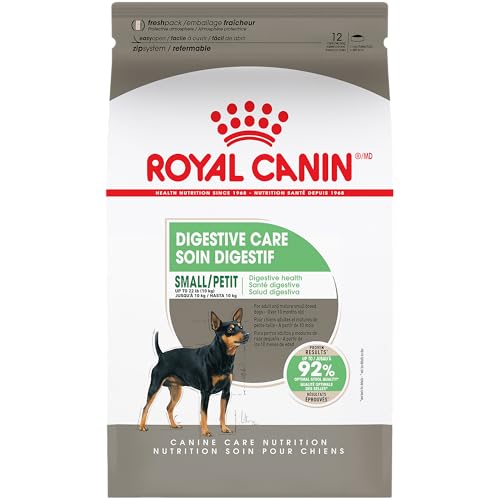 | Best for Small Dogs | Digestive Support: Sensitive stomach support | Food Form: Dry kibble | Life Stage: 10 months+ | VIEW LATEST PRICE | Read Our Analysis |
| Lucy Pet Duck Pumpkin & Quinoa Dry Dog Food |  | Best Grain-Free Formula | Digestive Support: Gut health support | Food Form: Dry food | Life Stage: All life stages | VIEW LATEST PRICE | Read Our Analysis |
| Purina Pro Plan Veterinary Diets EN Gastroenteric Dog Food |  | Best Veterinary Diet | Digestive Support: GI microbiome balance | Food Form: Dry kibble | Life Stage: Adult | VIEW LATEST PRICE | Read Our Analysis |
| Hill’s Science Diet Perfect Weight & Joint Dog Food |  | Best for Weight Control | Digestive Support: Not a digestive formula | Food Form: Dry food | Life Stage: Adult 1–6 | VIEW LATEST PRICE | Read Our Analysis |
| Hill’s Science Diet Puppy Sensitive Stomach & Skin Dog Food | 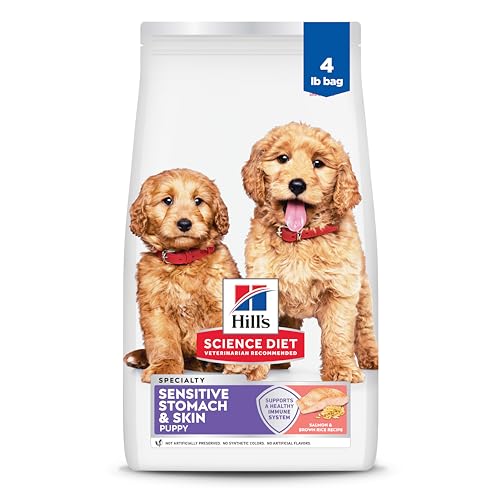 | Best for Puppies | Digestive Support: Sensitive stomach support | Food Form: Dry food | Life Stage: Puppy | VIEW LATEST PRICE | Read Our Analysis |
| Royal Canin Gastrointestinal Low Fat Dog Food | 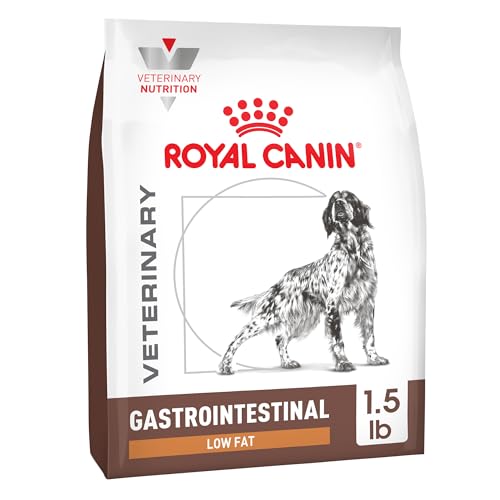 | Best Low-Fat Option | Digestive Support: Low-fat digestive support | Food Form: Dry kibble | Life Stage: Adult | VIEW LATEST PRICE | Read Our Analysis |
More Details on Our Top Picks
Royal Canin Small Digestive Care Dog Food
Royal Canin Small Digestive Care Dog Food is a strong option for small dogs 10 months or older, weighing up to 22 pounds, that have a sensitive stomach. It uses highly digestible proteins, prebiotics, and dietary fibers to support healthy digestion and help your dog process meals more easily. You also get a formula that promotes balanced intestinal flora and optimal stool quality, which can make cleanup simpler. Its small dog nutrition fits tiny mouths well, and you can serve it alone or with Royal Canin wet food for extra variety and digestive support.
- Digestive Support:Sensitive stomach support
- Food Form:Dry kibble
- Life Stage:10 months+
- Breed Size:Small dogs
- Main Protein:Highly digestible proteins
- Key Additives:Prebiotics, fibers
- Additional Feature:Promotes optimal stool quality
- Additional Feature:Prebiotics and dietary fibers
- Additional Feature:Complements wet food
Lucy Pet Duck Pumpkin & Quinoa Dry Dog Food
Lucy Pet Duck, Pumpkin & Quinoa Dry Dog Food is a strong choice if your dog needs digestive support. It uses a grain-free formula with P.B.F. Prebiotic Balanced Fiber to support gut health, sensitive stomachs, and nutrient absorption. Duck is the first ingredient, and the recipe also includes pumpkin, quinoa, and chicory root for added digestive support. It is gluten-free, soy-free, and wheat-free, with no duck by-products or ingredients from China. The recipe is suitable for all life stages and breed sizes, and its protein, omega fats, and minerals support muscle, skin, coat, and overall function.
- Digestive Support:Gut health support
- Food Form:Dry food
- Life Stage:All life stages
- Breed Size:All breed sizes
- Main Protein:Duck
- Key Additives:Prebiotic fiber, pumpkin
- Additional Feature:Grain-free formula
- Additional Feature:Limited ingredient diet
- Additional Feature:No ingredients from China
Purina Pro Plan Veterinary Diets EN Gastroenteric Dog Food
Purina Pro Plan Veterinary Diets EN Gastroenteric Dog Food is a strong option if your dog needs targeted digestive support, especially when GI upset makes it difficult to absorb nutrients well. It includes select prebiotic fiber that helps balance the GI microbiome and supports digestive health. Its highly digestible formula promotes ideal nutrient absorption, while added vitamins, minerals, and nutrients help round out the diet. Coconut oil provides medium chain triglycerides, and the recipe does not include corn, wheat, artificial colors, or artificial flavors. Your dog may also benefit from the great tasting kibble, high quality protein, and antioxidants that support the immune system.
- Digestive Support:GI microbiome balance
- Food Form:Dry kibble
- Life Stage:Adult
- Breed Size:All breed sizes
- Main Protein:High-quality protein
- Key Additives:Prebiotic fiber, MCTs
- Additional Feature:Coconut oil included
- Additional Feature:Great-tasting kibble
- Additional Feature:Immune system antioxidants
Hill’s Science Diet Perfect Weight & Joint Dog Food
Hill’s Science Diet Adult Perfect Weight and Joint Support Dry Dog Food is a strong choice for adult dogs that need weight control and extra joint support, especially when excess pounds may be putting added strain on mobility. It features chicken and brown rice in a dry formula designed for dogs ages 1 to 6. The recipe supports healthy metabolism, lean muscle, hip mobility, and overall activity. Omega 3 fish oil, EPA, glucosamine, and chondroitin support joint health, while clinically proven antioxidants help support immunity. In a U.S. study, more than 70% of dogs lost weight within 10 weeks, which makes it a confident option for many owners.
- Digestive Support:Not a digestive formula
- Food Form:Dry food
- Life Stage:Adult 1–6
- Breed Size:Medium / all sizes
- Main Protein:Chicken
- Key Additives:Glucosamine, chondroitin
- Additional Feature:Clinically tested weight management
- Additional Feature:Joint mobility support
- Additional Feature:Over 70% weight loss
Hill’s Science Diet Puppy Sensitive Stomach & Skin Dog Food
If your puppy has a sensitive stomach and itchy skin, this formula could be a strong fit because it offers triple support for digestion, skin, and immune health. It features a highly digestible recipe with prebiotic fiber that is gentle on the stomach and helps your puppy absorb nutrients well. Vitamin E and omega 3 and omega 6 fatty acids support healthy skin and a shiny coat, while clinically proven antioxidants, including vitamins C and E, help maintain immune health. High quality salmon is the first ingredient, and DHA supports brain development and growing muscles.
- Digestive Support:Sensitive stomach support
- Food Form:Dry food
- Life Stage:Puppy
- Breed Size:All breed sizes
- Main Protein:Salmon
- Key Additives:DHA, antioxidants
- Additional Feature:DHA brain development
- Additional Feature:Vitamin E skin support
- Additional Feature:Salmon first ingredient
Royal Canin Gastrointestinal Low Fat Dog Food
Royal Canin Gastrointestinal Low Fat Dog Food is a strong choice for adult dogs that struggle to tolerate fat and need gentle digestive support. You get a veterinary-exclusive dry kibble with low fat, easy-to-digest nutrition that can help ease sensitive stomachs. Its prebiotics, dietary fiber, and omega-3s from fish oil support gut bacteria, stool quality, and overall digestive health. The chicken flavor may help tempt picky eaters, and you can mix it with the wet version if needed. Use it under your vet’s guidance for long-term support.
- Digestive Support:Low-fat digestive support
- Food Form:Dry kibble
- Life Stage:Adult
- Breed Size:All breed sizes
- Main Protein:Chicken
- Key Additives:Prebiotics, fish oil
- Additional Feature:Low-fat formula
- Additional Feature:Mixed feeding option
- Additional Feature:Picky appetite appeal
Factors to Consider When Choosing Dog Food for Dogs With Intestinal Problems
When you choose food for a dog with intestinal problems, focus on how well it is digested and absorbed, since that can make a big difference in comfort and nutrition. You should also check the prebiotic fiber content, fat level, and ingredient simplicity to help reduce the risk of digestive upset. Your dog’s breed size matters too, because small and large dogs often need different nutrient levels and kibble sizes.
Digestibility and Absorption
Digestibility and absorption matter because the easier a dog food is to break down, the less work your dog’s intestines must do and the more nutrients they can absorb. Look for highly digestible proteins and carbohydrates so your dog can process meals with less strain and gain more benefit from each bite. Low fat formulas can also help if excess fat upsets your dog’s gut or makes digestion uncomfortable. Many digestive diets add vitamins and minerals to support nutrition when absorption is not ideal. You may also notice better stool quality when a formula suits your dog well, which is a practical sign that digestion is improving. When you choose a food that is easy to digest, you help your dog maintain comfort and nourishment.
Prebiotic Fiber Content
Prebiotic fiber can play an essential role in supporting dogs with intestinal problems because it helps feed beneficial gut bacteria and encourages a more balanced microbiome. When you shop for food, check whether the formula includes prebiotic fibers such as inulin, chicory root, or similar digestive support ingredients. These fibers can work with highly digestible ingredients to help your dog absorb nutrients more efficiently and may improve stool quality by supporting healthier intestinal function. Some recipes also pair prebiotic fiber with other fibers and digestive nutrients for broader GI support. Do not just look at total fiber numbers, though. You will get better guidance when prebiotic fiber is clearly listed as part of the digestive support formula, since that tells you the food was designed with intestinal health in mind.
Fat Level Sensitivity
Fat content matters just as much as fiber when you choose food for a dog with intestinal problems. If your dog’s gut struggles to handle fat, a lower fat diet can ease digestion by giving the intestines less fat to process at once. That can help reduce flare ups, especially when your dog has soft stools, poor digestion, or repeated gastrointestinal upset. You can also look for formulas that combine easy to digest nutrients with added fiber, since that mix may support better stool quality while staying gentler on the digestive tract. If your dog seems sensitive to fat, ask your vet about a low fat diet. With veterinary guidance, you can better support digestion, nutrient absorption, and overall comfort for your dog.
Ingredient Simplicity
When you are choosing food for a dog with intestinal problems, a simpler ingredient list can make a big difference. You can spot and avoid specific triggers more easily, which helps when digestive upset keeps coming back. Look for limited-ingredient formulas with one animal protein and a few digestible carbohydrate and fiber sources. That makes elimination or trial feeding easier because you are monitoring fewer ingredients at once. You should also skip unnecessary additives like artificial colors and flavors, since they can complicate an already sensitive diet.
Simple does not always mean better, though. A food with fewer ingredients can still cause trouble if the protein is not digestible or the fiber is not balanced. Focus on clarity, quality, and moderate fiber so you are giving your dog a formula that is easier to evaluate and, hopefully, tolerate.
Breed Size Needs
Breed size can shape how well a food works for a dog with intestinal problems. If you have a small dog, look for smaller kibble and more concentrated nutrition so each bite is easier to chew and digest. Diets made for dogs up to about 22 lb often fit toy and small breeds well. For medium and large dogs, choose a formula and feeding amount that matches their bigger bodies, since calorie needs and portion sizes rise quickly. Larger dogs may also do better with digestive support that does not overload fat or fiber, especially if bigger meals upset their stomach. Always match the food to your dog’s size category so you are not underfeeding or overdoing it.
Life Stage Fit
Life stage matters because puppies, adults, and seniors do not digest or use nutrients the same way, so you should match the food to your dog’s age and growth stage. For a dog with intestinal problems, pick a formula labeled for that life stage so you do not underfeed or overload key nutrients. If your dog is still growing, choose a puppy diet or an all life stages food, since adult only recipes may miss protein, energy, and developmental support. For adult dogs with chronic digestive issues, a maintenance formula often fits better than a growth diet, especially when your vet agrees. Also consider body size with life stage, because small and large dogs may need different kibble sizes and calorie levels for easier chewing, swallowing, and digestion.
Skin And Coat Support
Even when you are managing intestinal problems, do not ignore skin and coat support. Look for dog food with omega-3 and omega-6 fatty acids, since they help keep your dog’s skin healthy and coat shiny while digestion remains a priority. Vitamin E also matters because it supports skin health in formulas made for sensitive stomachs. Choose highly digestible foods with added nutrients so your dog can absorb more of what they eat; poor digestion can show up as dull fur or irritated skin. A balanced amount of quality protein helps maintain muscle and support healthy skin and coat tissue. If your dog has a sensitive gut, choose recipes that pair these skin-support nutrients with gentle ingredients so you can support gastrointestinal comfort and coat condition every day.
Veterinary Diet Options
Whenever skin and coat support matters, veterinary GI diets can also help address the root of intestinal trouble. You’ll often find these diets are highly digestible, so your dog can absorb nutrients more efficiently with less stress on the gut. Many formulas include prebiotic fiber, which helps feed beneficial bacteria and support a healthier microbiome. If your dog struggles with fat, a low fat prescription diet may be easier to tolerate while still meeting nutritional needs. Some options also add extra fiber, omega 3 fatty acids, and antioxidants to support stool quality, digestive health, and immune function. Since intestinal issues can be chronic or tied to other conditions, use these diets under veterinary guidance so you can match the formula to your dog’s specific needs.
Frequently Asked Questions
How Long Should a Dog Eat Intestinal Support Food?
You should feed intestinal support food until your vet says you can stop, often for a few weeks to a few months. You will usually taper slowly and watch for diarrhea, vomiting, or changes in appetite returning.
Can Homemade Diets Help Dogs With Intestinal Problems?
Yes, homemade diets can help dogs with intestinal problems, and roughly 10% of dogs face digestive issues. You will need balanced recipes, though, because missing nutrients can worsen symptoms. Always work with your vet or a nutritionist.
Should Probiotics Be Added to a Sensitive Stomach Diet?
Yes, you can add probiotics to a sensitive stomach diet, but you should consult your vet first. They can help you choose the right strain and dose, since some dogs respond better than others.
When Should I Switch to a Prescription Digestive Diet?
You should switch to a prescription digestive diet whenever your dog’s diarrhea, vomiting, weight loss, or poor appetite keeps returning, or when your vet suspects inflammatory disease. Do not wait, get veterinary guidance soon.
Are Intestinal Dog Foods Suitable for Senior Dogs?
Yes, they can be. About 1 in 3 senior dogs develops digestive issues. You should ask your vet first, since these foods can help older dogs with sensitive stomachs, but they are not ideal for every age-related condition.
Final Thoughts
When your dog’s stomach is unsettled, the right food can make a real difference. These six formulas are designed to support digestion, ease discomfort, and help your dog absorb nutrients more effectively. Whether your dog has a sensitive stomach, poor stool quality, or chronic gastrointestinal issues, a highly digestible diet can help. Talk to your vet, choose the best option, and give your dog’s gut the support it needs.