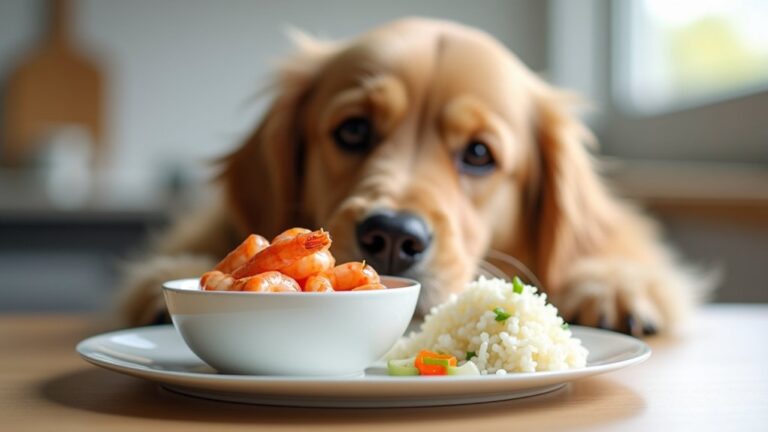


A dog with pancreatitis needs a low-fat, easy-to-digest diet.
Plain, gentle food can help the pancreas rest and support recovery. Vet-formulated options from Royal Canin, Hill’s, and Purina often work well. Smart weight-control recipes can help too, depending on your dog’s needs.
| Royal Canin Small Digestive Care Dry Dog Food | 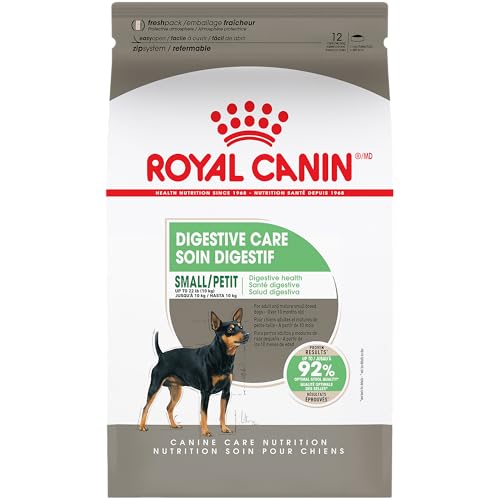 | Best for Small Dogs | Food Form: Dry kibble | Digestive Support: Digestive care | Veterinary Diet: Yes | VIEW LATEST PRICE | Read Our Analysis |
| Purina Pro Plan Veterinary Diets Gentle Snackers Dog Treats |  | Best Treat Option | Food Form: Crunchy treats | Digestive Support: Sensitive stomach support | Veterinary Diet: Yes | VIEW LATEST PRICE | Read Our Analysis |
| Wellness Bowl Boosters Digestive Dog Food Topper |  | Best Topper | Food Form: Freeze-dried topper | Digestive Support: Gut health support | Veterinary Diet: No | VIEW LATEST PRICE | Read Our Analysis |
| Hill’s Prescription Diet i/d Digestive Care Wet Dog Food |  | Best Wet Food | Food Form: Wet food | Digestive Support: Digestive care | Veterinary Diet: Yes | VIEW LATEST PRICE | Read Our Analysis |
| Solid Gold Healthy Weight Management Dry Dog Food |  | Best Weight Management | Food Form: Dry kibble | Digestive Support: Digestion support | Veterinary Diet: No | VIEW LATEST PRICE | Read Our Analysis |
More Details on Our Top Picks
Royal Canin Small Digestive Care Dry Dog Food
Royal Canin Small Digestive Care Dry Dog Food is a smart pick in case you’ve got a small adult dog, especially one up to 22 lb with a sensitive stomach. You give your dog highly digestible proteins, prebiotics, and dietary fibers that help support healthy digestion and balanced intestinal flora. The dry chicken-flavored pellets suit small breeds 10 months and older. You can also mix it with Royal Canin wet food in the event your dog’s picky. In feeding trials, 92% of small dogs achieved ideal stool quality, and you get a 100% satisfaction guarantee.
- Food Form:Dry kibble
- Digestive Support:Digestive care
- Veterinary Diet:Yes
- Age Range:Adult
- Flavor Type:Chicken
- Breed Size:Small breeds
- Additional Feature:Highly digestible proteins
- Additional Feature:Balanced intestinal flora
- Additional Feature:Optimal stool quality
Purina Pro Plan Veterinary Diets Gentle Snackers Dog Treats
Purina Pro Plan Veterinary Diets Gentle Snackers are a smart pick in the event that your dog needs a low-fat, easily digestible treat during pancreatitis recovery or while managing food sensitivities. These crunchy, unflavored hydrolyzed treats use a single protein source, which can help you avoid common triggers. They’re designed for adult dogs of all breed sizes and support sensitive stomachs, digestive health, and weight control. The enticing texture helps keep your dog interested without adding unnecessary fat. Each 8 oz pouch gives you a vet-focused option that fits special diets and can support healthy weight maintenance.
- Food Form:Crunchy treats
- Digestive Support:Sensitive stomach support
- Veterinary Diet:Yes
- Age Range:Adult
- Flavor Type:Unflavored
- Breed Size:Medium/all sizes
- Additional Feature:Hydrolyzed protein source
- Additional Feature:Low fat formula
- Additional Feature:Weight management support
Wellness Bowl Boosters Digestive Dog Food Topper
Wellness Bowl Boosters Digestive Health Dog Food Topper can be a smart pick should your dog needs extra digestive support during pancreatitis recovery, especially should they’re a picky eater or have a sensitive stomach. You can sprinkle this freeze-dried chicken topper over meals to add flavor, fiber from fruits and vegetables, and probiotics that help support gut health. It skips corn, wheat, soy, poultry by-products, artificial colors, and preservatives, while using non-GMO ingredients. Made in the USA, this 4 oz bag suits all breed sizes and life stages, and it can help increase appetite, vitality, and immune support.
- Food Form:Freeze-dried topper
- Digestive Support:Gut health support
- Veterinary Diet:No
- Age Range:All life stages
- Flavor Type:Chicken recipe
- Breed Size:All sizes
- Additional Feature:Freeze-dried chicken recipe
- Additional Feature:Probiotics for microbiome
- Additional Feature:Meal topper format
Hill’s Prescription Diet i/d Digestive Care Wet Dog Food
Hill’s Prescription Diet i/d Digestive Care Wet Dog Food is a strong choice should your dog needs gentle, highly digestible support during pancreatitis recovery, especially as digestive upsets, sensitive stomach, and easier nutrient absorption are top concerns. You’ll get a chicken and vegetable stew made for adult dogs, with ActivBiome+ prebiotic fiber, electrolytes, B vitamins, antioxidants, and omega fatty acids. It helps settle stomach trouble, supports immune health, and promotes skin and coat health. The wet can format can encourage eating, and S+OXSHIELD supports urinary balance. Ask your veterinarian before feeding long term.
- Food Form:Wet food
- Digestive Support:Digestive care
- Veterinary Diet:Yes
- Age Range:Adult
- Flavor Type:Chicken & vegetable stew
- Breed Size:Medium/all sizes
- Additional Feature:ActivBiome+ Digestion blend
- Additional Feature:Added electrolytes
- Additional Feature:S+OXSHIELD support
Solid Gold Healthy Weight Management Dry Dog Food
Solid Gold Healthy Weight Management Dry Dog Food can be a smart pick whenever your dog needs pancreatitis-friendly weight control, especially for adult and senior dogs that do best on a low-fat, low-calorie kibble. You’ll get nutrient-rich protein, balanced nutrition, and portion control support without overloading calories. Probiotics help support gut flora, digestion, and sensitive stomachs, while fiber-rich ingredients like pollock, brown rice, oatmeal, and pearled barley can help your dog feel fuller longer. Omega fatty acids also support healthy skin, a shiny coat, and immune health, making this wheat-free kibble a practical daily option.
- Food Form:Dry kibble
- Digestive Support:Digestion support
- Veterinary Diet:No
- Age Range:Adult/senior
- Flavor Type:Pollock
- Breed Size:All sizes
- Additional Feature:Low calorie formula
- Additional Feature:Real pollock recipe
- Additional Feature:Helps dogs feel fuller
Factors to Consider When Choosing a Dog Diet for Pancreatitis
When you choose a diet for pancreatitis, you should look for low fat content initially, since it helps reduce strain on your dog’s pancreas. You’ll also want highly digestible ingredients and a limited ingredient formula to make meals gentler on sensitive stomachs. Balanced fiber matters too, because the right amount can support digestion without causing extra upset.
Low Fat Content
A very low-fat diet is usually the top priority for dogs with pancreatitis, since fat is harder to digest and can put extra strain on the pancreas. You’ll want meals that keep fat low enough to help reduce digestive upset while still giving your dog the calories and nutrients they need. Whenever you offer treats, choose low-fat options, because even a small greasy snack can set back progress. Staying consistent matters, so feed the same low-fat diet each day and skip fatty table scraps. This steadier routine can help support more stable digestion and make management easier. Keep fat content low, but not at the expense of your dog’s overall nutrition.
Highly Digestible Ingredients
Along with keeping fat low, you should also look for highly digestible ingredients that ease the digestive workload on your dog’s gut. When you choose a pancreatitis-friendly diet, pick recipes with digestible proteins and carbohydrates that your dog can break apart more easily. These ingredients help the gut absorb nutrients with less strain, which can support better recovery and fewer digestive upsets. You can also look for prebiotics and dietary fibers, since they help maintain balanced intestinal flora and can improve stool quality. For a sensitive stomach, simple, easy-to-process formulas are usually better than heavy, complex meals. Through focusing on foods your dog’s system can handle well, you’re giving the digestive tract a calmer, more efficient job and helping nutrient absorption stay on track.
Limited Ingredient Formulas
Limited ingredient formulas can make pancreatitis management a little easier through reducing the number of potential dietary triggers in your dog’s bowl. You can simplify mealtime by selecting recipes with one animal protein source, so you’re better able to spot ingredients that upset your dog’s stomach. Look for diets with fewer extras, like fillers, artificial colors, and preservatives, because those additions can make sensitive dogs react. These formulas often work best if they also use highly digestible ingredients and moderate fiber, helping your dog’s digestive system do less work. Still, don’t rely on a short label alone. For pancreatitis, you need a formula that’s also low in fat and nutritionally complete. Simplicity helps, but it can’t replace the right nutrient profile.
Fiber Balance Matters
Whenever you’re choosing a diet for pancreatitis, fiber balance matters just as much as fat content. You want enough fiber to support digestion and help form well-structured stools, but not so much that it crowds out nutrients or creates bulky waste. Moderate fiber can ease gastrointestinal discomfort and support normal intestinal function, while too little may leave your dog’s digestion less stable. Choose fiber from digestible sources, since heavy, coarse, or highly fermentable fibers can be harder on a sensitive pancreas. The right amount depends on your dog’s appetite, stool quality, and whether the diet also needs to stay low in fat. Because pancreatitis varies, you shouldn’t use a one-size-fits-all target. Instead, adjust fiber to your dog’s needs and response.
Sensitive Stomach Support
Beyond fiber balance, your dog could also need a diet that’s gentle on the stomach generally. As you’re choosing food for pancreatitis recovery, focus on highly digestible formulas that help your dog absorb nutrients with less digestive effort. Ingredients like prebiotics, probiotics, and added fiber can support healthy gut bacteria and steadier digestion. Lower-fat recipes matter too, since excess fat can be harder to handle whenever your dog’s stomach is upset. Should your dog’s appetite be low or meals seem uncomfortable, wet food or a topper-style option could be easier to eat and more appealing. As you test a diet, watch stool quality closely; firm, regular stools usually suggest the food is supporting your dog’s digestive system well.
Veterinary Diet Guidance
As you’re choosing a diet for pancreatitis, your veterinarian will usually look initially for foods that are highly digestible and low in fat to lighten the pancreas’s workload and reduce digestive upset. You’ll also want a formula that helps your dog absorb nutrients easily, since flare-ups can make normal digestion harder. Many vets recommend prescription diets because they’re designed for medical support and can include prebiotics, probiotics, and fiber to promote intestinal balance. When your dog also has a sensitive stomach or a history of GI trouble, your vet can steer you toward a gastrointestinal support diet instead of a standard maintenance food. For long-term feeding, follow your veterinarian’s guidance closely so you can choose a plan that supports recovery and ongoing digestive health.
Wet Or Dry Formulas
Whenever you’re choosing between wet and dry formulas for a dog with pancreatitis, focus initially on what your dog can tolerate and what your vet recommends. Wet food often helps you increase hydration and can feel gentler during flare-ups, while dry food might suit you provided you need a more concentrated, shelf-stable option. Pay attention to texture: some dogs do better with soft, moist meals, while others prefer small kibble or pellet shapes. Don’t fixate on form alone; choose highly digestible recipes that support nutrient absorption and healthy stool quality. Should your dog’s appetite drops, wet food or a dry formula designed to pair with wet textures can improve acceptance. Above all, keep fat level and long-term digestive support aligned with your veterinarian’s plan.
Frequently Asked Questions
How Often Should Pancreatitis-Prone Dogs Eat Daily?
You should feed your pancreatitis-prone dog 3–4 small meals daily; consider of it as steady drips, not a flood, easing your dog’s digestion and reducing strain on the pancreas while keeping energy levels more even.
Are Homemade Diets Safe for Dogs With Pancreatitis?
Homemade diets can be safe when you work with your vet or a board-certified nutritionist, keep fat low, and balance every nutrient. You shouldn’t guess ingredients, because pancreatitis dogs need consistency and precision.
Can Treats Trigger Pancreatitis Flare-Ups in Dogs?
Yes—treats can trigger flare-ups in your dog, especially fatty ones. A little goes a long way, and if you’re unsure, choose bland, low-fat options and ask your vet beforehand.
Should Dogs With Pancreatitis Drink More Water?
Yes, you should encourage your dog to drink more water, since hydration helps recovery and supports digestion. Offer fresh water often, and contact your vet if your dog won’t drink, vomits, or seems weak.
When Should a Dog Pancreatitis Diet Change?
You should change your dog’s pancreatitis diet whenever symptoms improve, your vet advises it, or flare-ups return. You’ll usually change over slowly, watching appetite, stool, vomiting, and pain. Don’t switch foods abruptly.